
The Magnet Trap Is Real and It Is Ruining Your Closet Space
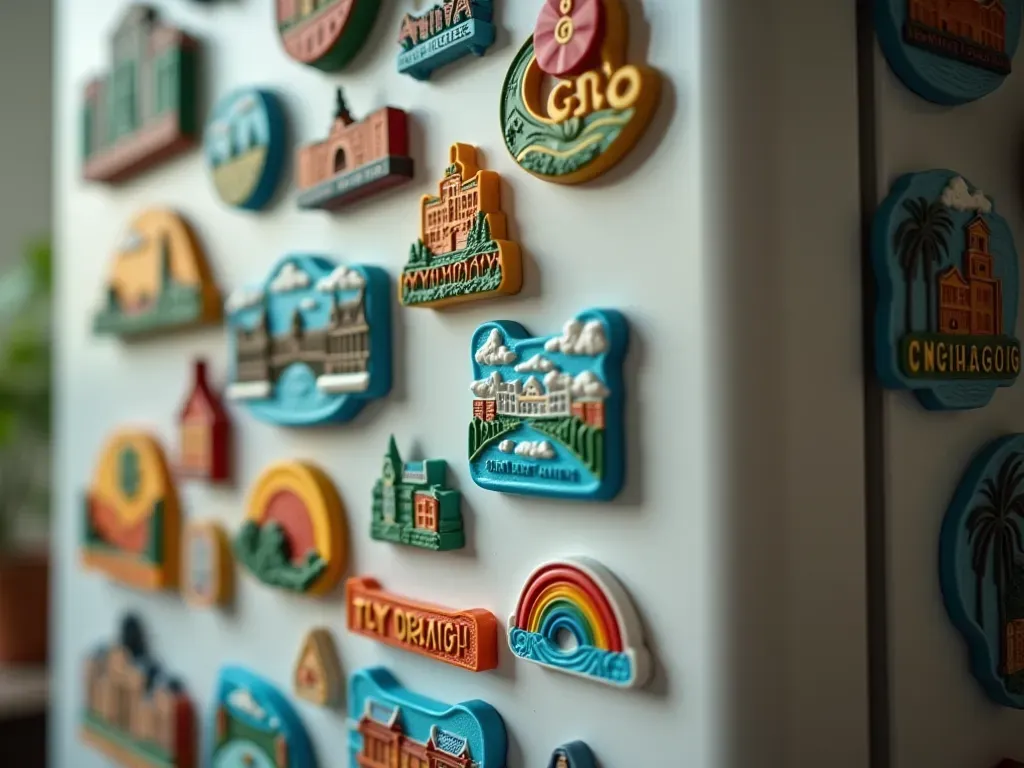
Look at your fridge. Seriously, go look right now. What do you see? A chaotic mosaic of cheap plastic squares from places you visited three years ago but have never thought about since.
I know it feels good in the moment. You bought that magnet because the view behind you was stunning or the ice cream taste was perfect. But here is the harsh truth about traditional souvenirs.
They are dead weight. Once you get home they vanish into a drawer or stick to a surface where nobody looks at them again. We need to stop buying things that just take up space.
This shift matters more than you might think. If we want our travels to mean something long after the flight lands then what we bring home needs to hold real value.
Wear Your Memories Instead of Storing Them Away
Think about that bright silk shirt you bought in a bustling market last summer. Does it sit in your closet gathering dust? Probably not because you wore it.
Clothing is the ultimate functional souvenir. When you wear that item years later it triggers a sensory memory of where you were and how you felt at that exact moment.
It is not just about looking good. It is about keeping the spirit of that place alive on your own body every single day you choose to wear it.
I remember wearing a handmade wool sweater from the mountains for years. Each time I put it on I could smell the pine trees and feel that crisp mountain air again.
And honestly if you pick something unique enough it becomes part of your personal style rather than just a costume piece from a vacation long ago.

Taste Is the Strongest Memory Trigger We Have
Your brain is wired to connect taste directly with emotion and memory. Buying local food items that last long enough to take home gives you a literal connection back.
Forget fresh fruit that will rot in customs. Look for shelf-stable treasures like artisanal honey unique spice blends or specialty coffee beans from the region you visited.
When I brew that special dark roast coffee in my kitchen today it instantly transports me back to the quiet café terrace where I first tried it months earlier.
You can even share these items with friends and family. Giving someone a taste of your trip lets them experience a tiny fragment of what you went through.
Plus supporting local producers by buying directly from them ensures your money goes to the people who actually make those products instead of big corporations.
Jewelry That Tells a Story Without Saying Anything
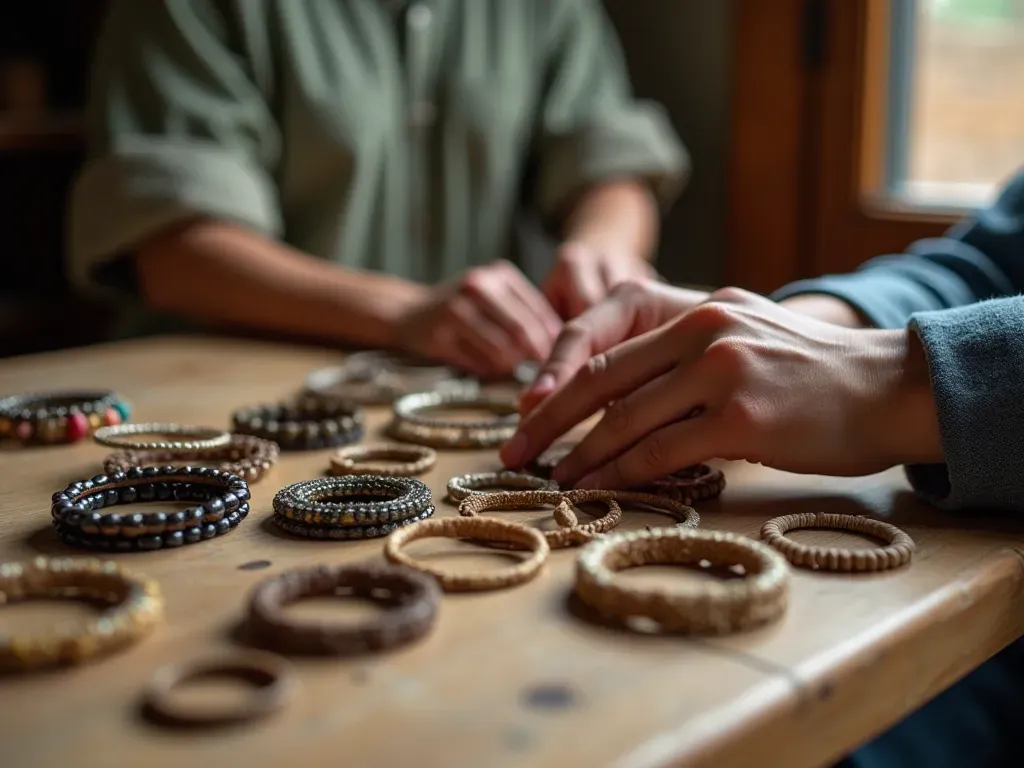
Markets everywhere sell beautiful handmade jewelry. But the key is choosing pieces that resonate with your specific adventure rather than just picking something shiny.
Did you spend days hiking through rocky trails? Maybe a bracelet with natural stones fits perfectly. Were you by the ocean all week then look for shells or sea glass designs.
These items become talismans. You wear them close to your skin and they serve as quiet reminders of the strength or peace you found during that particular journey.
I bought a simple silver ring engraved with local symbols while traveling last year. It sits on my desk now and reminds me to keep exploring even when life gets busy.
The beauty of jewelry is that it does not take up much space in your luggage either. It fits easily into a small box and survives the trip home without getting damaged.
Art Adds Soul to Your Living Space Daily
Bringing back a small painting ceramic bowl or sculpture adds character to your home. It turns an empty wall or shelf into a conversation starter about where you have been.
These pieces often reflect the cultural techniques unique to that specific area. By buying them you help preserve traditional crafts that might otherwise disappear over time.
I have a small clay vase from a village potter that I use every day. Seeing it on my counter reminds me to slow down and appreciate simple handmade beauty.
Just make sure you check import regulations before buying large items. Some materials like certain woods or animal products may be restricted depending on your destination country.
Smaller items are usually safer bets. They fit in checked luggage easily and rarely cause issues at border control while still carrying significant emotional weight.
Postcards Create a Physical Timeline of Your Life
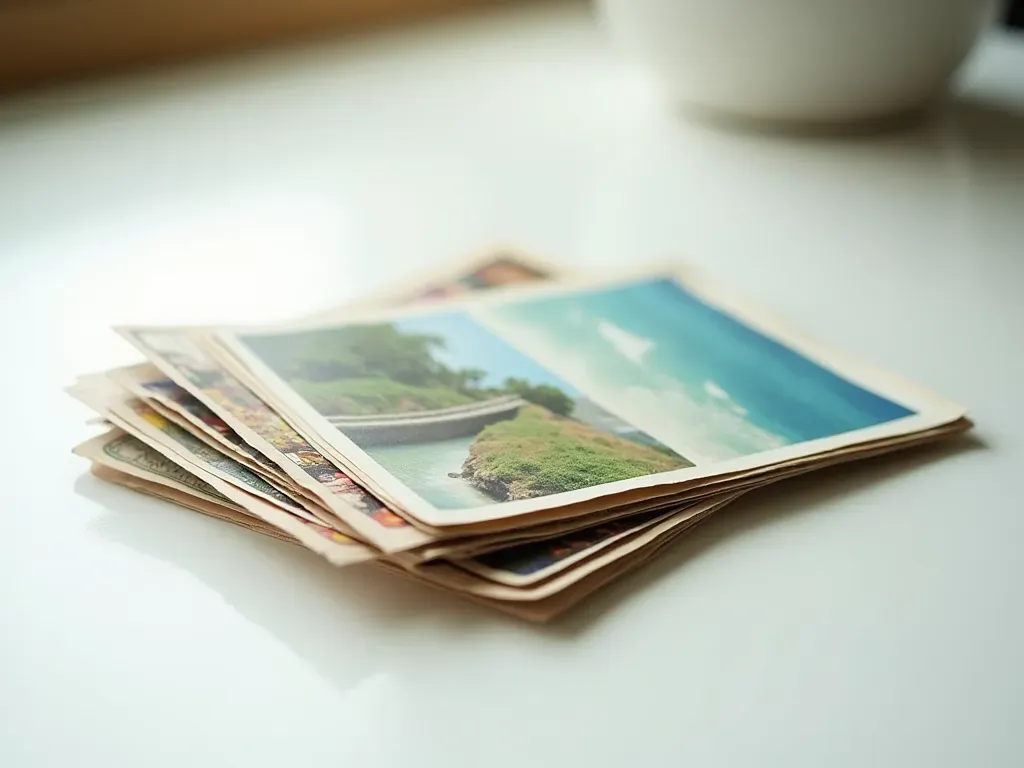
This might sound old-fashioned but hear me out. Writing a note on the back of a postcard and keeping it builds an incredible archive of your adventures over time.
Do not send them away immediately. Keep each card and write down one specific memory associated with that location. Then store them in a dedicated album or box.
Years from now you can flip through these cards and relive moments that digital photos alone cannot capture. The act of writing forces you to reflect deeply on what mattered.
It creates a tangible history. Unlike social media posts that get buried under endless feeds these physical objects stay right there waiting for you to rediscover them.
Plus it costs almost nothing. A few dollars per card adds up to a rich collection without breaking your budget or adding serious weight to your carry-on bag.
Shift How You Remember Your Travels Starting Today
We often focus so much on capturing the perfect photo that we forget to collect meaningful objects. This approach changes how you experience your trip entirely.
Next time you pack consider what will truly enrich your life back home. Will a magnet do that? Probably not but a worn scarf or jar of local honey definitely can.
Let go of the pressure to buy big branded items. The best souvenirs are usually small personal and deeply connected to your own unique experience on that journey.
Start building a collection of things you actually use love and remember. Your future self will thank you when looking back through decades of meaningful keepsakes.
Travel is expensive and time-consuming. Make sure every item you bring back earns its place in your life rather than becoming another piece of forgotten clutter.


Comments ()