The Bizarre 300-Year Lie About Amsterdam Coffeeshops
You walk down a cobblestone street in Amsterdam. You see a green and white sticker in the window. You know exactly what to expect. Cannabis. But here is the thing. The name is a total lie. Or at least, it is a lie from three centuries ago. We keep calling them coffeeshops. But they are actually the ghost of a tax rebellion.
I was struck by how completely we have misread the signage. Back in the early 1700s, coffee was a luxury item in the Netherlands. The government loved it. They taxed it heavily. But the working class wanted their caffeine fix. So they went underground. These early speakeasies served hot coffee illegally. They also served gambling and billiards. They were basically bars for the poor.
Fast forward to the 1970s. The underground vibe didn't disappear. It just changed product. Some of these remaining illicit spots started selling illegal drugs. Cannabis became the new star. The coffee stayed on the menu, but as a side dish. If you really want a good espresso, you need to go somewhere else. Places like FUKU Café or Rub Baba are the real coffee experts. The coffeeshops are just holding onto a name.
Why Your American Dispensary Experience Won't Cut It Here
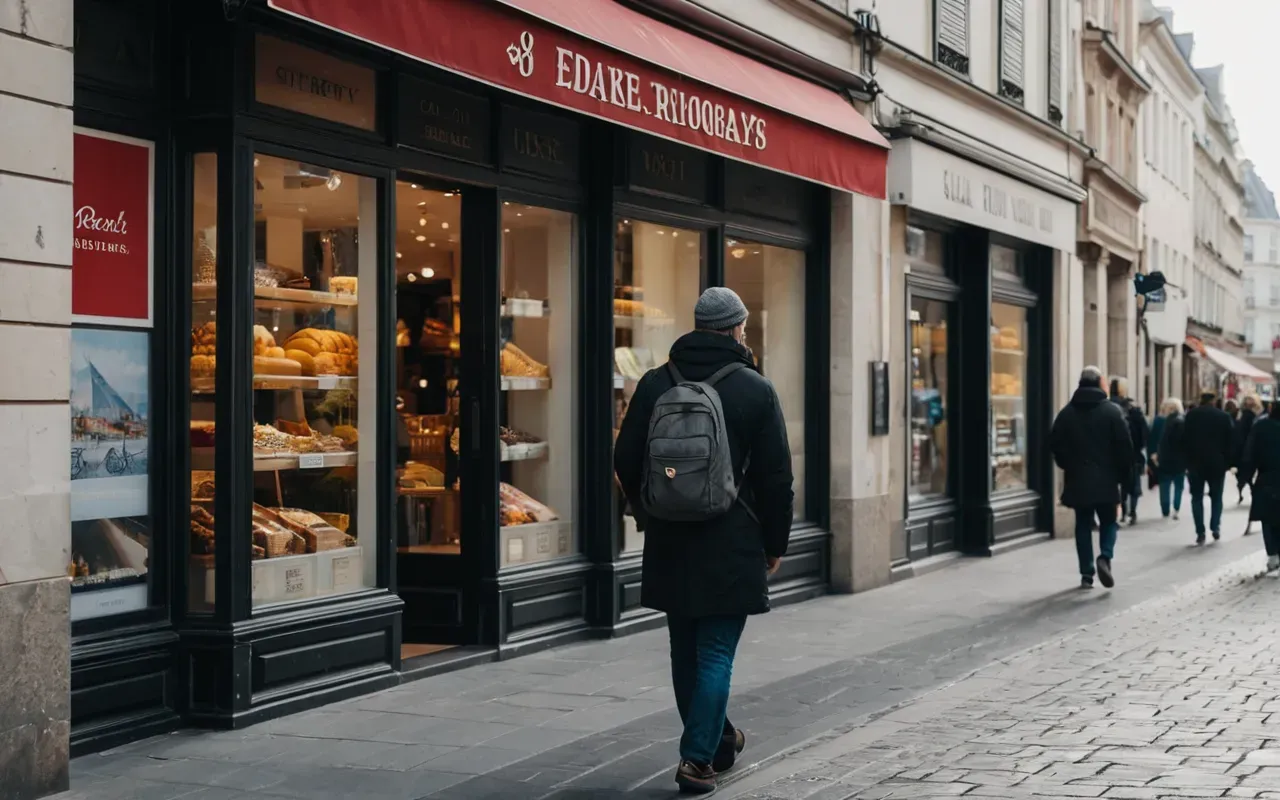
If you are coming from the United States, you might be in for a culture shock. Rick Steves, the famous travel writer, points out a huge difference. In American dispensaries, you buy and leave. In Amsterdam, you buy and stay. Smoking on the premises is not just legal. It is encouraged. Think of it like a pub. You buy your drink. You sit down. You relax.
But do not get too comfortable. The rules are strict. Proprietors are not supposed to offer you the menu unless you ask. Some shops even hide the menu behind a button you have to press. It sounds weird. But it is about compliance. The government tolerates these shops. But they do not want open advertising. You have to be polite. You have to ask.
The Potency Problem Nobody Warns You About
Here is the scary part. The stuff is strong. Really strong. Steves warns that cannabis in Amsterdam is exceptionally potent compared to what American tourists might expect. You do not just buy a joint and walk away. You might accidentally use way more than you should. Tourists are known for getting too high too fast. It is a real risk.
I have seen it happen. You buy what looks like a normal dose. You sit down in the corner. Suddenly, the room is spinning. The friendly vibe turns into panic. So pay attention. Ask the staff. They are used to tourists. They will help you find a strain that works for you. But do not assume it is like the weed back home. It is not.
The Real Reason These Shops Are Still Standing
Why does the government allow this? It is complicated. The tolerance policy is a gray area. Technically, selling cannabis is illegal. But enforcement is lax for small shops. This creates a stable, controlled market. It keeps the streets cleaner than if everything was fully underground. But it is not permanent. The city is changing.
Look at the recent moves. Amsterdam is quietly cutting off cruise ship tourism. They are raising tourist taxes. The city is tired of being a playground. The coffeeshops are part of that problem. Locals want their city back. So the future is uncertain. These historic speakeasies might not last forever. The balance is shifting.
What This Means for Your Next Trip
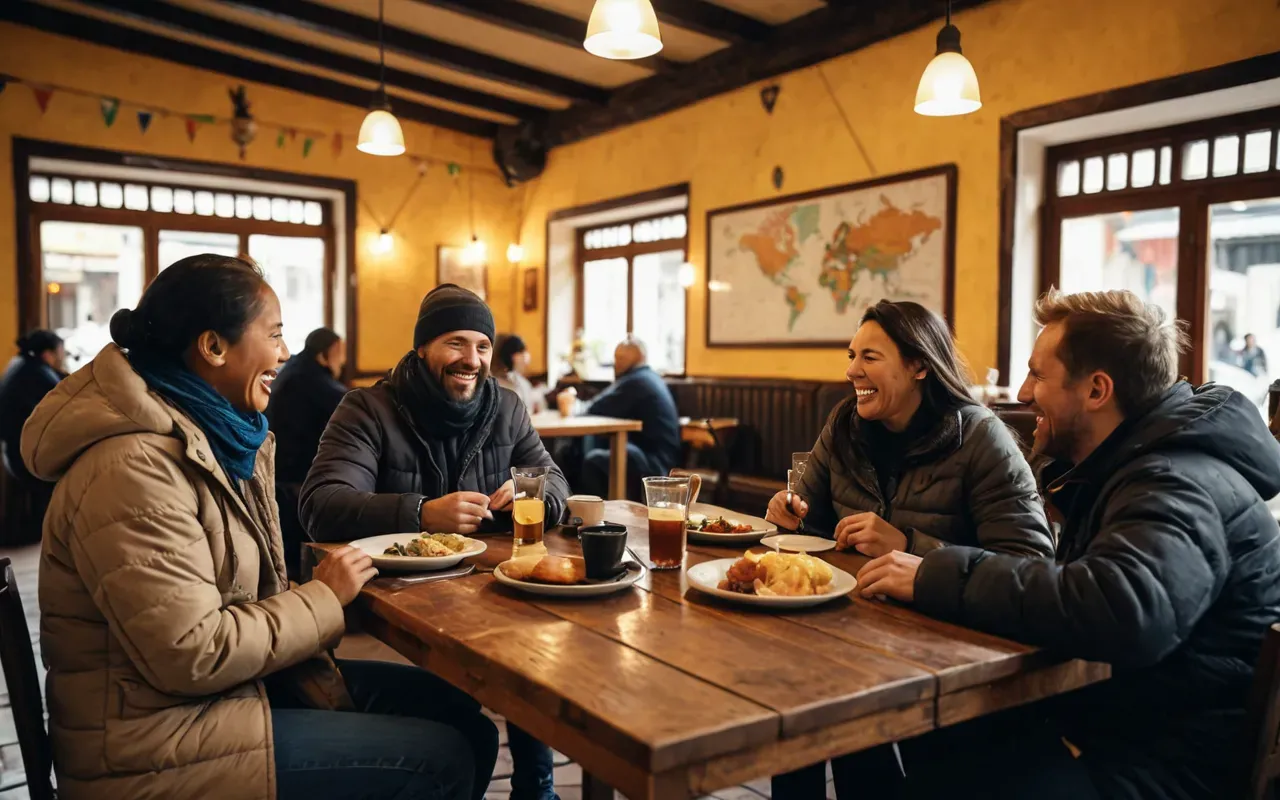
So what do you do? If you just want coffee, skip the green sticker. Go to a real cafe. You will be happier. But if you are curious about the culture, go in. Respect the rules. Ask before you buy. And please, ease into it. The potency is no joke. This is not just a shop. It is a piece of living history.
I think we romanticize these places too much. They are businesses. They have been businesses for 300 years. From illegal coffee to legal-ish weed, the product changes. The vibe stays the same. It is about community. It is about rebellion. Just remember that. You are stepping into a long story. Not just a smoke break.
And if you are planning a longer stay, think about where you sleep. Your accommodation choice matters.
The city is trying to protect itself. Overtourism is a real issue.
So be smart. Be respectful. And enjoy the history. Whether you buy anything or just sip a drink, you are part of a 300-year tradition. That is pretty cool. Just do not get too surprised when the coffee is actually the least interesting thing on the menu.