The Quiet Revolution in Amsterdam's Streets
Walk through Amsterdam right now and you might notice something strange. The usual crowds are thinning out. The canal rings feel quieter. It is not a seasonal lull. Something fundamental is shifting. The city is actively pushing back against the tide of mass tourism. And the implications are far-reaching for anyone planning a trip.
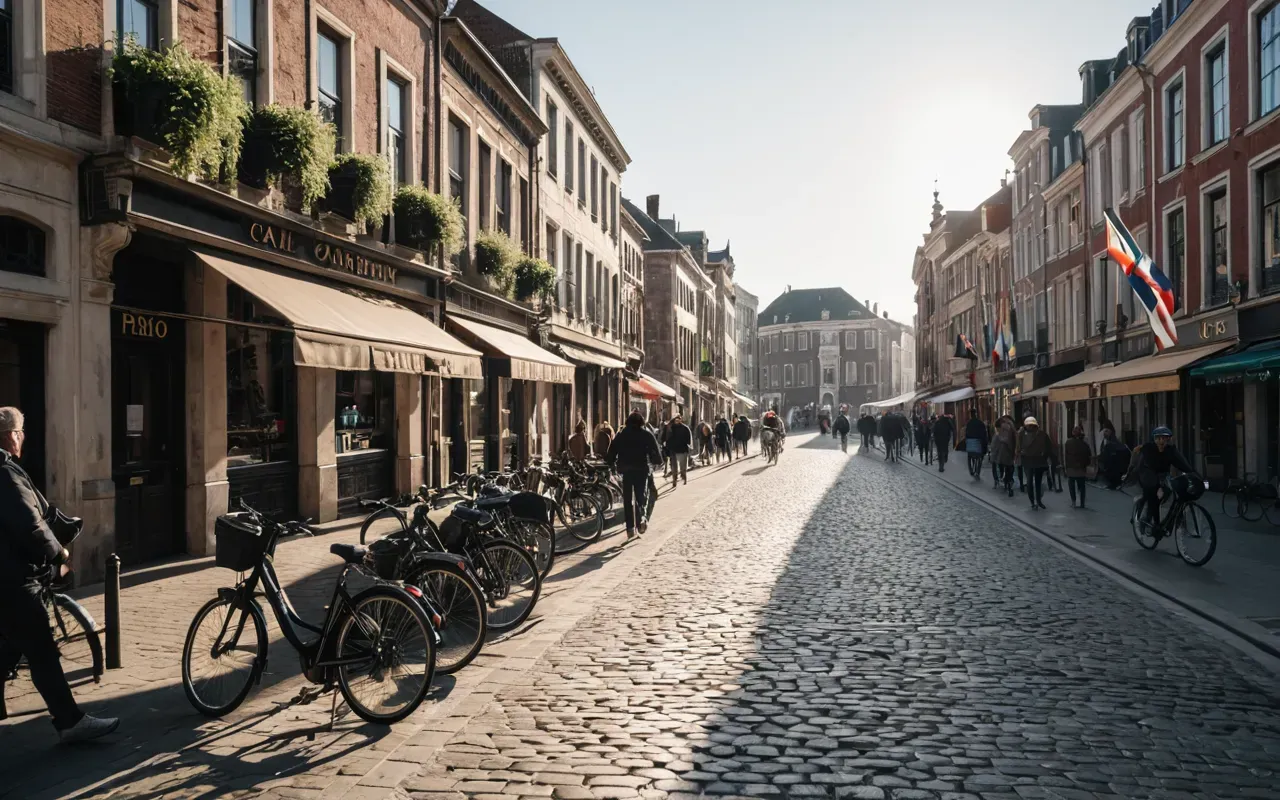
I was struck by how subtle the change feels. There are no barricades. No dramatic protests. Just a slow, steady recalibration of who gets to use the city and when. Locals are regaining ground. Visitors are being gently redirected. The goal is clear. Balance. But the methods are surprising.
Why This Changes More Than People Think
Most travelers assume Amsterdam will always be open for business. They expect the same access, the same prices, the same experience. That assumption is crumbling. The city is implementing a series of measures that prioritize resident well-being over tourist volume. And it is not just talk. Real policies are in place.
Look at the tourist tax. It has risen significantly. Hotels are passing those costs on. Short-term rentals are being restricted. Cruise ships are being banned from the city center. These are not minor tweaks. They are structural changes. And they are designed to make visiting Amsterdam less about convenience and more about responsibility.
But here is the thing. The city is not trying to scare people away. It is trying to filter them. To attract visitors who respect the local culture. Who are willing to pay a fair price. Who understand that a city is not a theme park. And honestly, that is a refreshing shift in an era of overtourism.
The Hidden Winners and Losers in This Shift
So who benefits from this? Locals, obviously. They get quieter streets. Lower housing pressure. More access to public spaces. But there is another winner. The visitor who adapts. The one who embraces the new rules. Who stays longer. Who spends more in local businesses. Who actually connects with the city.
And who loses? The casual tourist. The one who treats Amsterdam as a checkbox. Who wants cheap access and instant gratification. That model is dying. And it should be. Cities are not infinite resources. They are living ecosystems. And they need protection.
What This Means for Your Next Trip
If you are planning a visit, you need to rethink your approach. Budget more. Expect higher prices. Be prepared for restricted access in certain areas. And most importantly, respect the new norms. The city is asking for consideration. And it is willing to enforce it.
But do not see this as a penalty. See it as an invitation. An invitation to travel better. To travel deeper. To experience Amsterdam not as a backdrop for photos, but as a living, breathing community. And if you can do that, you will find the city is more rewarding than ever.
The bottom line is simple. Amsterdam is changing. And it is changing for the better. The question is whether you are willing to change with it. I believe you will. Because the alternative is a city that loses its soul. And nobody wants that.
The Bigger Picture for Global Cities
This is not just an Amsterdam story. It is a blueprint. Other cities are watching. Paris. Barcelona. Venice. They are all facing the same pressures. And they are all considering similar measures. Amsterdam is leading the way. And it is showing the rest of the world how it is done.
The era of unchecked tourism is over. The era of managed, responsible travel is here. And Amsterdam is at the forefront. So if you want to see what the future of urban travel looks like, look no further than this city. It is writing the rules. And the rest of the world is taking notes.
In the end, this is about more than tourism. It is about urban survival. About preserving the character of cities that have become too popular for their own good. And about ensuring that locals can continue to thrive. It is a bold move. And it is a necessary one.