The Hidden Reality Behind Travel Retail
Every traveler has experienced that familiar moment of disappointment when a seemingly authentic souvenir turns out to be mass-produced and overpriced. The reality is that many popular tourist destinations have developed sophisticated retail ecosystems specifically designed to extract maximum value from visitors while offering minimal genuine local value. When you walk down a bustling market street lined with colorful stalls and handcrafted goods, you might feel you are supporting local artisans and preserving cultural traditions. In truth, much of what appears to be traditional craftsmanship is actually imported from distant manufacturing hubs and rebranded as local heritage. The economics of travel shopping create a complex web where genuine local producers struggle to compete with规模化 operations that flood popular destinations with cheap alternatives. Understanding this dynamic requires looking beyond the surface appeal of vibrant marketplaces and recognizing the structural forces that shape what tourists actually purchase during their visits. Many travelers unknowingly contribute to economic patterns that undermine the very communities they hope to support through their purchasing decisions. The disconnect between perceived authenticity and actual origin creates a significant problem for both conscious consumers and local economies that depend on sustainable tourism revenue.
Understanding the Mechanics of Tourist Pricing
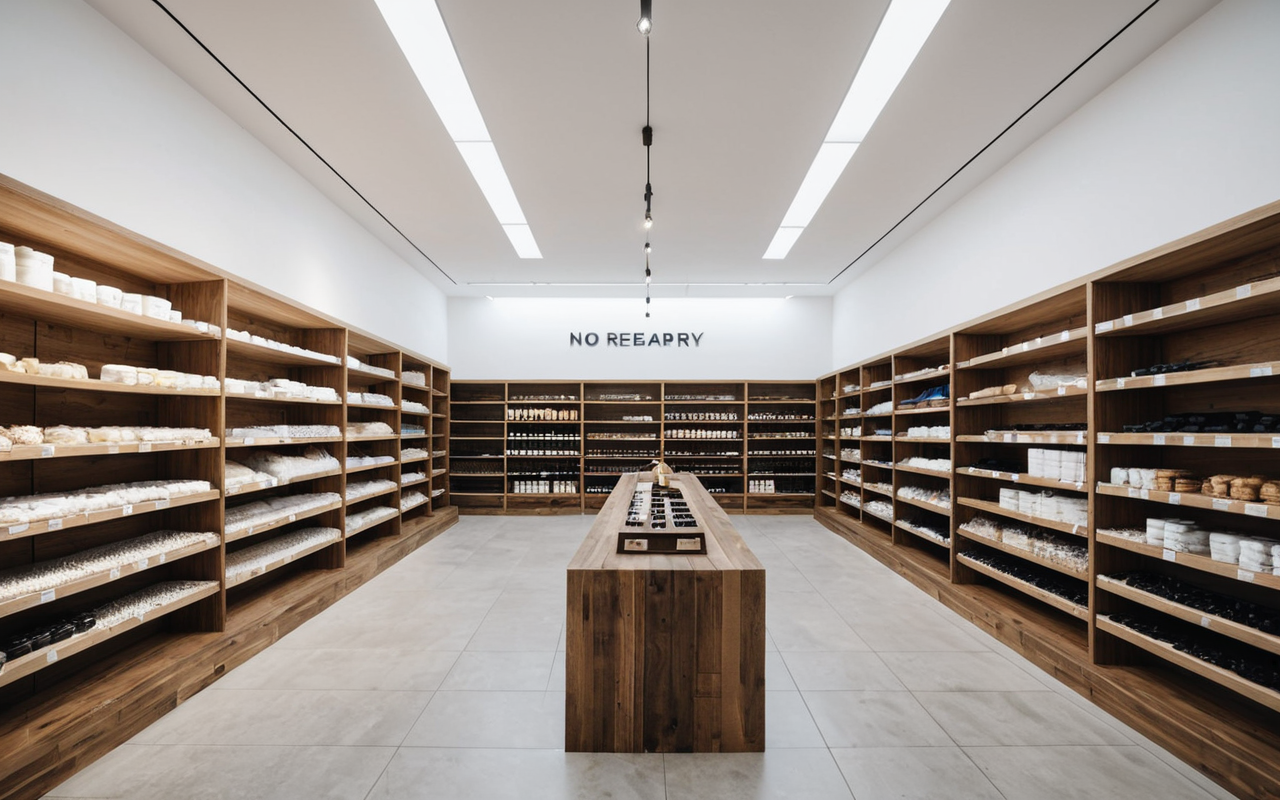
The pricing structure in tourist areas operates on fundamentally different principles than regular retail environments you would encounter in residential neighborhoods. Merchants in high-traffic visitor zones can charge significantly higher prices because travelers rarely have established price benchmarks and often purchase items only once during their stay. This creates a perfect storm where information asymmetry allows sellers to maximize profit margins without fear of repeat customer feedback. The markup on identical items can vary dramatically depending on location, with prices sometimes doubling or tripling within just a few blocks of moving toward the city center. Many visitors assume that paying more guarantees better quality or authentic craftsmanship, but this correlation rarely exists in practice. The premium you pay often reflects the cost of prime retail space in tourist zones rather than superior product quality. Smart travelers recognize that geographic proximity to major attractions correlates directly with inflated pricing across all retail categories. Learning to identify these patterns helps you avoid unnecessary expenses while still finding meaningful items to remember your journey. The key is understanding that distance from tourist centers often correlates with better pricing and more authentic local products.
Identifying Genuine Local Products
Distinguishing between authentic local craftsmanship and mass-produced alternatives requires developing specific observational skills and asking the right questions. Genuine artisanal products typically show signs of individual variation, minor imperfections, and materials that reflect regional availability rather than global supply chains. When you examine a handcrafted item closely, you should notice subtle differences that indicate human involvement in the creation process rather than uniform precision typical of factory production. Materials also tell an important story, as authentic local goods usually incorporate resources that are naturally available in the region rather than imported synthetics. Artisans who work with traditional techniques often can explain the origin of their materials and demonstrate knowledge of cultural significance embedded in their work. Questions about production methods, material sources, and the maker's relationship to the craft can reveal whether you are encountering genuine tradition or commercial imitation. The people behind the products matter as much as the items themselves, as true local artisans typically have deep connections to their communities and can share meaningful stories about their work. Building rapport with makers and understanding their process transforms shopping from a simple transaction into a cultural exchange that supports sustainable local economies.

The Environmental Cost of Mass Tourism Retail
The environmental footprint of conventional tourist shopping extends far beyond the immediate purchase and often contradicts the values of travelers seeking meaningful experiences. Mass-produced souvenirs require extensive transportation networks, energy-intensive manufacturing processes, and packaging materials that contribute to pollution in popular destinations. When you buy items that were manufactured thousands of miles away and shipped specifically for tourist consumption, you inadvertently support supply chains that harm the very environments you traveled to experience. Plastic packaging, chemical dyes, and non-biodegradable materials commonly found in cheap tourist goods accumulate in local waste systems that often lack adequate infrastructure for processing such volumes. The cumulative effect of millions of visitors purchasing disposable items creates significant environmental strain on destinations that host concentrated tourism activity. Sustainable shopping choices prioritize items with minimal environmental impact, including products made from local materials, designed for durability, and packaged using recyclable or biodegradable substances. Conscious consumers can reduce their environmental footprint by choosing fewer, higher-quality items that support local economies while minimizing waste generation. The shift toward sustainable travel practices includes rethinking how we approach souvenir shopping and recognizing that every purchase carries environmental consequences that extend far beyond the checkout counter.
Strategies for Conscious Travel Shopping
Developing effective strategies for responsible shopping requires preparation, patience, and a willingness to step outside conventional tourist zones. Researching local markets before visiting helps identify areas where genuine artisans operate and where authentic products can be found at fair prices. Timing your visits to avoid peak tourist hours often leads to better interactions with sellers and opportunities to learn more about the items they offer. Building relationships with local shop owners and artisans creates mutual benefits that extend beyond individual transactions, as they appreciate customers who show genuine interest in their work and cultural heritage. Bargaining respectfully when appropriate demonstrates understanding of local customs while ensuring fair compensation for quality craftsmanship. Keeping detailed records of purchases, including receipts and information about the makers, helps verify authenticity and provides valuable documentation for future reference. Prioritizing experiences over material possessions often leads to more meaningful travel memories while reducing the environmental and economic impact of conventional souvenir shopping. The most valuable mementos frequently come from unexpected encounters, shared meals, or participation in local traditions rather than purchased items. Shifting focus from accumulation to appreciation transforms how we engage with destinations and creates lasting connections that transcend material transactions.
The Economic Impact on Local Communities
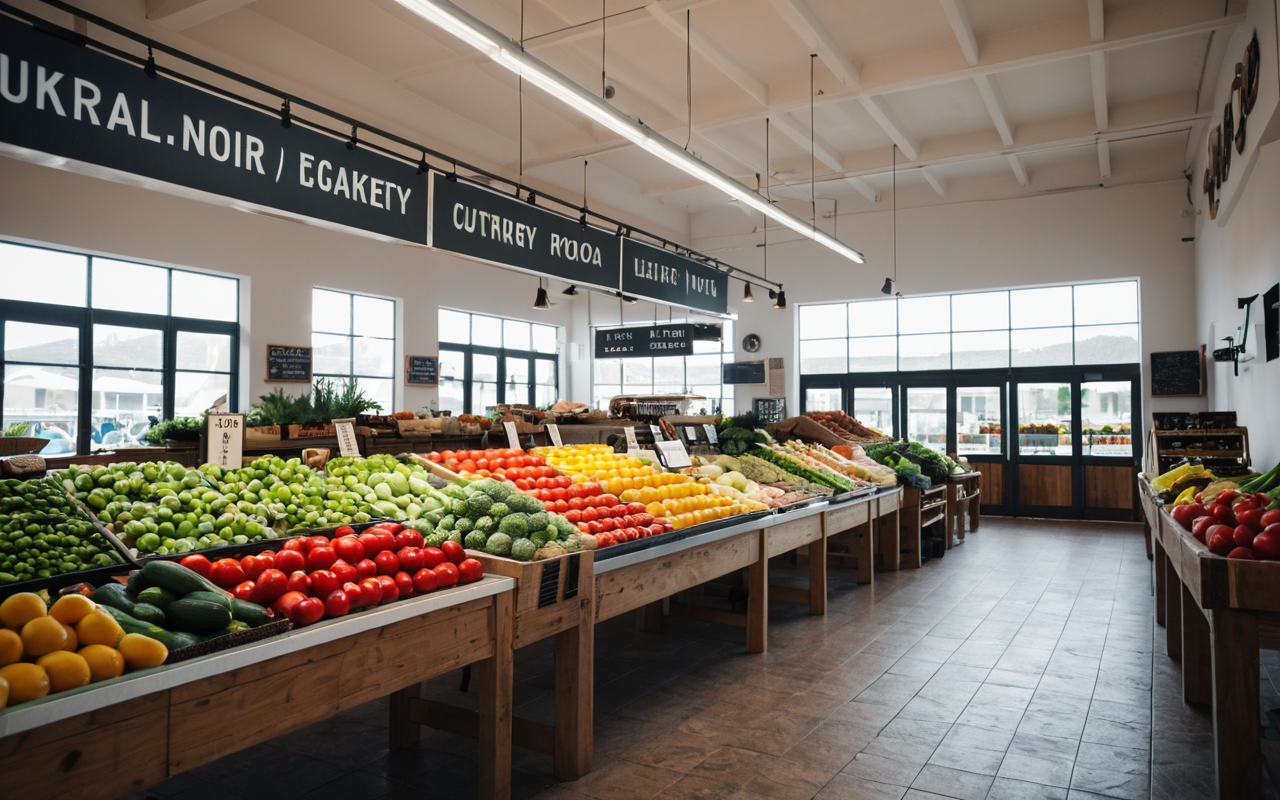
The economic consequences of conventional tourist shopping patterns often undermine the very communities that depend on visitor revenue for their livelihoods. When profits from souvenir sales flow to external corporations or large-scale distributors rather than local artisans, the intended economic benefits of tourism fail to reach their target recipients. This phenomenon creates a paradox where increased visitor numbers do not translate into improved living standards for residents who host travelers in their communities. Local producers struggle to compete with imported goods that benefit from economies of scale and established distribution networks, pushing traditional craftspeople out of viable markets. The displacement of authentic local businesses by mass-market alternatives gradually erodes cultural heritage and diminishes the unique character that initially attracted visitors to the destination. Supporting community-based enterprises ensures that tourism revenue circulates within local economies, creating employment opportunities and funding public services that benefit residents. Travelers who prioritize purchases from locally owned shops and directly from artisans contribute to sustainable economic development that preserves cultural traditions while improving quality of life. The ripple effects of conscious consumer choices extend far beyond individual transactions, shaping the long-term viability of destinations as places worth visiting and living in.
Future Trends in Responsible Travel Retail
Emerging trends in travel shopping reflect growing awareness among consumers about the social and environmental implications of their purchasing decisions. Digital platforms increasingly provide transparency about product origins, manufacturing practices, and the social impact of consumer choices, empowering travelers to make more informed decisions. Certification programs that verify ethical production standards, fair labor practices, and environmental sustainability help consumers identify genuinely responsible options in crowded markets. Local governments and tourism boards are developing initiatives that promote authentic cultural experiences while protecting communities from the negative effects of mass tourism retail. Educational programs for travelers emphasize the importance of supporting local economies and understanding the cultural significance of traditional crafts and products. The evolution of responsible travel retail represents a positive shift toward more equitable relationships between visitors and host communities, where economic benefits flow directly to those who preserve cultural heritage. As awareness grows, destinations that prioritize sustainable tourism practices will attract travelers who value authenticity and ethical consumption. The future of travel shopping lies in creating systems that honor cultural traditions, support local livelihoods, and minimize environmental impact while providing meaningful experiences for visitors.
Frequently Asked Questions
Look for items showing individual variation, regional materials, and maker knowledge about cultural significance. Ask detailed questions about production methods and material sources. Genuine artisans typically demonstrate deep community connections and can explain the story behind their work.
Tourist areas charge premium prices because visitors lack price benchmarks and rarely return. Prime retail locations near attractions command higher rents, which merchants pass to customers. The markup reflects location costs rather than product quality.
Mass-produced souvenirs require energy-intensive manufacturing, long-distance shipping, and non-biodegradable packaging. These items accumulate in waste systems lacking adequate processing infrastructure, creating pollution in destinations visited for their natural beauty.
Visit local markets early morning or late afternoon to avoid peak tourist crowds. These times offer better seller interactions and opportunities to learn about products. Weekday visits typically provide more authentic experiences than weekend rush periods.
Yes, when purchases go directly to local artisans and community-owned businesses. Supporting authentic producers ensures tourism revenue circulates locally, funding services and preserving cultural traditions. Research businesses before buying to verify local ownership.