The Hidden Cost of Cheap Souvenirs
We have all been there. Standing in a bustling market square, the air thick with the scent of street food and the hum of a thousand conversations. A vendor holds out a hand-painted ceramic plate, a silk scarf, or a wooden carving, promising it is an authentic treasure from the region. The price is surprisingly low, too low to resist. We buy it, snap a photo for social media, and feel a sense of accomplishment for finding a genuine local item. But what if that purchase is not a win for the local economy at all? What if it is actually a direct contribution to the very problems plaguing modern destinations? Recent studies in tourism economics reveal that a significant portion of tourist spending on cheap goods does not reach local artisans or small businesses. Instead, it flows back to international corporations or local monopolies that mass-produce generic items, often imported from distant factories. This cycle undermines the cultural authenticity that travelers seek and accelerates the degradation of local communities. When we prioritize the lowest price without considering the source, we inadvertently support a system that exploits local resources and labor. The real cost of that cheap souvenir is not just monetary. It is the erosion of traditional crafts, the displacement of local vendors, and the homogenization of the places we travel to see. Understanding this dynamic is the first step toward making more meaningful and responsible purchasing decisions. Our wallets hold more power than we realize, and every transaction is a vote for the kind of travel ecosystem we want to support.
The Myth of the Local Experience
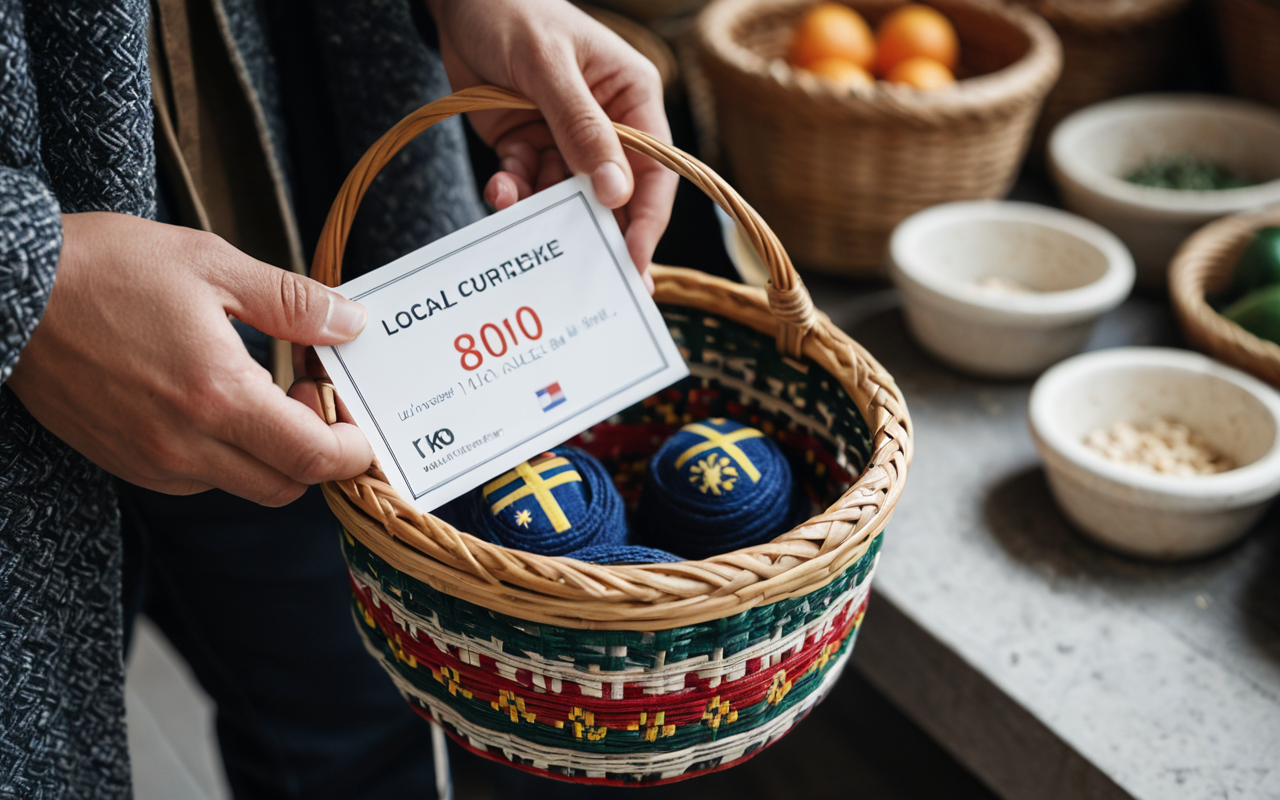
There is a pervasive belief among travelers that buying goods in a destination is an inherently authentic and beneficial act. We tell ourselves that by shopping locally, we are keeping money within the community and supporting the people who live there. While this sounds noble on paper, the reality is far more complex and often misleading. Many items sold as local crafts are actually imported from overseas, produced using unsustainable materials, or manufactured by underpaid workers in sweatshops. The term made locally has become a marketing buzzword rather than a verifiable standard. To truly support the local economy, we need to look beyond the label and investigate the supply chain. This means asking questions about where materials come from, who made the item, and how much they were paid. It means recognizing that a higher price often reflects fair wages, sustainable practices, and genuine craftsmanship. It is not about spending more money, but about spending it wisely. By choosing quality over quantity, we help preserve traditional skills and encourage a market that values human labor and cultural heritage. This shift in perspective challenges the convenience-driven habits of modern tourism and invites us to engage more deeply with the places we visit. It transforms shopping from a transactional afterthought into a meaningful interaction with the local community.

How to Spot Genuine Artisan Products
Navigating the marketplace as a discerning buyer requires a keen eye and a willingness to dig deeper. One of the most reliable indicators of a genuine artisan product is its uniqueness. Mass-produced items tend to be identical, with perfect symmetry and uniform finishes that are rarely achievable by hand. Look for subtle variations, slight imperfections, and distinct character marks that signal human involvement. Another key factor is the story behind the item. Authentic artisans are usually proud of their work and eager to share the techniques, materials, and cultural significance of their creations. They can explain why a certain dye is used or how a pattern has been passed down through generations. If a vendor cannot provide any context or seems reluctant to discuss the origins of the goods, it is often a red flag. Additionally, consider the materials used. Sustainable and locally sourced materials are a strong sign of responsible production. Avoid items made from endangered species, cheap plastics, or imported fabrics that have no connection to the region. By prioritizing transparency and craftsmanship, we can ensure that our purchases truly benefit the people and places we visit. This approach not only enhances the shopping experience but also fosters a deeper connection to the culture and history of the destination.

The Ripple Effect of Conscious Spending
Every purchase we make sends a message to the market. When we choose to buy from local artisans and sustainable businesses, we create a ripple effect that extends far beyond the individual transaction. It encourages other vendors to adopt similar practices, knowing that consumers are willing to pay for quality and ethics. It helps preserve traditional crafts that might otherwise disappear in the face of industrialization. It also contributes to the preservation of cultural heritage and the maintenance of local identity. In contrast, supporting cheap, mass-produced goods fuels a cycle of exploitation and environmental degradation. It pressures local businesses to lower their standards to compete, ultimately degrading the quality of the local economy. Conscious spending is not just about individual choices, but about collective impact. By aligning our values with our purchasing habits, we can drive positive change in the tourism industry. This requires education, awareness, and a willingness to challenge the status quo. It means being willing to pay a fair price for goods that reflect the true cost of production. It means recognizing that our role as travelers extends beyond sightseeing and includes responsible engagement with the local economy. The shift towards ethical tourism is not just a trend, but a necessary evolution in how we interact with the world.

Practical Tips for the Ethical Shopper
Implementing ethical shopping practices does not have to be complicated or expensive. Start by researching destinations before you go. Look for certified fair-trade shops, cooperative stores, and businesses that explicitly state their commitment to sustainability and local employment. When you are on the ground, take the time to explore beyond the main tourist areas. Small shops and local markets are often better sources of authentic goods than large souvenir stores. Engage with vendors and ask questions about their products. This not only helps you make informed decisions but also builds a connection with the seller. Be open to bargaining, but do so respectfully and fairly. Remember that the price you pay directly impacts the livelihood of the artisan. Finally, consider the longevity and utility of the items you buy. Choosing durable, functional goods reduces waste and ensures that your purchase has lasting value. By adopting these simple strategies, you can enjoy the thrill of shopping while ensuring that your choices contribute positively to the communities you visit. It is a small step that can make a significant difference in the broader landscape of tourism.

Redefining the Travel Souvenir
The concept of a souvenir has evolved significantly in recent years. Gone are the days of generic keychains and mass-produced magnets that gather dust in a drawer. Today, travelers are seeking items that tell a story, reflect a culture, and have a positive impact. A souvenir should be a tangible reminder of an experience, a conversation, or a connection made during a journey. It should embody the spirit of the place and serve as a bridge between the traveler and the local community. By redefining what we value as souvenirs, we shift the focus from accumulation to appreciation. We move away from disposable items and towards meaningful keepsakes that hold emotional and cultural weight. This shift is not just a personal preference but a broader movement towards more mindful and respectful travel. It challenges the industry to offer products that are not only beautiful but also ethical and sustainable. It invites us to consider the long-term effects of our consumption habits and to make choices that align with our values. In doing so, we transform the act of shopping from a mere transaction into a meaningful part of the travel experience. The true souvenir is not just the object itself, but the knowledge and connection it represents.
The Future of Responsible Retail in Tourism
As awareness of the impacts of tourism grows, so does the demand for responsible retail practices. Businesses are beginning to recognize that ethical sourcing and fair labor practices are not just moral imperatives but also competitive advantages. Travelers are increasingly informed and discerning, willing to pay a premium for products that align with their values. This shift is driving innovation in the industry, from transparent supply chains to community-based tourism initiatives. It is also encouraging governments and local organizations to support small businesses and preserve cultural heritage. The future of tourism retail lies in a collaborative approach that prioritizes sustainability, equity, and authenticity. It requires a willingness to challenge existing norms and embrace new models of engagement. By supporting businesses that prioritize these principles, we can help create a travel industry that is not only economically viable but also socially and environmentally responsible. This is not just a vision for the future, but a call to action for every traveler and business operator. The choices we make today will shape the destinations we visit tomorrow. Let us choose wisely, spend consciously, and travel with purpose.
Look for unique imperfections, ask vendors about the production process, and check for local materials. Genuine artisan items often have slight variations and a clear story behind them. Avoid perfectly uniform goods that indicate mass production.
Cheap souvenirs often fund mass-produced imports or unfair labor practices. Money spent on these items rarely reaches local artisans, undermining traditional crafts and displacing small businesses that rely on fair wages.
Seek transparency in sourcing, fair wages for artisans, and sustainable materials. Look for certifications like fair-trade or cooperative labels. Engage with sellers to learn about the cultural significance and production methods.
It supports local economies, preserves cultural heritage, and encourages sustainable practices. Conscious spending drives market demand for ethical goods, helping to protect communities from the negative effects of mass tourism.