Unveiling Amsterdam's Rich Cultural Canvas and Its Impact on Tourism
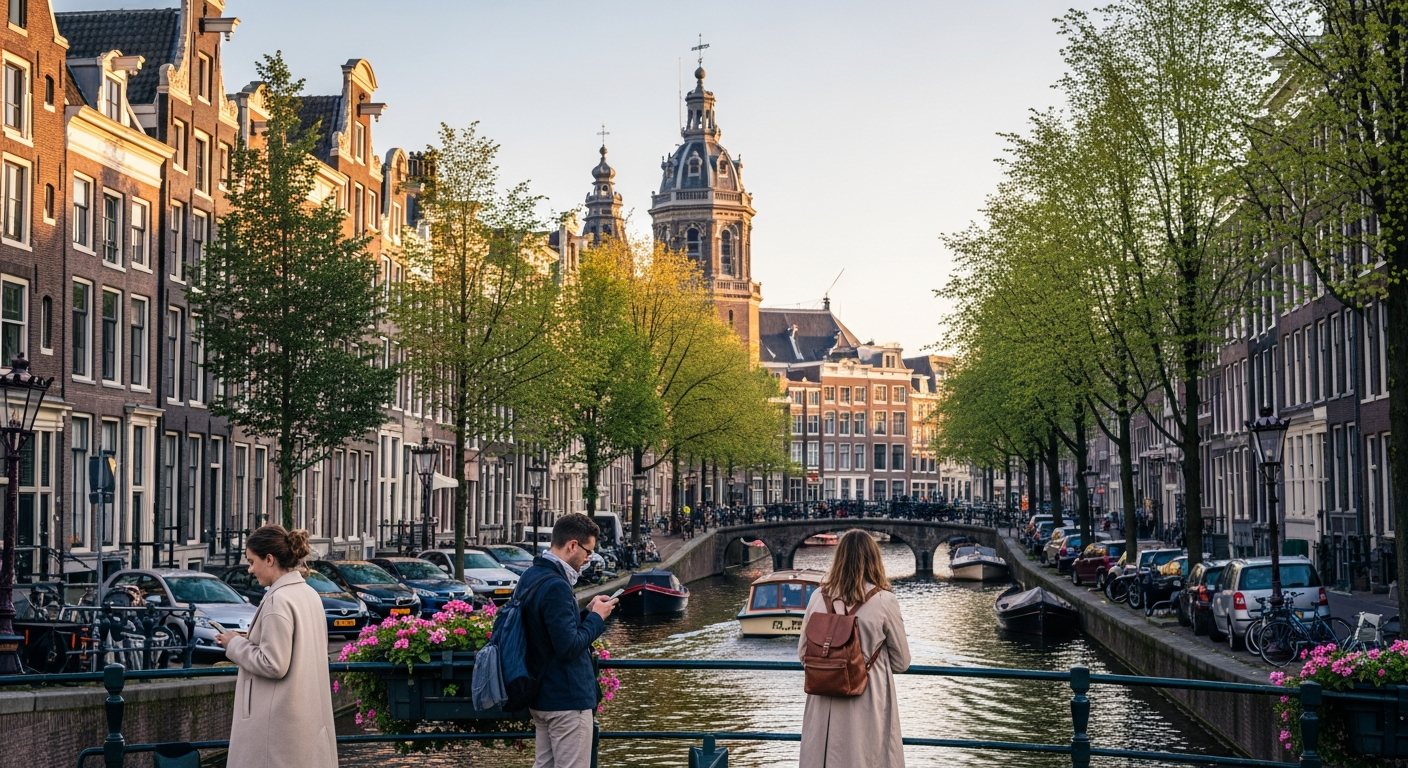
Amsterdam stands as a testament to centuries of artistic, historical, and social evolution, making its tourism sector a vibrant tapestry that attracts millions annually. From world-renowned museums like the Rijksmuseum and Van Gogh Museum to the bustling streets filled with historic architecture and modern art installations, the city uniquely blends tradition with contemporary innovation. Visitors can immerse themselves in Dutch history through carefully curated exhibitions, or stroll through vibrant neighborhoods such as Jordaan and De Pijp, where local galleries, cafes, and artisanal shops offer authentic experiences. This cultural richness also fuels the city’s festivals and events, like King’s Day and Pride Parade, which draw crowds eager to partake in its lively celebrations. When planning to explore Amsterdam’s cultural scene, tourists are encouraged to venture beyond the well-trodden paths and discover lesser-known venues and local art spaces, ensuring a more meaningful connection with the city’s artistic soul. This cultural allure not only enhances tourism but also sustains Amsterdam’s reputation as a hub for creativity and innovation, solidifying its status as a must-visit destination for global travelers.
Exploring the Hidden Corners and Unique Neighborhoods of the City
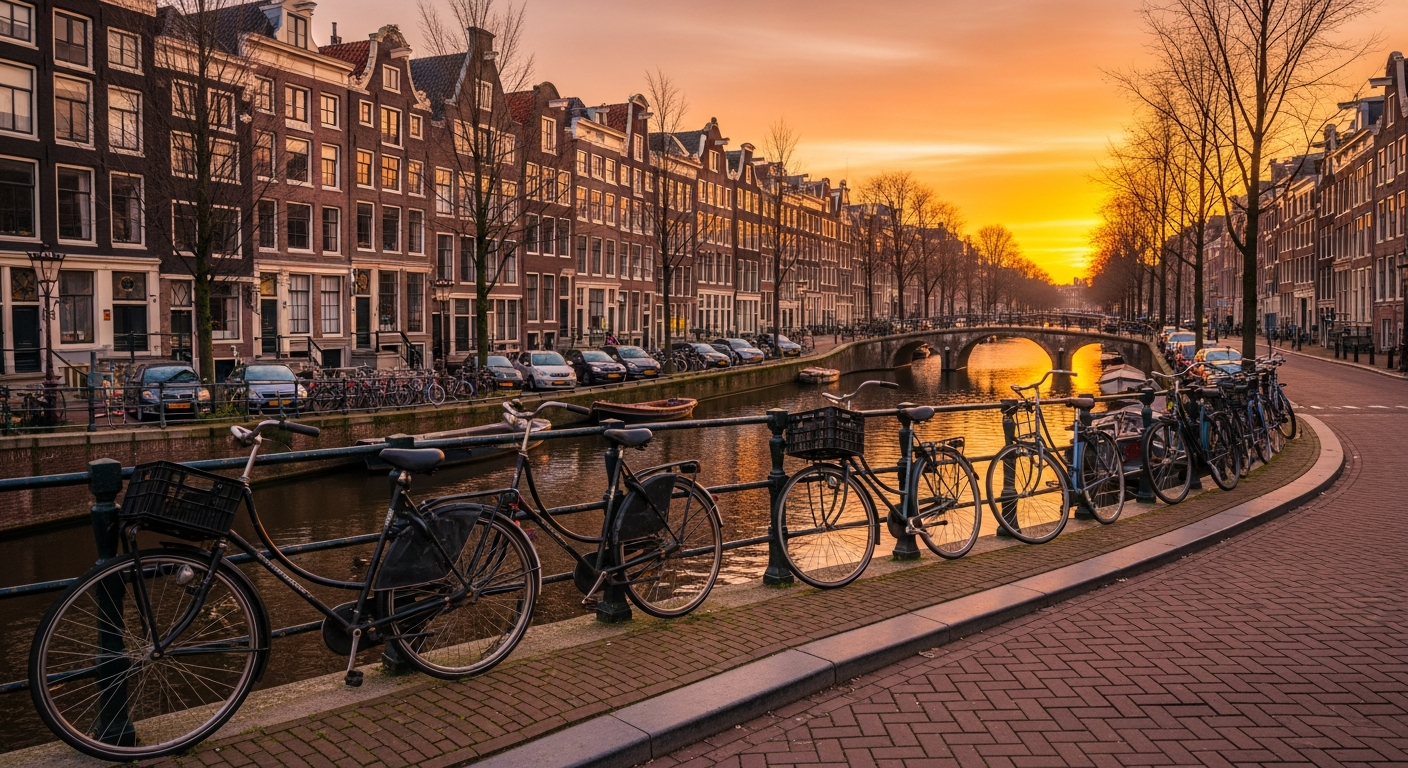
While iconic sites like the Anne Frank House and the Royal Palace draw enormous crowds, Amsterdam’s true charm often lies in its lesser-known neighborhoods and secret spots that remain off the typical tourist radar. Neighborhoods such as Noord and Oost offer a refreshingly local vibe with innovative cuisine, street art, and eclectic markets. Wandering through these areas, visitors can discover quaint courtyards, vintage boutiques, and riverside parks that provide a quiet retreat from the lively city core. Tours emphasizing sustainable and community-focused tourism often highlight these hidden gems, encouraging travelers to engage with local residents and artisans. These lesser-explored districts also host vibrant street festivals and seasonal markets that offer authentic Dutch flavors and crafts. For those seeking a more personalized experience, guided tours and local workshops provide insights into Amsterdam’s diverse cultural influences, historical layers, and contemporary innovations. Embracing these hidden corners not only enriches a visitor’s journey but also supports sustainable tourism practices that help preserve the city’s unique character.
Pioneering Sustainable and Responsible Tourism in Amsterdam
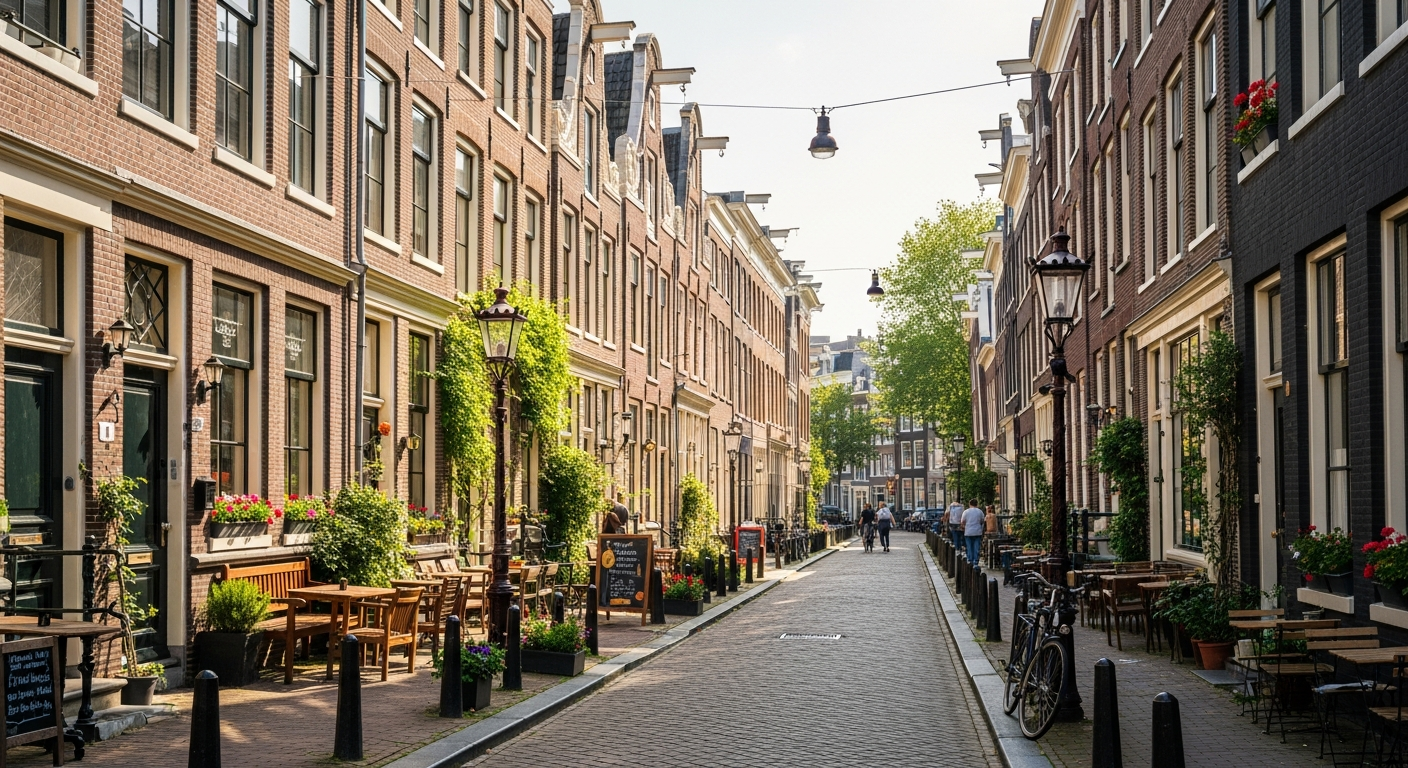
As one of Europe's most popular tourist destinations, Amsterdam faces the ongoing challenge of managing overtourism while maintaining its environmental and cultural integrity. The city’s commitment to sustainable tourism is evident in initiatives promoting eco-friendly transportation, such as extensive bike-sharing programs and electric ferries, which significantly reduce urban pollution. Additionally, many museums and attractions now emphasize eco-conscious operations, incorporating green energy solutions and waste reduction strategies. For travelers, choosing eco-certified accommodations and participating in community-led tours are ways to contribute positively to the city’s sustainability goals. The city also encourages visitors to explore less-visited areas, thereby dispersing the tourist load more evenly and preserving Amsterdam’s local neighborhoods. While the rise of sustainable tourism introduces new opportunities and responsibilities for both visitors and operators, it also serves as a blueprint for other global cities seeking to balance economic growth with environmental preservation. Ultimately, responsible tourism in Amsterdam fosters a respectful relationship between tourists, residents, and the environment, helping ensure that this captivating city remains vibrant and livable for generations to come.

Practical Tips for Navigating Amsterdam and Enhancing Your Visit
Navigating the intricacies of Amsterdam requires some local knowledge and planning to maximize your experience. First and foremost, investing in an OV-chipkaart or city travel pass allows unlimited access to trains, trams, buses, and metro systems, making it easier to explore both the city center and the outskirts efficiently. Being mindful of peak tourist hours and visiting popular sites early in the morning or later in the evening help avoid crowds and provide a more intimate viewing experience. For dining, exploring local markets like Albert Cuyp or Noordermarkt offers authentic Dutch and international cuisine at reasonable prices while supporting small vendors. For accommodation, opting for boutique hotels or eco-conscious hostels in quieter neighborhoods ensures comfort without contributing to pressure on major tourist hotspots. Finally, walking or renting bicycles remains the most sustainable way to experience Amsterdam’s scenic streets and iconic canals—nothing beats the sense of freedom cycling along the water. Travelers should also consider downloading helpful apps, such as city guides and transportation maps, to stay informed and navigate seamlessly. Following these practical tips not only enriches the journey but also aligns with the city’s efforts to promote responsible tourism, ensuring a memorable and conscientious visit.