Understanding the Significance of Shopping Tourism in Modern Travel
Shopping tourism has emerged as a vital component of the modern travel experience, blending leisure with commerce in an exciting way that appeals to a diverse range of travelers. Unlike traditional sightseeing, shopping tourism offers travelers the opportunity to explore vibrant markets, luxury boutiques, and local artisan shops, each providing a unique window into the city’s culture and economic vitality. Whether it's buying exclusive designer items, local crafts, or souvenirs, shopping contributes significantly to the local economy and enhances the overall travel experience. Many cities worldwide are now recognizing the importance of developing specialized shopping districts and retail-focused attractions that cater not only to tourists but also to local residents, creating a symbiotic environment that benefits everyone involved. From Paris to Tokyo, shopping districts serve as cultural hotspots where history, contemporary fashion, and local traditions converge, offering tourists an immersive experience that extends beyond simply purchasing goods. Knowing the importance of shopping tourism can help travelers plan their itineraries better, mark their shopping must-visit locations, and make informed choices about where to indulge in retail therapy during their travels.

Navigating the Top Shopping Areas and Districts Around the World
When it comes to shopping tourism, knowing where to go is crucial for maximizing your retail experience. Different cities boast iconic shopping districts renowned for their unique offerings, ambiance, and shopping culture. For instance, in New York City, areas like Fifth Avenue and SoHo are legendary for their high-end boutiques, flagship stores, and trendy concept shops. Similarly, in London, Oxford Street and Covent Garden offer an extensive range of international brands, artisan markets, and local designer showcases that cater to diverse preferences. In Asia, Tokyo’s Ginza district stands out with luxury brands and high-tech gadgets, while areas like Hong Kong’s Causeway Bay provide a vast spectrum of shopping options from luxury to bargain finds. Planning your shopping route in advance can save you time and enhance your experience; many travel guides and apps offer interactive maps and reviews to help visitors navigate these bustling districts. Keep in mind that each district has its own rules, peak hours, and shopping etiquette—researching these beforehand makes for a smoother and more enjoyable retail adventure. Whether you prefer luxury brands, vintage shops, or local craftsmanship, understanding the key shopping hubs in your destination will significantly elevate your shopping tourism journey and ensure you make the most of your time and budget during your city exploration.
Tips for Making Smart Purchases and Enhancing Your Shopping Experience While Traveling
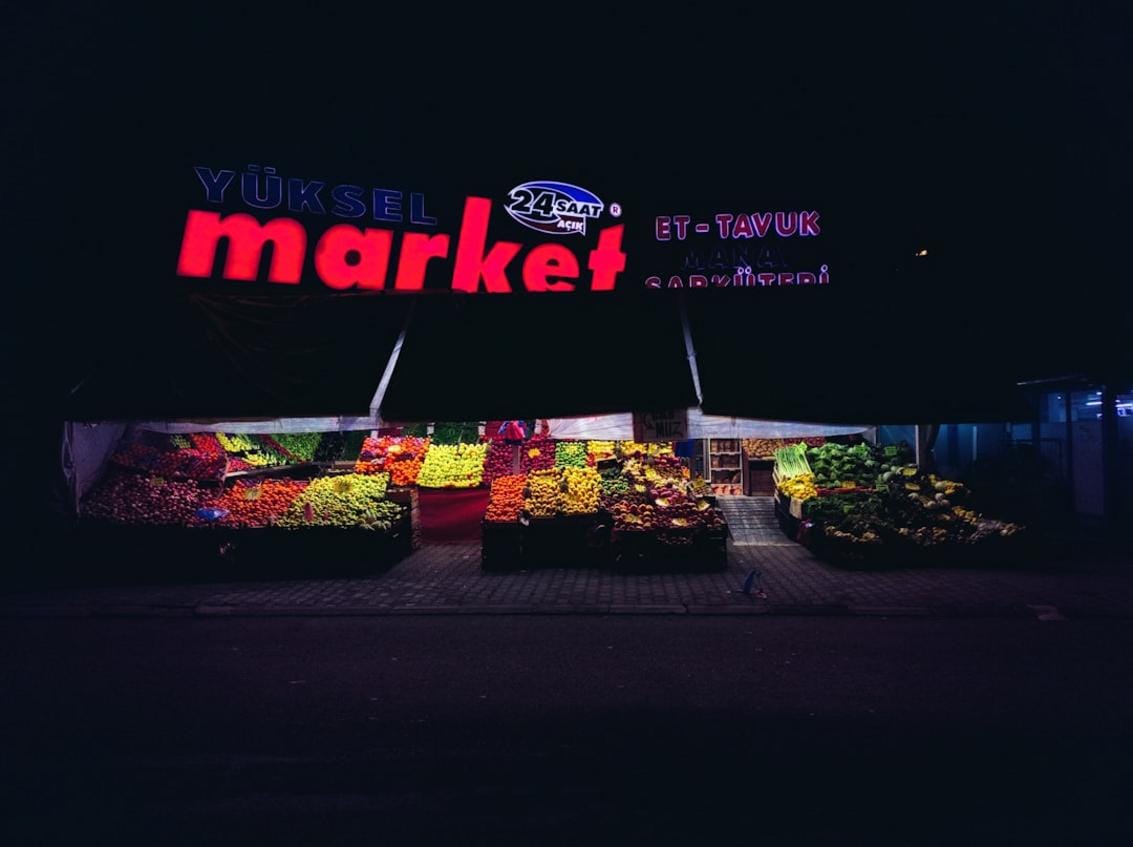
Traveling for shopping can be both exciting and overwhelming if not approached with a strategic mindset. To ensure that your retail therapy yields the best results, it’s important to equip yourself with some essential shopping tips. Start by doing research on the local market prices and product authenticity—reading reviews and consulting local shoppers can help you spot genuine items and avoid overpriced or counterfeit goods. Setting a budget before hitting the shops prevents impulsive purchases, which are common in vibrant shopping environments. Use local currency and familiarize yourself with currency exchange rates to make accurate calculations. Don’t forget to explore local markets and artisan shops where unique, handcrafted items are often more affordable and authentic than mass-produced souvenirs. Additionally, bargaining is an accepted practice in many cultures and can significantly reduce costs—politeness and respect during negotiations often lead to better deals. Keeping your travel documents safe and understanding import restrictions also ensures a smooth process when bringing your shopping haul home. Equipped with these tips, travelers can enjoy a rewarding shopping experience that balances quality, authenticity, and value, leaving them with memorable souvenirs and perhaps some treasures they wouldn’t have found otherwise.