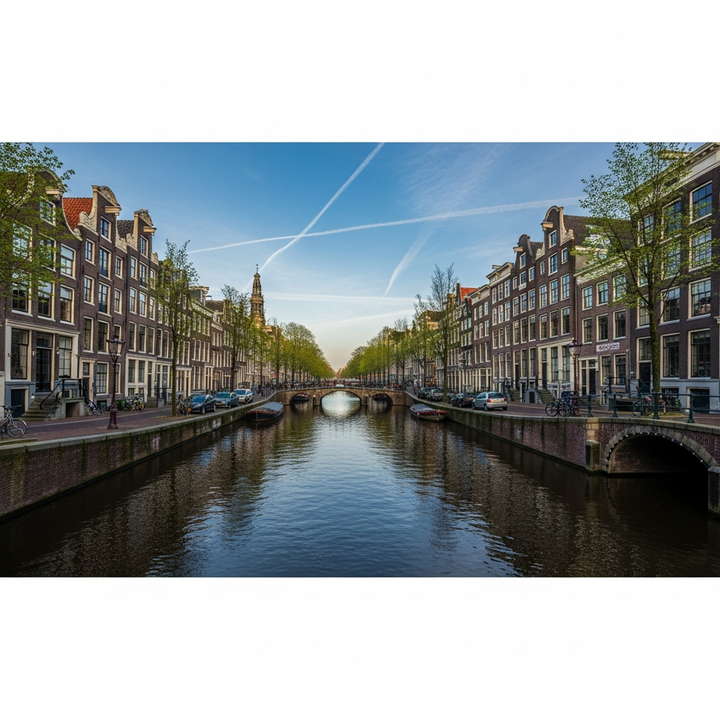
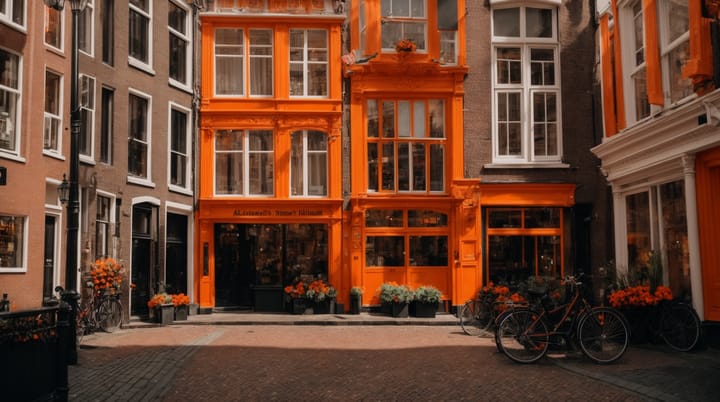
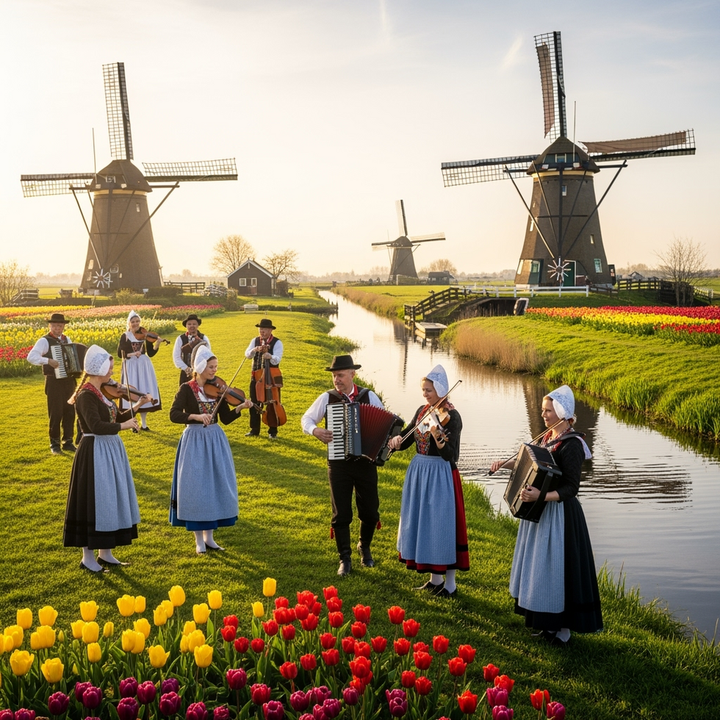
The Colors and Contours of Dutch Traditional Festivals
Unraveling the Spirits of Dutch Festivities
The Netherlands, with its rich historical tapestry and vibrant cultural landscape, hosts an array of traditional festivals that offer a glimpse into the Dutch way of life. From the world-famous Tulip Festival in spring to the enchanting Sinterklaas festivities in winter, each event is steeped in history and tradition. These festivals not only serve as a means for communal celebration but also play a vital role in preserving the unique Dutch heritage. Each festivity, with its distinct customs, dances, and music, helps to foster a sense of community and continuity among the Dutch people.
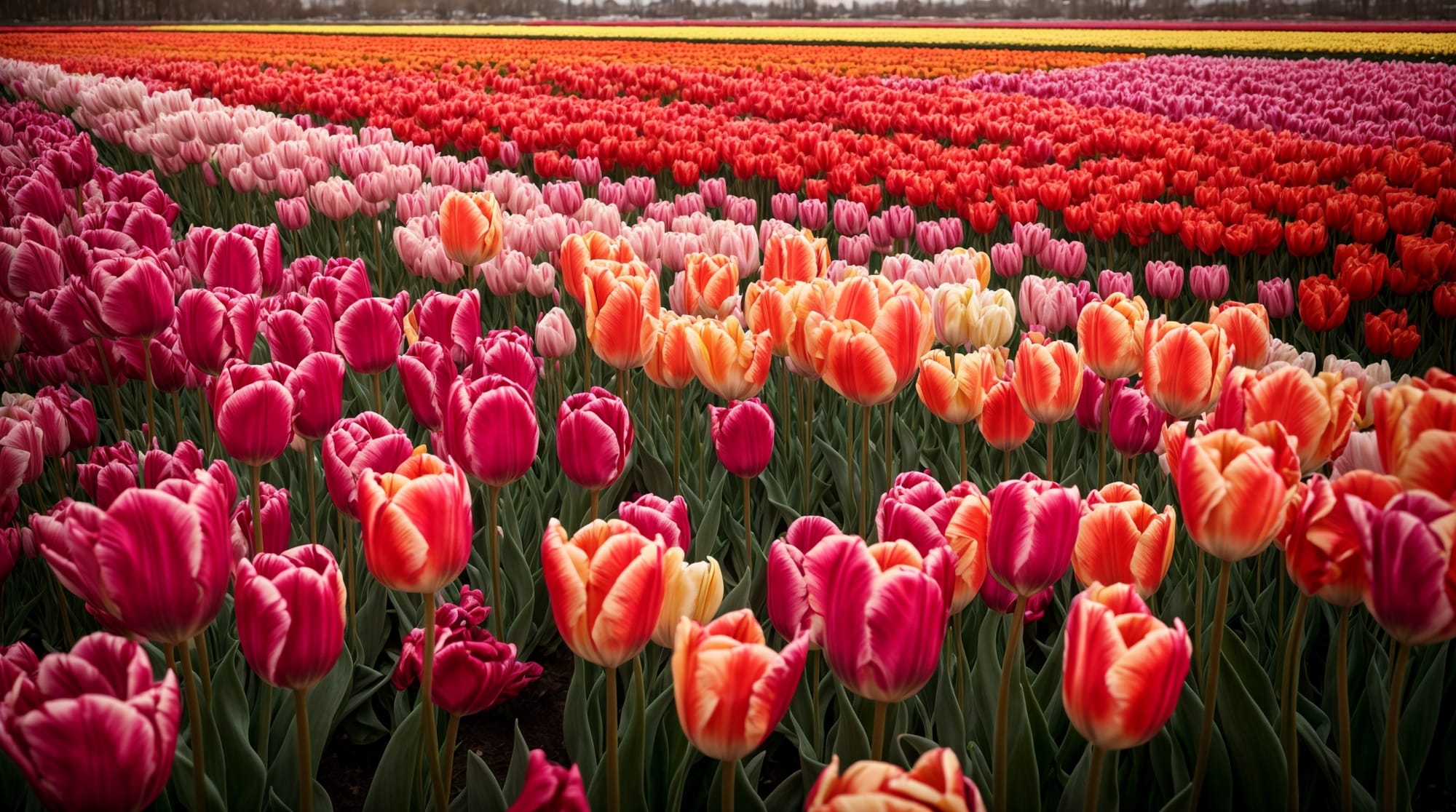
Spring's Spectacle: The Tulip Festival
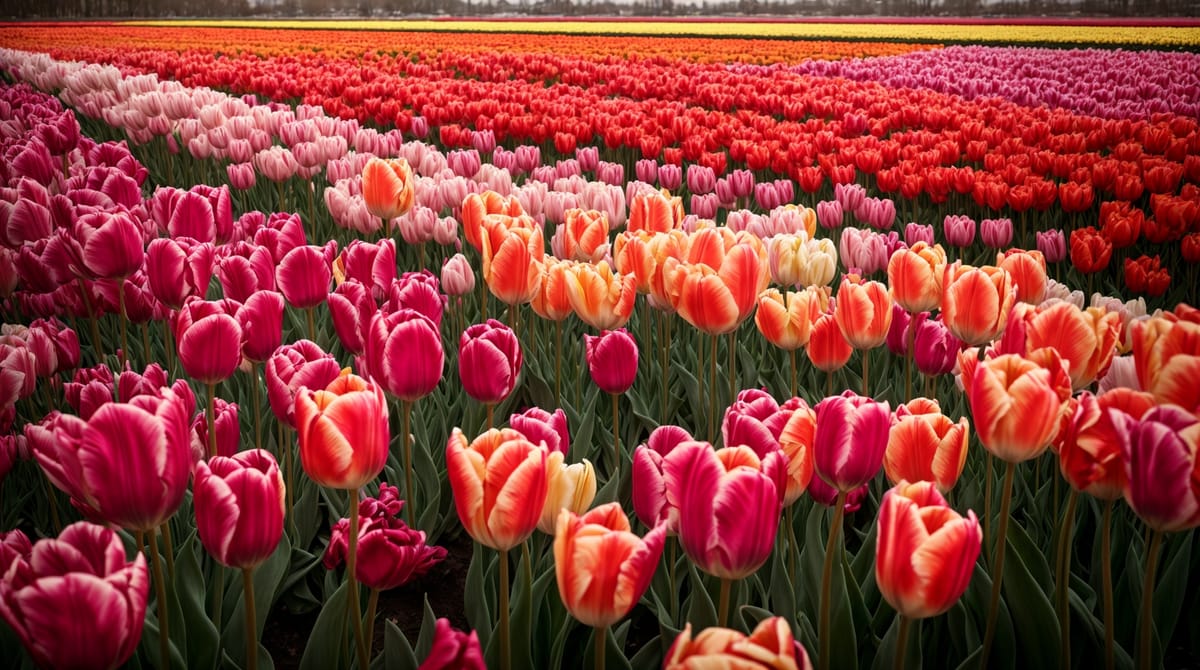
Every year, the Tulip Festival marks the arrival of spring in the Netherlands, turning landscapes into a vibrant palette of colors. It's not just a showcase of beauty; it is a period of national pride and an economically significant time for the Dutch floral industry. This festival originates from the historical tulip mania and has evolved into a much-anticipated event that attracts thousands from around the globe. The festival offers a perfect opportunity for photographers, nature lovers, and cultural enthusiasts to engage with Dutch culture at its most colorful.
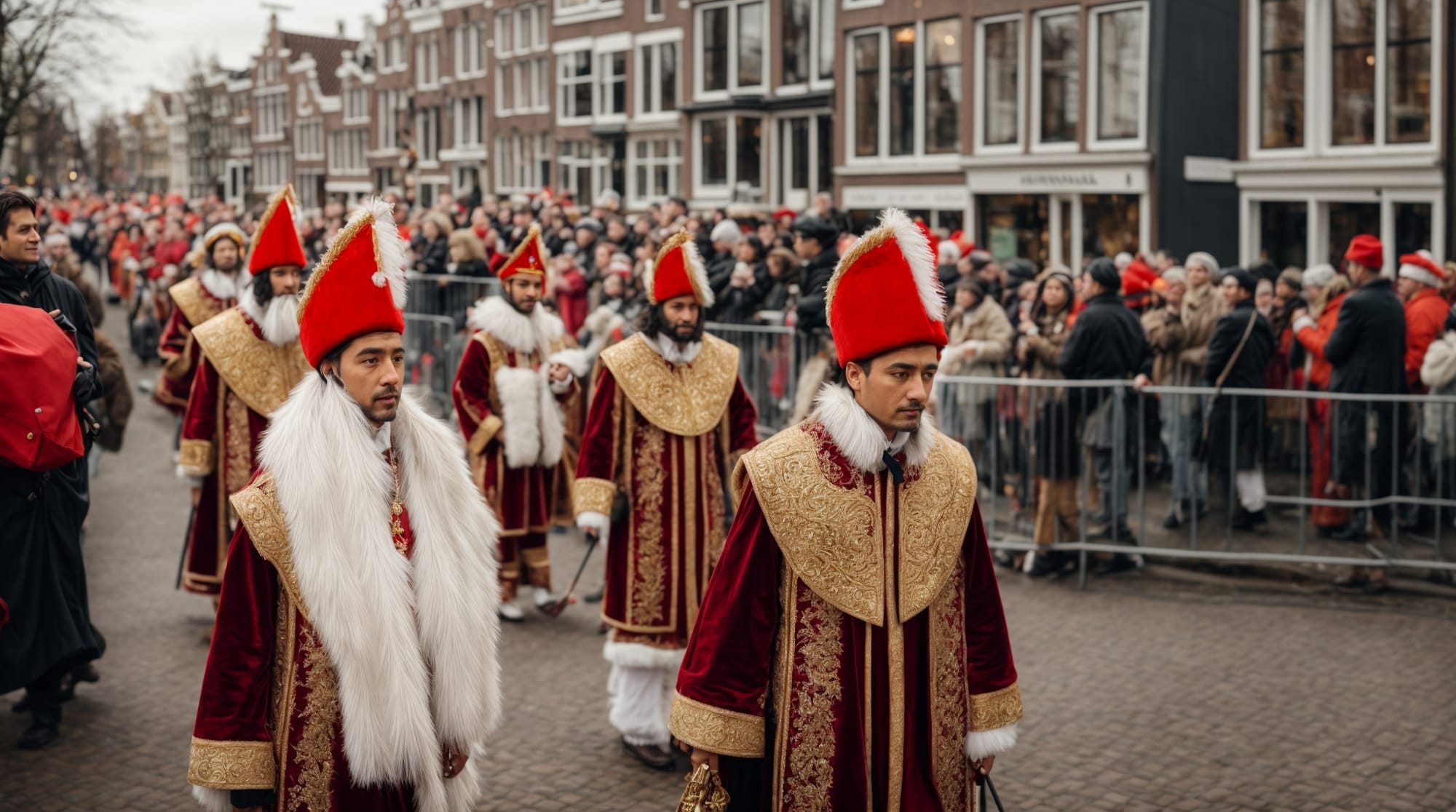
Winter's Warmth: Sinterklaas Celebration
Sinterklaas, or Saint Nicholas Day, is another cornerstone of Dutch festival culture, deeply embedded within the winter season's festivities. Unlike the commercialized Santa Claus, Sinterklaas retains religious and cultural significance, blending myth and tradition into a festivity filled with joy and excitement for all ages. The celebration includes parades, gift-giving, and special songs and sweets, which make it a cherished time for family gatherings and community joy. It’s a festival that not only delights but also reinforces the values of generosity and togetherness among the Dutch.
Embracing the Dutch Cultural Identity Through Festivals
The significance of these festivals extends beyond mere celebration; they are a vibrant part of the Dutch cultural identity, reflecting the enduring spirit and communal values of the Netherlands. By participating in or observing these festive traditions, both locals and tourists gain an invaluable insight into the Dutch psyche and societal values. Each festival, with its unique blend of history, art, and communal festivity, invites everyone into a deeper understanding of what it means to be Dutch.