The Rich Tapestry of Dutch Cultural Heritage and Its Global Appeal
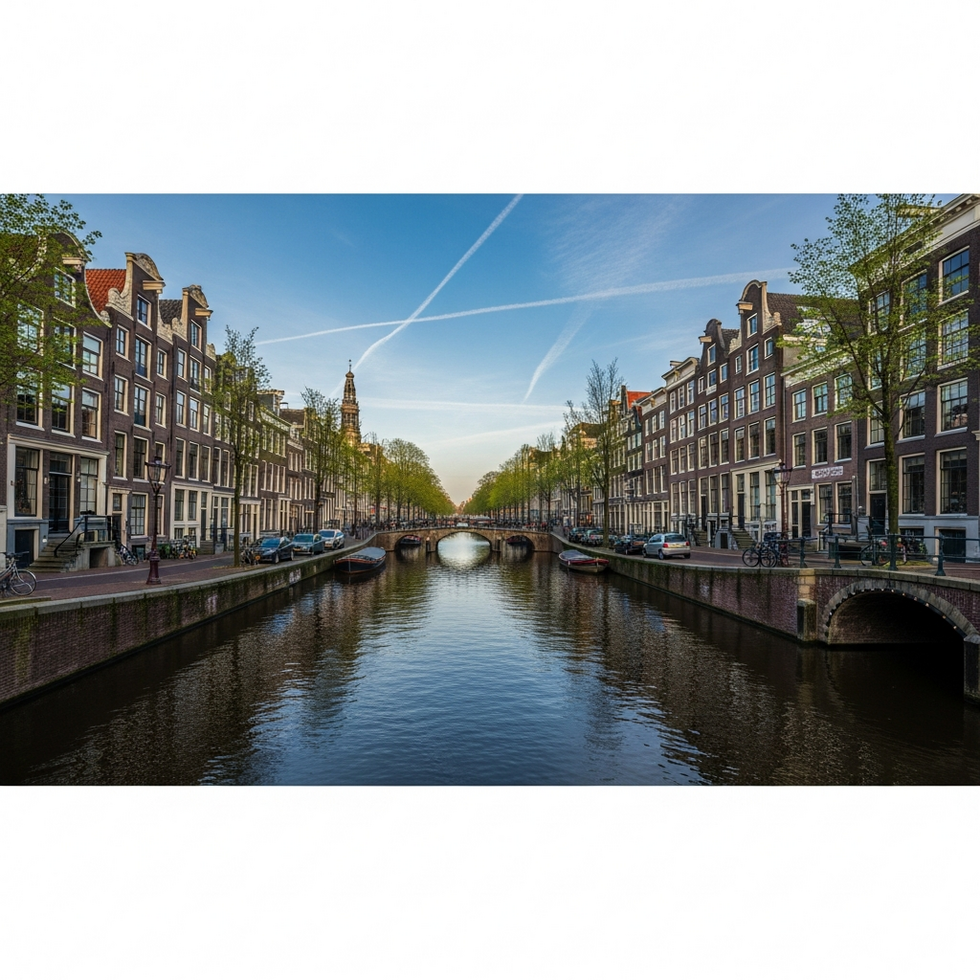
Windmills stand tall beside quiet canals in Amsterdam, symbols of a past that still breathes. Paintings by Rembrandt and Vermeer hang in every museum, drawing visitors like water to a low spot. Festivals spark through spring, colorful parades winding past old stone buildings. Innovators shape modern life here, blending tradition with fresh ideas quietly. Tourists arrive daily, walking streets where stories older than today's news linger. Culture hums beneath everyday life - visible in speech, food, gesture - not shouted but felt. Strolling past ancient town walls, pedaling across poppy-red tulip plots, or simply watching daily routines unfold - many leave as fans, returning each season without fail. Because of this draw, revenue rises while awareness grows about the nation’s quiet shaping of world culture in painting, invention, and fairness, standing strong among travel destinations everywhere.
Artistic Legacy and Its Role in Promoting Dutch Tourism
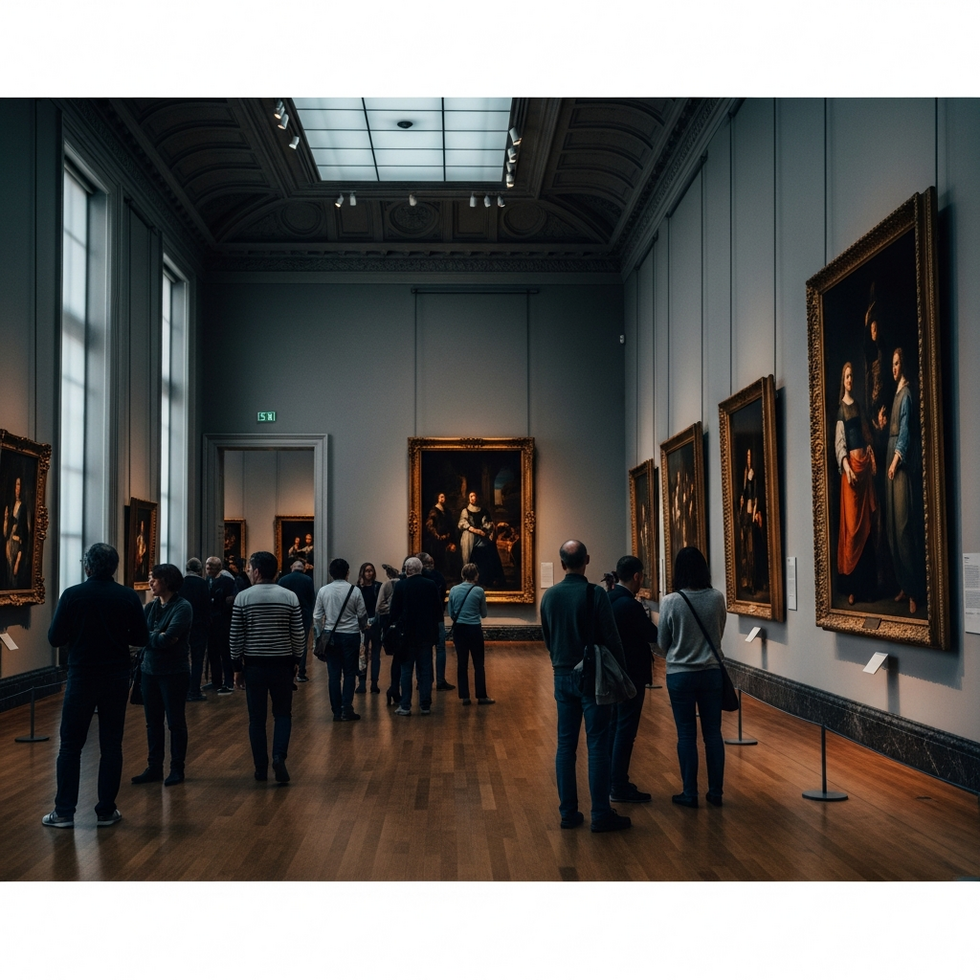
Paintings from the Dutch era still draw crowds like few other things do. Instead of just hanging in galleries, they live inside places like the Rijksmuseum - where visitors slow their breath to take it all in. One spot after another opens doors: not only museums but also moments where people step into stories behind famous brushes and colors. What began as quiet studios now echoes across continents without loud announcements. People often plan trips around these famous cultural sites, drawn by what they reveal about the nation’s long history of innovative art. Meanwhile, living painters from the Netherlands still shape how artists everywhere think and talk, holding a place of importance in today’s visual landscape - a factor that quietly boosts interest among travelers.
Traditions and Festivals That Celebrate Dutch Identity
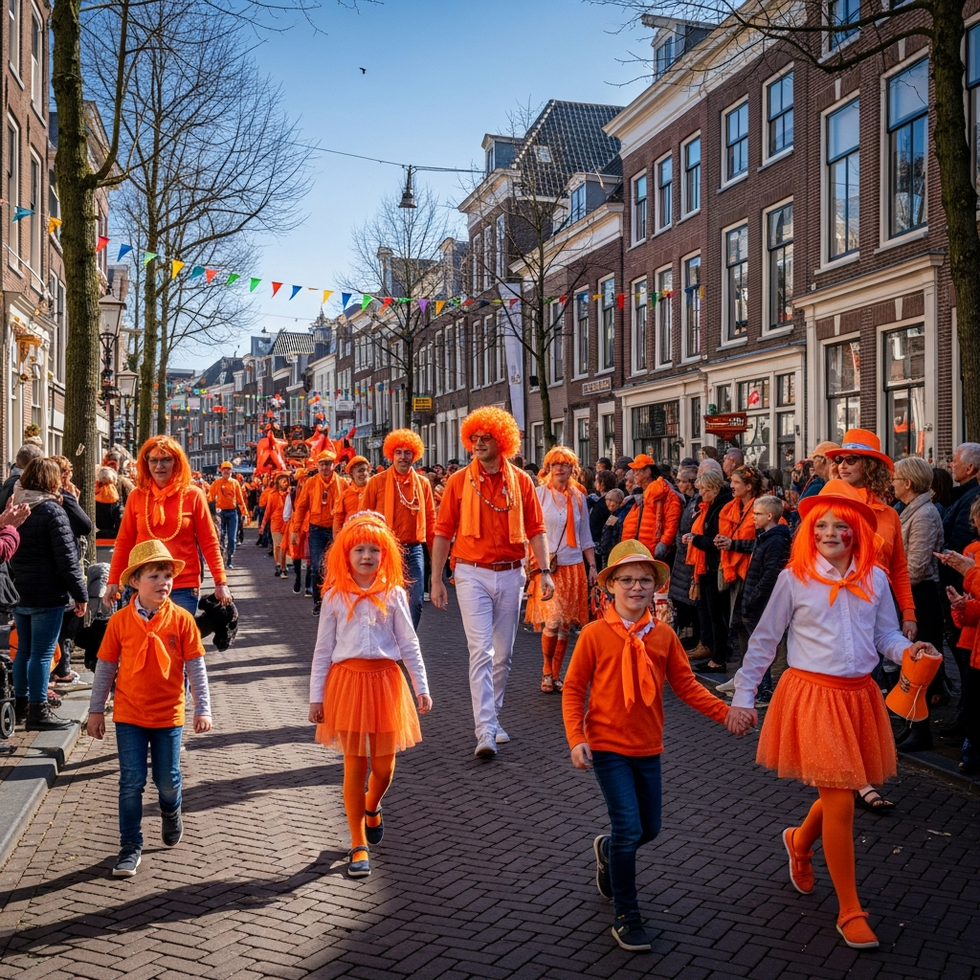
Festivals pack Dutch life with steady rhythm. King's Day lights up streets - orange everywhere, people laughing - a time when rules bend without fuss. Meanwhile, spring brings Keukenhof alive: petals stretch across lawns, reds, yellows, pinks layered like memories. What grows here isn’t just flowers - it’s part of who they are. Festivals come alive with energy, showing how much people care about where they live. Visitors get real glimpses into tradition, moments that make staying longer worth it. Instead of fading, culture grows stronger even as life around changes. What began long ago now thrives, drawing crowds from far away. That warmth doesn’t fade under bright lights or loud music. People keep it alive because it still means something.
Culinary Traditions and Modern Gastronomy as Cultural Ambassadors
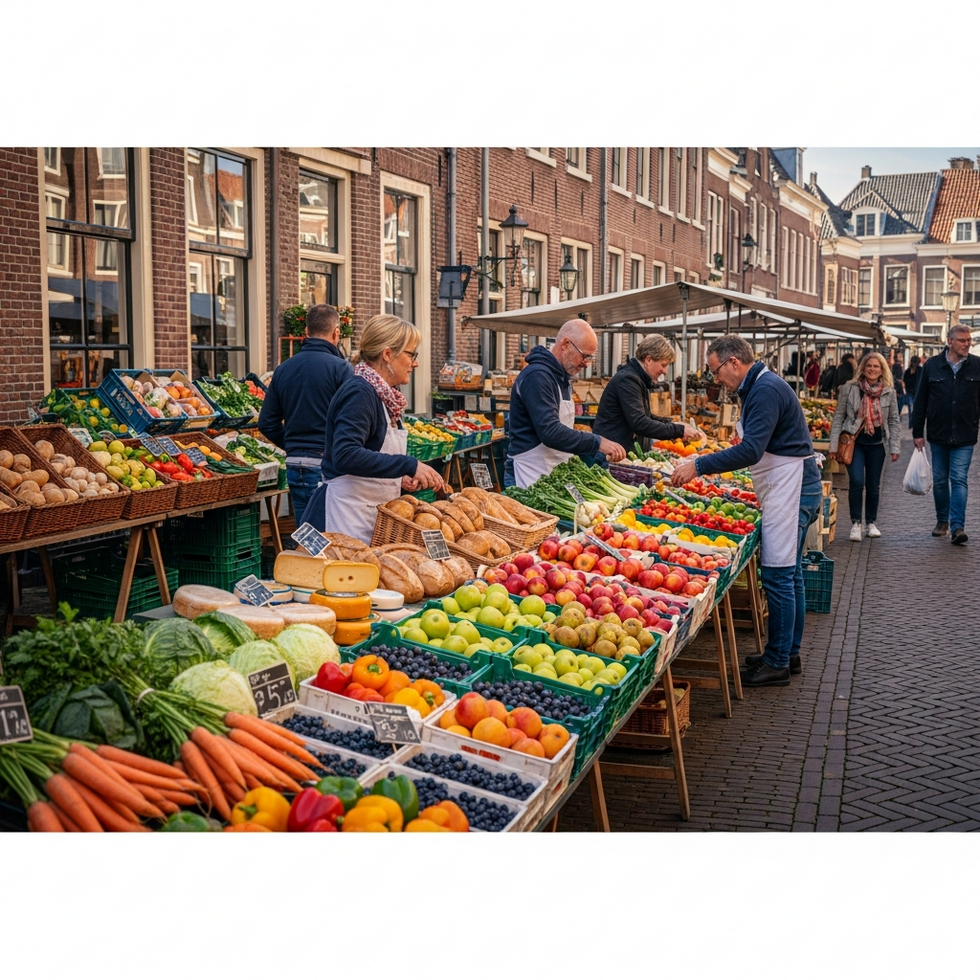
Herring straight from the barrel meets sweet waffle treats in Dutch kitchens, where flavor follows old paths. Not every nation boasts such bold eats, yet here they hold steady through generations. Farmhands’ recipes still simmer on stoves, shaped by river trade and green fields stretching northward. Chefs today play with heritage, swapping fish heads for creative spins using what grows nearby. You might find familiar things remade with care - not copied, simply reshaped by those who live here. Taste often echoes work done under low ceilings and shared stories after dark. This isn’t about showmanship; it quietly honors roots while moving forward one bite at a time. What draws visitors is how events like food festivals, neighborhood markets, or cooking walks let them taste real local life. Instead of just eating, people connect through meals, discovering variations between regions. Because taste often shapes tradition, these moments build bridges between cultures without force. In turn, eating becomes one more way travelers feel part of something larger than landmarks.