Renewable Energy Adoption Accelerates Global Efforts to Combat Climate Change
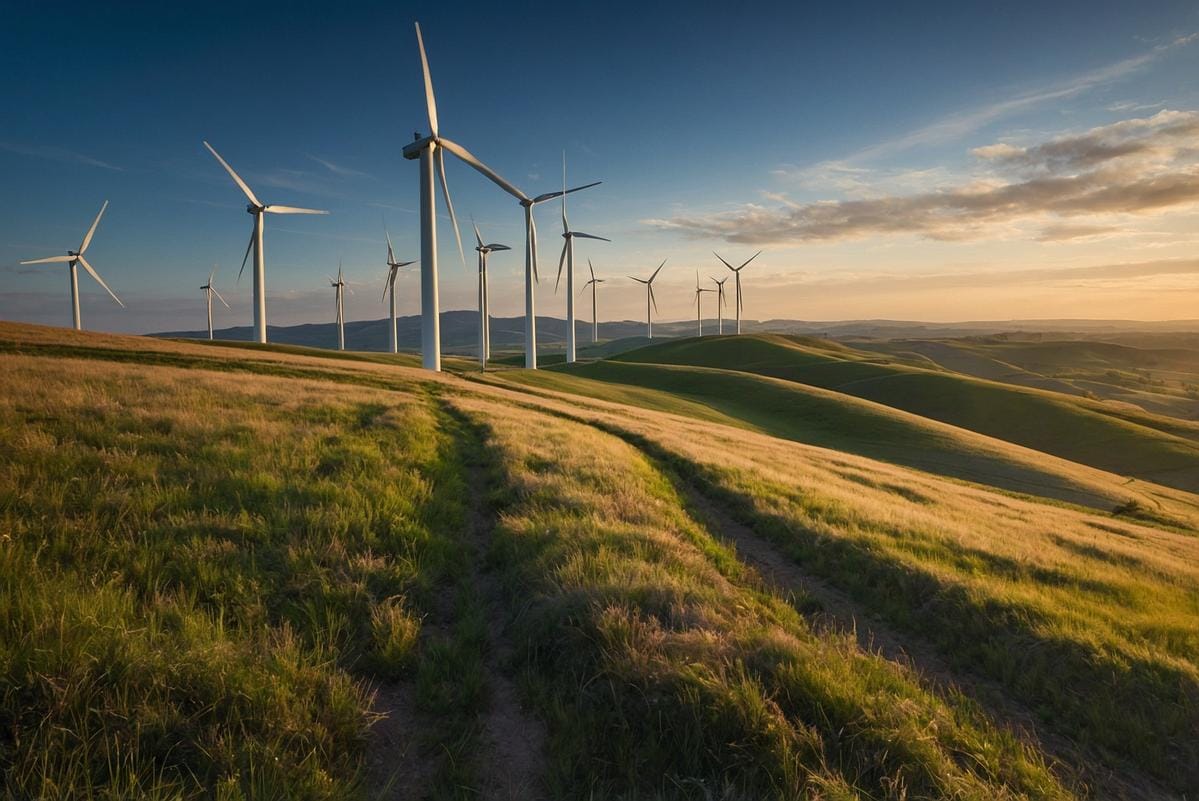
Global Shift Toward Renewable Energy Signals a New Era in Climate Action
In recent years, the global energy landscape has experienced a transformative shift marked by an unprecedented increase in renewable energy projects. Countries across continents are significantly investing in solar, wind, hydroelectric, and geothermal energy sources to reduce dependence on fossil fuels. This transition is driven by multiple factors including technological advancements that have lowered costs, increased efficiency, and improved storage capabilities, making renewable options more viable and attractive than ever before. Governments worldwide are adopting comprehensive policies and incentives aimed at accelerating this transition, recognizing the urgent need to curb carbon emissions and mitigate the worst impacts of climate change. The Paris Agreement's goals have catalyzed national commitments, leading to ambitious targets such as net-zero emission goals by mid-century. Notably, emerging markets in Africa, Asia, and Latin America are making substantial progress, signaling that renewable energy is no longer a niche sector but a global imperative. Moreover, major corporations are investing in renewable sources to meet their sustainability commitments, integrate into clean energy markets, and appeal to environmentally conscious consumers. Such combined efforts show that a clean energy future is increasingly within reach, promoting economic growth, energy security, and environmental stewardship simultaneously.
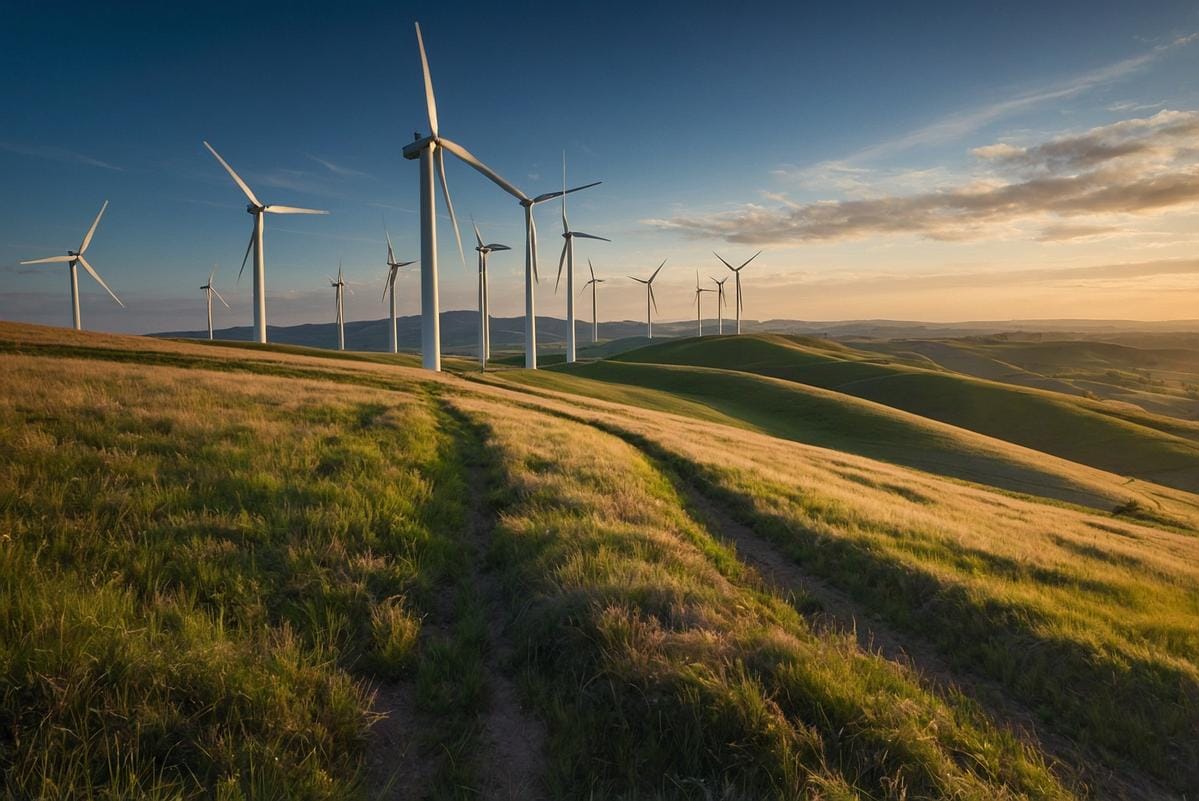
Technological Innovations Propel Cost-Effective Renewable Solutions
The remarkable advancements in renewable energy technology have played a critical role in making sustainable options more affordable and accessible. Innovative developments in solar panel efficiency, such as perovskite solar cells, have boosted power generation capacity while reducing manufacturing costs. Similarly, offshore and onshore wind turbines now feature larger blades and smarter designs that maximize energy capture even in low wind conditions. Battery storage solutions, like lithium-ion and emerging solid-state batteries, have become more efficient, enabling grid stability and energy dispatchability. These improvements have dramatically lowered the levelized cost of energy (LCOE), making renewables the most competitive energy sources in many regions. As a result, renewables are now often cheaper than fossil fuels, which has accelerated deployment and investment worldwide. The emergence of digital tools such as artificial intelligence and predictive analytics further optimizes renewable operations, maintenance, and integration into existing grids. The synergy between technological progress and policy support continues to drive momentum towards a sustainable, low-carbon energy system, demonstrating that the future of energy is undeniably clean and efficient.
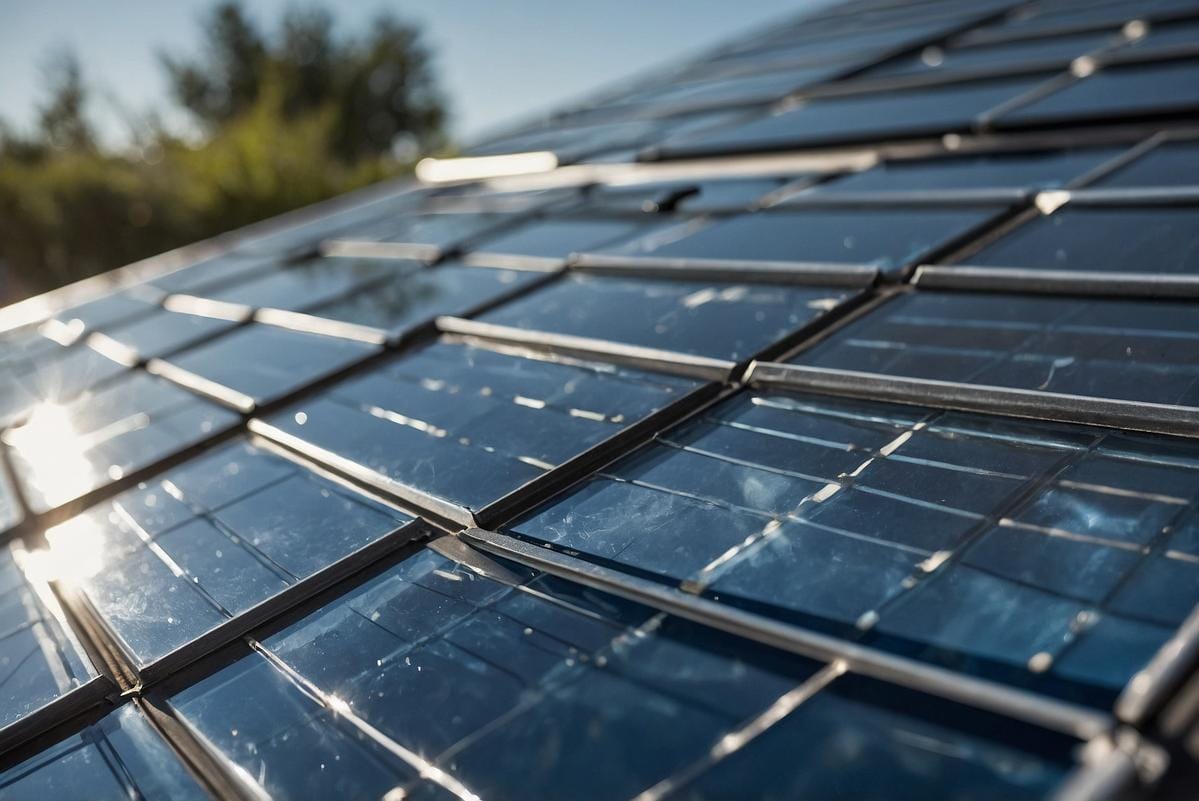
Policy Initiatives and Market Dynamics Accelerate Renewable Energy Adoption
Policy frameworks and market mechanisms are pivotal in shaping the rapid transition to renewable energy sources. Strategic incentives such as feed-in tariffs, tax credits, and renewable portfolio standards have incentivized investments at all scales, from community solar projects to large-scale wind farms. Additionally, international organizations and local governments are setting clear targets aligned with global climate agreements, creating a predictable environment that attracts private capital. Carbon pricing mechanisms, including cap-and-trade systems and carbon taxes, further incentivize industries to reduce emissions by making fossil fuels more expensive. Market dynamic changes, including the declining costs of renewables, have led to increased competitiveness and market share across the power sector. The emergence of corporate power purchase agreements (PPAs) demonstrates a growing appetite among businesses to procure clean energy directly from producers, providing steady revenue streams and driving further investments. These policy tools and market dynamics not only support the deployment of renewable infrastructure but also foster innovation, job creation, and economic resilience, ultimately leading to a sustainable, low-carbon energy future.