Understanding the Importance of Shopping Guides for Travelers
Traveling to new destinations often brings a delightful sense of adventure, especially when it comes to shopping for unique souvenirs, authentic local products, or luxury brands. Shopping guides serve as invaluable resources for tourists, offering insight into where to find the best markets, boutiques, and hidden gems that represent the spirit of the area. These guides go beyond simple maps—they provide curated recommendations, cultural context, and even tips on bargaining, authenticity verification, and avoiding tourist traps. Whether one is exploring bustling street markets in Bangkok, browsing high-end boutiques in Paris, or discovering artisan shops in Marrakech, having a well-researched shopping guide elevates the overall travel experience and helps travelers make informed purchasing decisions. A comprehensive shopping guide embraces factors such as regional specialties, craftsmanship, and local customs, ensuring that tourists not only acquire memorable keepsakes but also support local artisans and economies. As shopping remains a core component of cultural immersion, embracing these guides paves the way for more meaningful and financially savvy transactions, leaving travelers with stories and possessions that truly symbolize their destination.
Exploring the Most Popular Shopping Districts and Markets Globally
Globally, certain shopping districts have earned their reputations as shopping havens, drawing tourists from around the world eager to explore their unique offerings. In cities like New York, the iconic Fifth Avenue boasts luxury brands, flagship stores, and high-end department stores such as Saks Fifth Avenue or Bergdorf Goodman, offering an experience that combines retail therapy with urban sophistication. Meanwhile, Tokyo's Ginza district enchants visitors with a mixture of designer boutiques and traditional specialty shops, blending modernity with cultural heritage seamlessly. Heading to Europe, the city's Marais neighborhood in Paris is renowned for its boutique shopping and vintage stores, perfect for those searching for one-of-a-kind fashion items or antiques. In Asia, markets such as the Chatuchak Market in Bangkok are vital for discovering a wide array of textiles, ceramics, and handcrafted souvenirs at affordability, especially when engaging in bartering. Understanding the dynamics of these markets—hours of operation, negotiations tips, and cultural etiquette—enables travelers to enjoy a more authentic experience. These districts act as gateways into local culture, helping tourists to not only shop but also learn about the history, craftsmanship, and traditions behind each product.
Tips for Navigating Local Markets and Ensuring Authentic Purchases
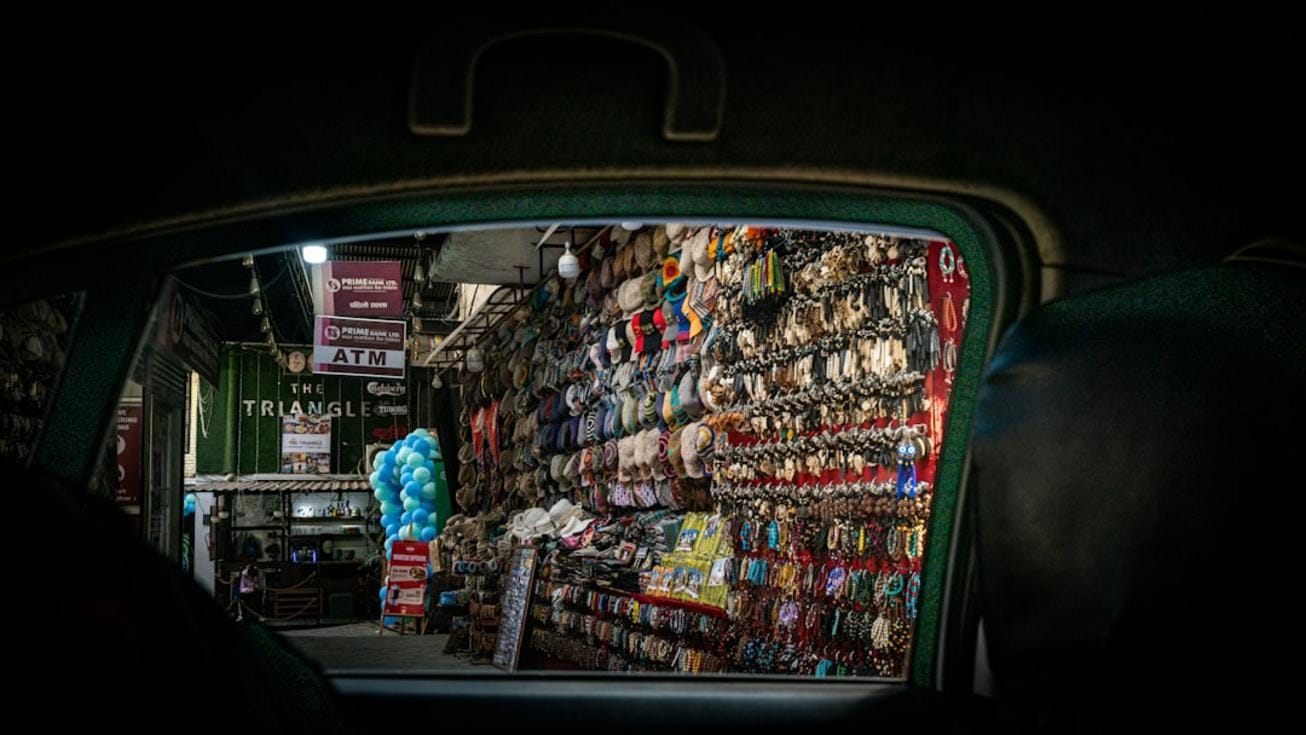
Venturing into local markets can be an exhilarating experience, but it requires some savvy to ensure that tourists get genuine quality products at fair prices. First and foremost, doing some research beforehand is essential; understanding typical prices and the unique qualities of items helps in bargaining effectively. Approaching vendors with politeness and respect fosters a more favorable negotiation process—many sellers appreciate tourists who show genuine interest and are willing to learn about local craftsmanship. When shopping for handcrafted jewelry, textiles, or souvenirs, always look for signs of authenticity such as craftsmanship details, labels, or certificates. Additionally, exploring popular online forums or travel blogs can provide firsthand tips from fellow travelers about specific markets and trusted vendors. It's also wise to carry small denominations of local currency, as it facilitates smoother transactions. Remember, bargaining is a cultural norm in many markets, but it should be done respectfully and with a smile. By being cautious and respectful, tourists guarantee a memorable shopping experience that supports local artisans and leaves them with authentic treasures to cherish for years.

Incorporating Cultural and Artisanal Products into Your Shopping Experience
One of the most fulfilling aspects of travel shopping is the opportunity to support traditional artisans and purchase cultural products that tell a story about the destination’s heritage. Items such as handwoven textiles from South America, intricately carved wooden sculptures from Africa, or delicate ceramics from Asia are more than mere souvenirs—they are expressions of centuries-old skills and cultural identity. When tourists seek out these artisanal products, they contribute directly to local economies and help preserve traditional craftsmanship that might otherwise fade. Many cities now host dedicated craft fairs, heritage markets, and artisan workshops, providing insights into the artisans’ techniques and cultural narratives. Visiting these places allows travelers to acquire authentic pieces that are often customizable, adding a personal touch to their collection. Additionally, purchasing directly from artisans or cooperatives often guarantees better prices and encourages fair trade practices. Embracing these unique, handmade products not only enriches your journey but also fosters cultural exchange, making every purchase a meaningful act of appreciation and support for local communities.