Innovative Urban Farming Initiatives Transform City Landscapes and Promote Sustainable Living
The Rise of Urban Farming and Its Impact on Modern Cities
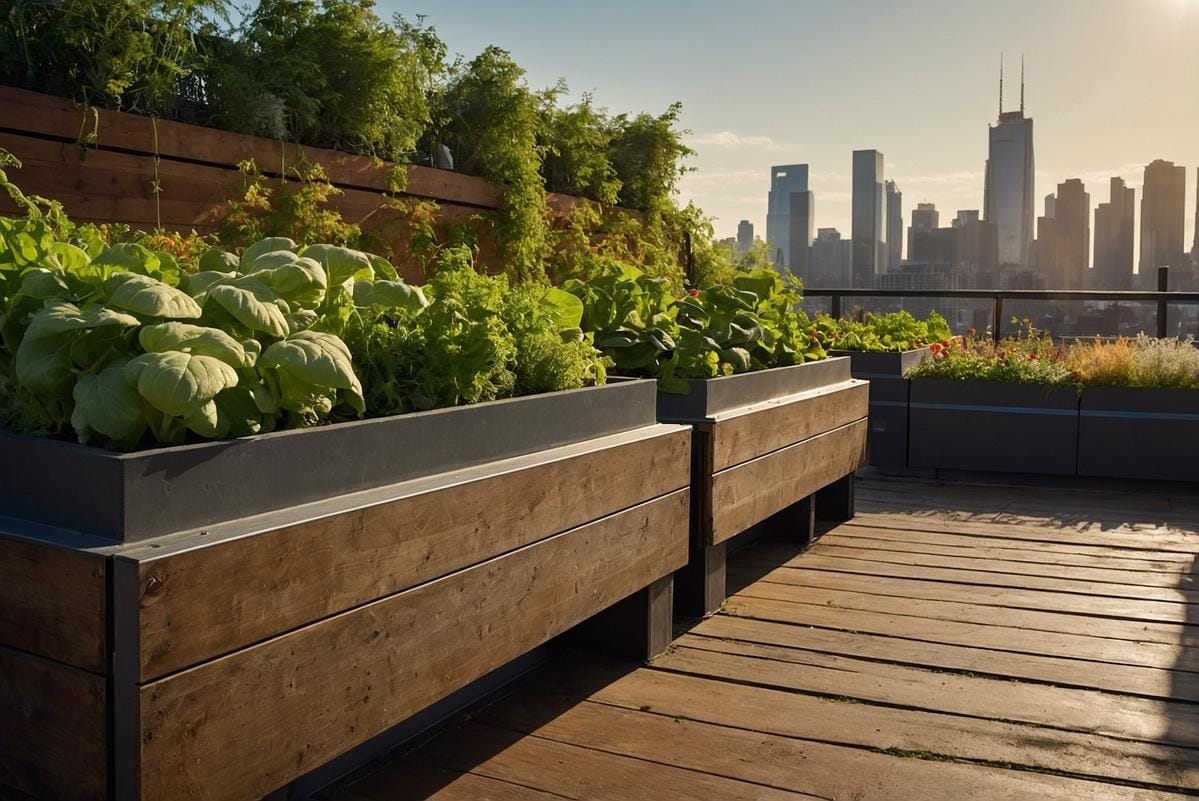
In recent years, urban farming has experienced a remarkable resurgence across major cities worldwide. As urban populations continue to grow and the demand for sustainable living options increases, innovative farming techniques are becoming integral to city planning. Modern urban farms utilize rooftops, abandoned lots, vertical gardens, and community spaces to produce fresh vegetables, herbs, and even small-scale fruit crops. This movement not only addresses issues of food security but also enhances the aesthetic value of city landscapes, offering residents a connection to nature amid concrete jungles. These initiatives often incorporate eco-friendly practices such as composting, rainwater harvesting, and solar-powered systems, which further improve their environmental footprint. Governments and private organizations alike are investing in these projects, recognizing their potential to reduce urban heat islands, lower carbon emissions, and foster community resilience. The integration of green spaces within urban settings is fundamentally changing the way cities approach sustainability and livability, blurring the lines between agriculture and urban infrastructure.
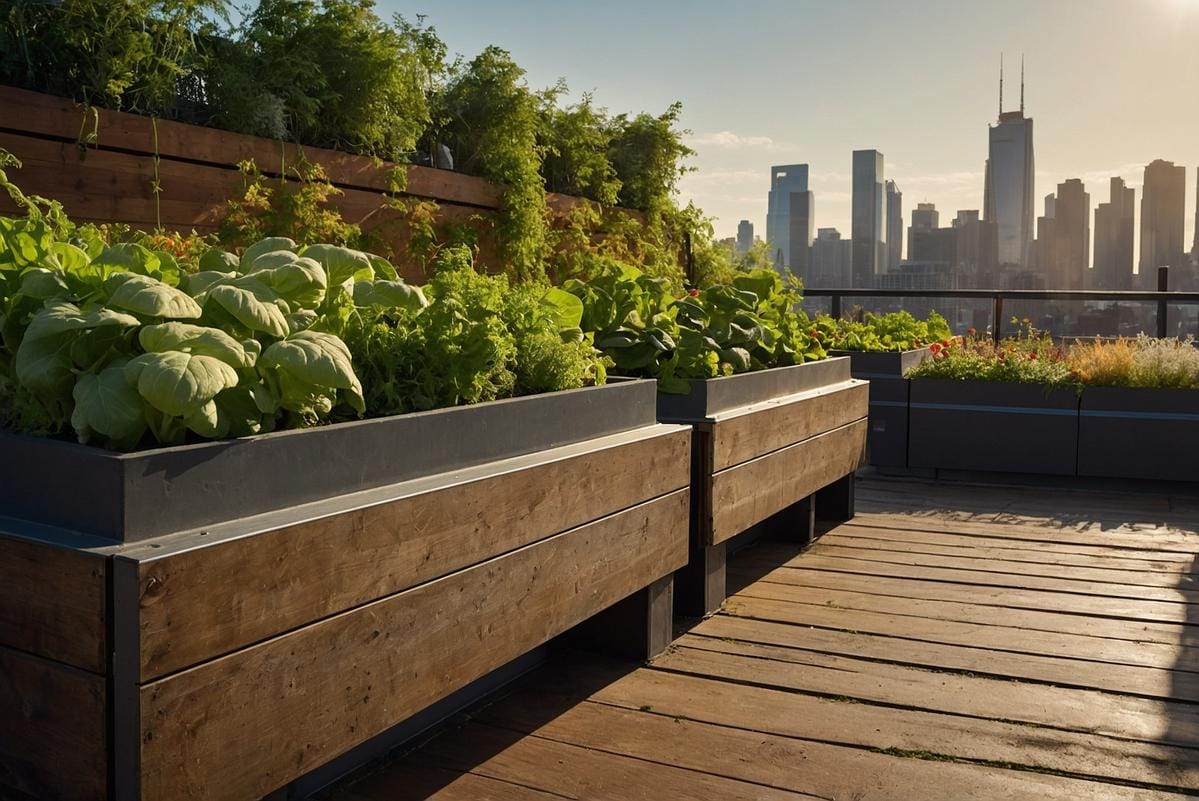
One of the most compelling aspects of urban farming is its ability to foster community engagement. Neighborhood gardens and cooperative farms serve as gathering spaces where residents can learn about sustainable practices, share gardening tips, and connect over a common interest in local food production. These community-driven efforts often lead to increased social cohesion, reduction in urban blight, and the empowerment of residents to take ownership of their neighborhoods. Moreover, urban farms can generate economic benefits by creating job opportunities in farming, maintenance, and educational programs. Small-scale local food markets are sprouting up around these initiatives, allowing residents to purchase fresh produce directly from growers, thereby cutting out middlemen and supporting local economies. The added advantage of educational outreach programs for schools and youth groups helps instill sustainable habits and environmental awareness from an early age, ensuring the longevity of these green practices in future generations.

Technological Innovations Driving Urban Agriculture Forward
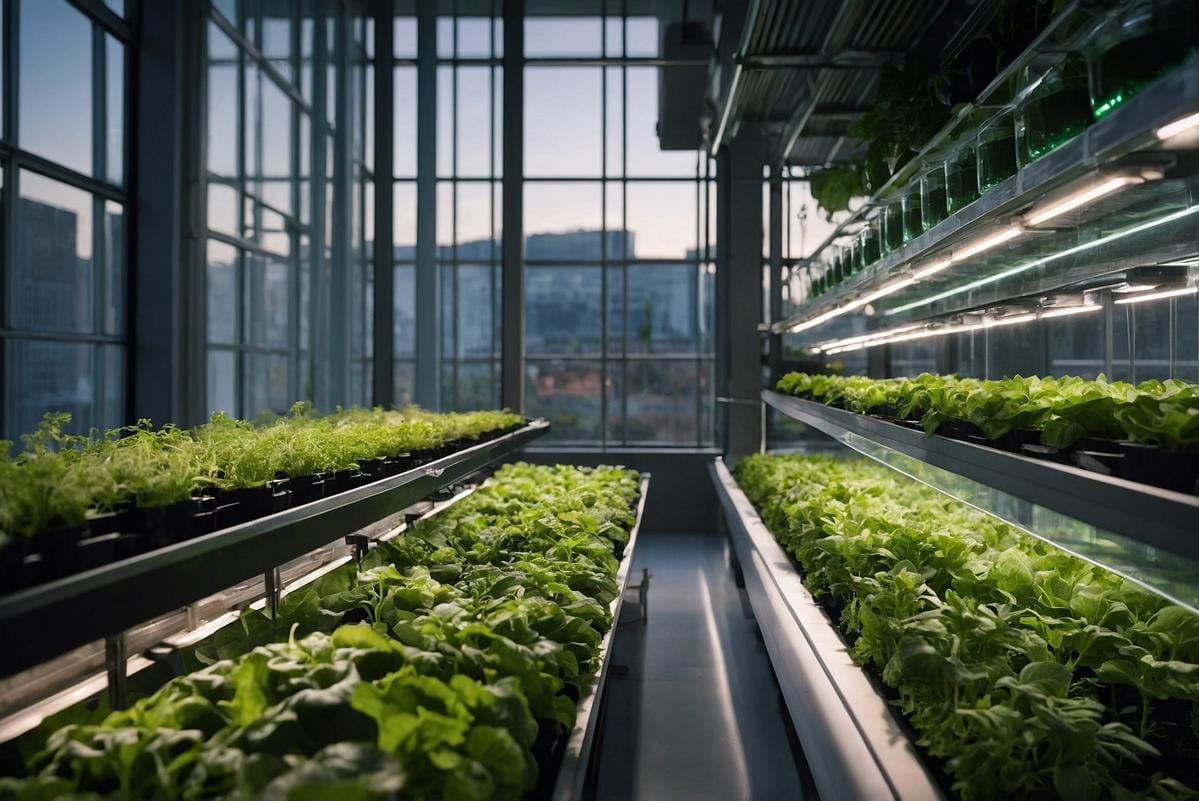
Advancements in technology are playing a vital role in making urban farming more efficient and scalable. Sensor systems monitoring soil moisture, LED grow lights tailored to specific plant needs, and automated irrigation solutions are increasingly common features of high-tech urban farms. These innovations optimize resource use, reduce waste, and allow for precise control over growing conditions, even in constrained spaces. Vertical farming systems, often powered by hydroponic or aeroponic methods, enable cities to maximize crop yields vertically, saving space and energy. Companies specializing in urban agriculture technology, such as **UrbanCropTech** and **SkyGrowSystems**, are pioneering solutions that integrate IoT (Internet of Things) devices with cloud computing to provide real-time data and management. These technological strides are making urban farming a viable large-scale industry, capable of supplementing traditional agriculture and contributing to food independence in dense metropolitan areas.
Looking ahead, the future of urban farming depends heavily on supportive policies, innovative financing, and public-private partnerships. Governments worldwide are recognizing the importance of integrating green initiatives into urban development plans. Policies that encourage land use for community gardens, provide grants or tax incentives for urban farming projects, and establish clear regulatory frameworks are essential for sustainable growth. Furthermore, access to funding through grants, crowdfunding platforms like **Kickstarter**, and partnerships with private sector stakeholders can accelerate the proliferation of urban farms. Cities such as Singapore, New York, and Berlin have already set pioneering examples by integrating farming into zoning laws and urban master plans. Educational campaigns to raise awareness and involve more residents are equally important for nurturing widespread adoption. In essence, the future of urban farming hinges on creating ecosystems where technology, policy, and community efforts converge to cultivate resilient, sustainable urban environments.