Immersing Yourself in Dutch Culture Through Unique Tourism Experiences

The Vibrant Heritage and Historic Landmarks Defining Dutch Culture
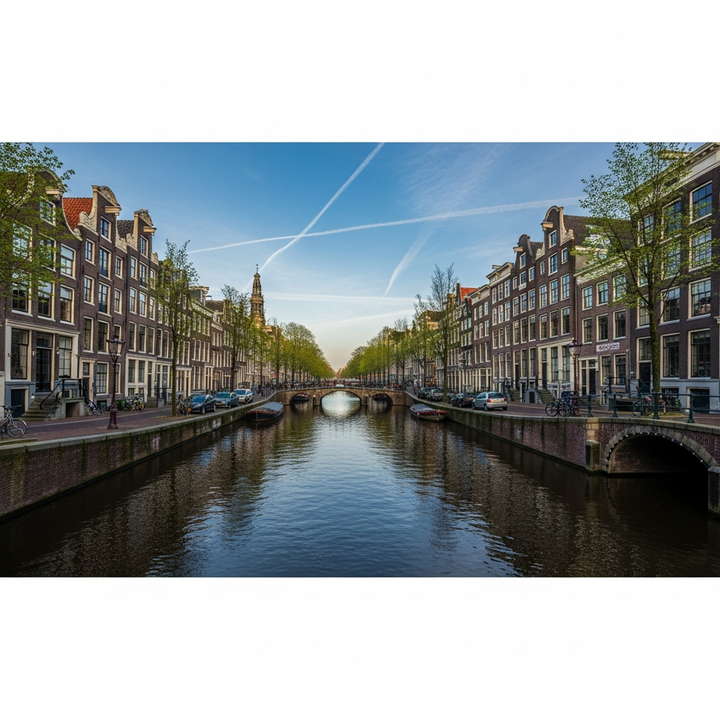
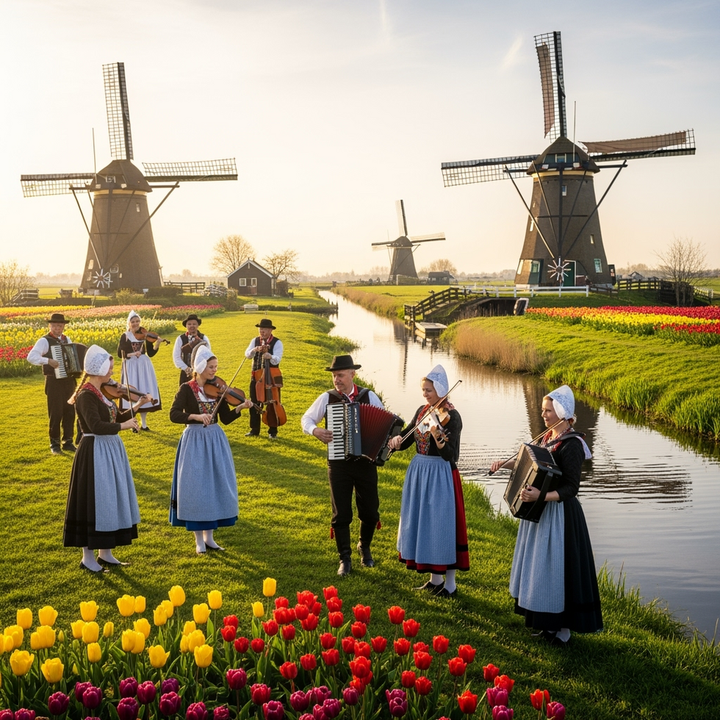
The Netherlands is a country renowned for its deeply rooted traditions, compelling history, and remarkable contributions to art and architecture. As a traveler immersing themselves in Dutch culture, visiting historic landmarks such as the Anne Frank House in Amsterdam, the Rijksmuseum, and the medieval town of Utrecht provides an authentic glimpse into the country's storied past. These sites are not just mere tourist stops but are gateways into understanding how the Dutch have shaped their identity through resilience, innovation, and a deep sense of community. Walking through cobblestone streets, visiting ancient canals, and experiencing centuries-old architecture allow tourists to connect with Dutch traditions that have been preserved over generations. For instance, the historic Binnenhof in The Hague is where Dutch political history unfolds, and exploring this area reveals the importance placed on governance and democracy in Dutch society. Moreover, traveling to the windmills of Kinderdijk illustrates the Netherlands' mastery over water management, a crucial aspect of Dutch history and their pioneering spirit. Such sites serve as visual narratives of Dutch perseverance and ingenuity, showcasing how landscape and architecture blend seamlessly to depict a culture that respects its past while embracing modernity.

Festivals and Cultural Celebrations Showcasing Dutch Traditions
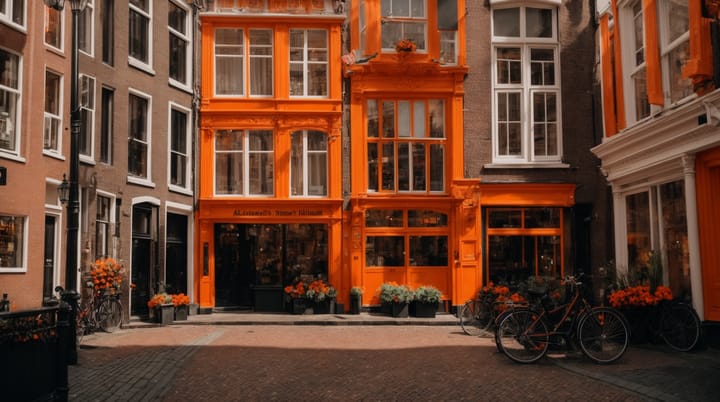
Dutch festivals are a vivid reflection of the nation's lively spirit and rich cultural heritage. Events like King's Day, celebrated on April 27th, transform the entire country into a sea of orange, with street parties, music, and vibrant markets. It's a day when locals and tourists alike dress in traditional orange attire, emphasizing unity and national pride. Another prominent celebration is the Tulip Festival, which takes place in Keukenhof, the world-famous flower garden. This festival highlights the Netherlands' deep-rooted connection with tulip cultivation and horticulture, drawing visitors from around the globe to witness fields bursting with color and participate in flower arranging workshops. Dutch art festivals such as the Holland Festival and the Grachtenfestival in Amsterdam also demonstrate the nation's long-standing artistic traditions, featuring classical music, contemporary art, and dance performances. Participating in these festivals allows visitors not just to observe but to engage directly with Dutch culture, creating memorable experiences that deepen their appreciation for this unique heritage. These events exemplify how Dutch traditions continue to thrive and evolve, making it a vital aspect of any travel itinerary in the Netherlands.
Exploring Dutch Cuisine and Its Cultural Significance
Dutch cuisine is a delightful reflection of the country's agricultural richness and multicultural influences. Traditional dishes such as stamppot, a hearty mash of potatoes with vegetables and sausage, embody the Dutch values of simplicity and practicality. Visiting local markets or cozy cafes to savor these authentic flavors provides insight into daily Dutch life and culinary traditions. Cheese plays a significant role in Dutch culture, with varieties like Gouda and Edam being renowned worldwide. Touring cheese markets in towns like Alkmaar and Gouda offers an immersive experience where visitors can learn about cheese aging processes and enjoy tasting sessions. Additionally, the Netherlands' colonial history introduced spices and flavors that have seamlessly integrated into modern Dutch cuisine, adding a subtle international flair. For those with a sweet tooth, stroopwafels—thin waffle cookies filled with caramel syrup—are a must-try delicacy best enjoyed with a cup of coffee. Exploring Dutch cuisine is not just about taste but about immersing oneself in cultural stories, regional identities, and centuries-old culinary traditions that continue to adapt and thrive.
The Role of Art and Museums in Preserving Dutch Cultural Identity
The Netherlands has historically been a hub for artistic innovation, producing masters like Rembrandt, Van Gogh, and Vermeer whose works continue to inspire worldwide. Today, museums such as the Van Gogh Museum and the Rijksmuseum in Amsterdam serve as custodians of Dutch cultural heritage. Visitors can immerse themselves in these collections, gaining a deeper understanding of Dutch artistic evolution from the Golden Age to contemporary art scenes. The Rijksmuseum not only displays classic Dutch paintings but also features extensive exhibitions on the nation’s history, cultural narratives, and social developments. Similarly, the Museum Boijmans Van Beuningen in Rotterdam provides insight into modern art and design, reflecting how Dutch creativity adapts over time. Participating in guided tours or virtual exhibitions makes art accessible to a broader audience and fosters appreciation for the country's artistic legacy. Dutch art festivals, contemporary art galleries, and public art projects also demonstrate an ongoing dedication to cultivating a vibrant and diverse cultural landscape, reinforcing the Netherlands’ reputation as an innovative and influential artistic nation.