Emergency Response as Over Two Dozen Passengers Injured in Turbulence During Commercial Flight

Severe Turbulence on Delta Flight Sparks Emergency Response
A recent aviation incident involving a Delta Airlines flight has drawn significant attention to the unpredictable nature of severe turbulence during commercial air travel. The flight, traveling from Atlanta to New York, encountered sudden and intense turbulence that led to injuries among more than 25 passengers and crew members. This unexpected turbulence caused chaos inside the cabin, with passengers thrown against overhead compartments and seats, resulting in a cascade of injuries requiring immediate medical attention upon landing. The flight crew quickly initiated emergency protocols, securing the cabin and alerting ground medical services to assist the injured. Such incidents, while rare, serve as stark reminders of the importance of proper safety measures, turbulence prediction, and passenger preparedness during flights. Experts emphasize that turbulence is an inherent part of flying and can occur even during clear skies due to atmospheric disturbances, jet streams, or weather systems. The airline industry continually works on improving safety standards, but unpredictable turbulence remains a challenge that requires vigilance from both crew members and passengers. As this incident unfolds, it also raises questions about current safety protocols and whether additional measures could reduce injury risk. Aviation authorities and airlines continuously review their procedures, aiming to balance passenger comfort with safety. While turbulence incidents may cause alarm, understanding the rare but real hazards involved can help travelers remain calm and prepared, ultimately enhancing overall flight safety.
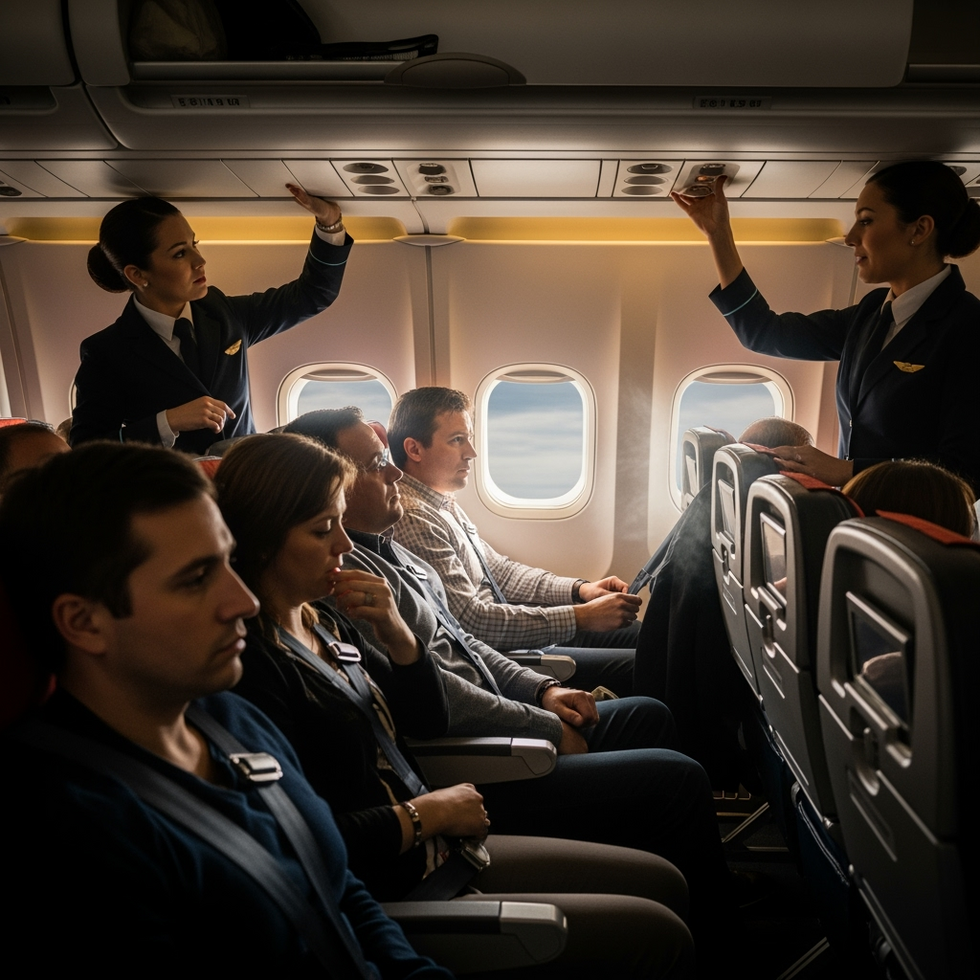
Emergency Medical Response and Passenger Safety Protocols
The aftermath of the turbulence incident on the Delta flight underscores the importance of swift and effective emergency response protocols in aviation. Ground-based medical teams and onboard crew collaborated seamlessly to address the injuries sustained by passengers. Many were transported to nearby hospitals for treatment, illustrating the critical role of coordinated emergency services during such crises. Airlines invest heavily in training crew members to handle turbulent conditions and medical emergencies, including first aid and CPR certification. Passengers are also advised to follow safety instructions, including wearing seat belts whenever seated, to minimize injury during unexpected turbulence. This incident has reignited discussions around whether airlines should implement additional safety measures such as seat belt alerts or improvements to cabin structure to withstand turbulence forces better. Moreover, several industry experts argue that advances in weather forecasting technology could help pilots anticipate dangerous conditions more accurately, reducing the likelihood of severe turbulence encounters. While the aviation sector works towards enhancing safety, incidents like this serve as a reminder to passengers about the importance of remaining vigilant and following crew instructions during flights. The ongoing development of safety equipment and protocols aims to keep air travel as secure and smooth as possible, even amid the unpredictabilities of weather and atmospheric conditions.
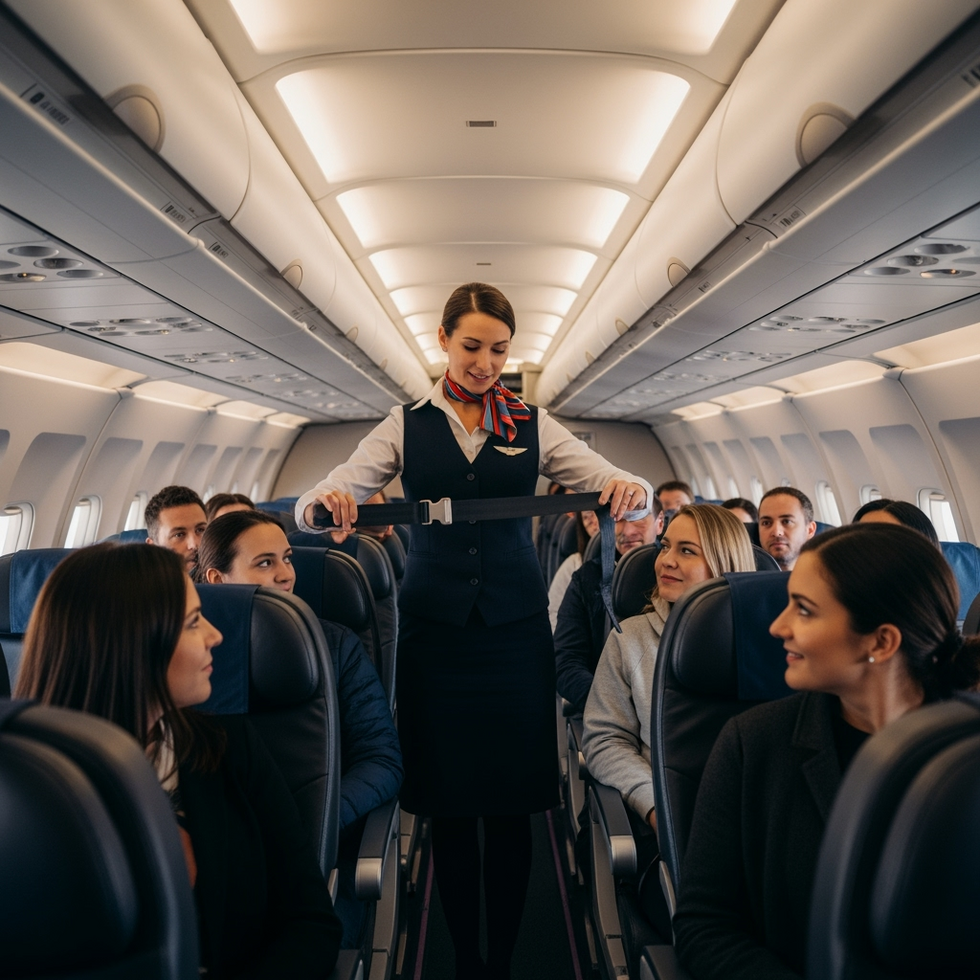
Implications for Future Flight Safety and Passenger Confidence
This turbulence incident on the Delta flight prompts a broader reflection on how airlines and aviation authorities can bolster safety protocols to prevent injuries and increase passenger confidence. While turbulence cannot be entirely avoided, advancements in predictive analytics and real-time weather monitoring are making it possible for pilots to better navigate or avoid turbulent areas. Additionally, this event highlights the significance of educating passengers on the importance of keeping seat belts fastened during the entire flight, not just during takeoff and landing. Airlines have also been investing in more resilient cabin designs and improved safety harnesses to minimize injury risks during sudden turbulence episodes. Industry stakeholders are calling for increased transparency about turbulence risks and more effective communication strategies during flights to reassure passengers. Overall, the incident serves as a catalyst for ongoing improvements in flight safety, with the ultimate goal of providing a secure environment for travelers while preserving confidence in air travel amidst an evolving landscape of atmospheric challenges. Despite these hurdles, commercial aviation remains one of the safest modes of transportation, thanks to rigorous standards, technological innovations, and dedicated safety personnel. As the aviation community continuously adapts, travelers can expect that future flights will become even safer, resilient, and more comfortable, bolstered by lessons learned from unfortunate but instructive incidents like this one.