Dutch Tulip Fever: Traditions and Modern Cultivation

The Historical Roots of Tulip Cultivation
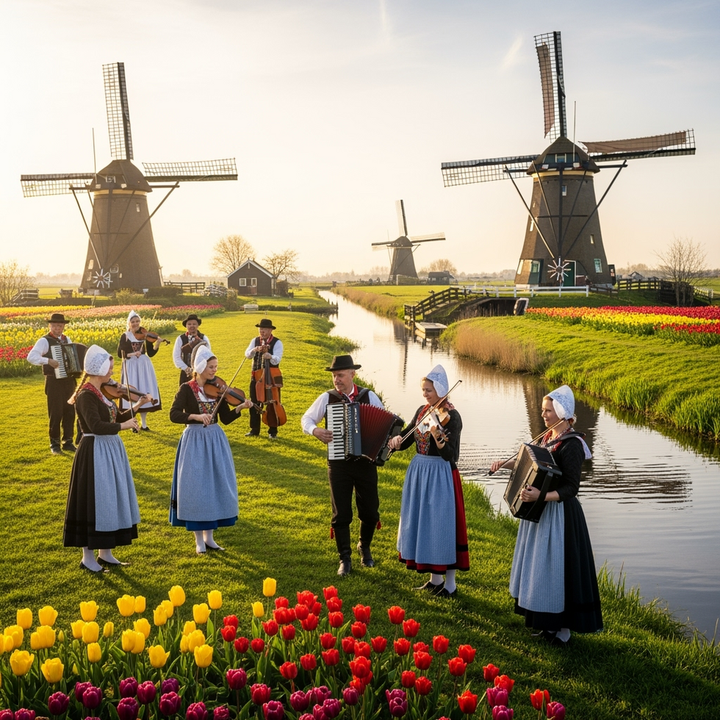
Starting from the 16th century, Dutch tulips have not just been mere flowers; they represent an important part of the social, economic and cultural fabric of the Netherlands. The phenomenon known as 'tulip mania' swept across the Dutch Golden Age, illustrating the country's deep-rooted fascination with these colorful blooms. This passion for tulips has been passed down through generations, creating a robust industry and an enduring symbol of Dutch heritage.
Contemporary Methods of Tulip Farming
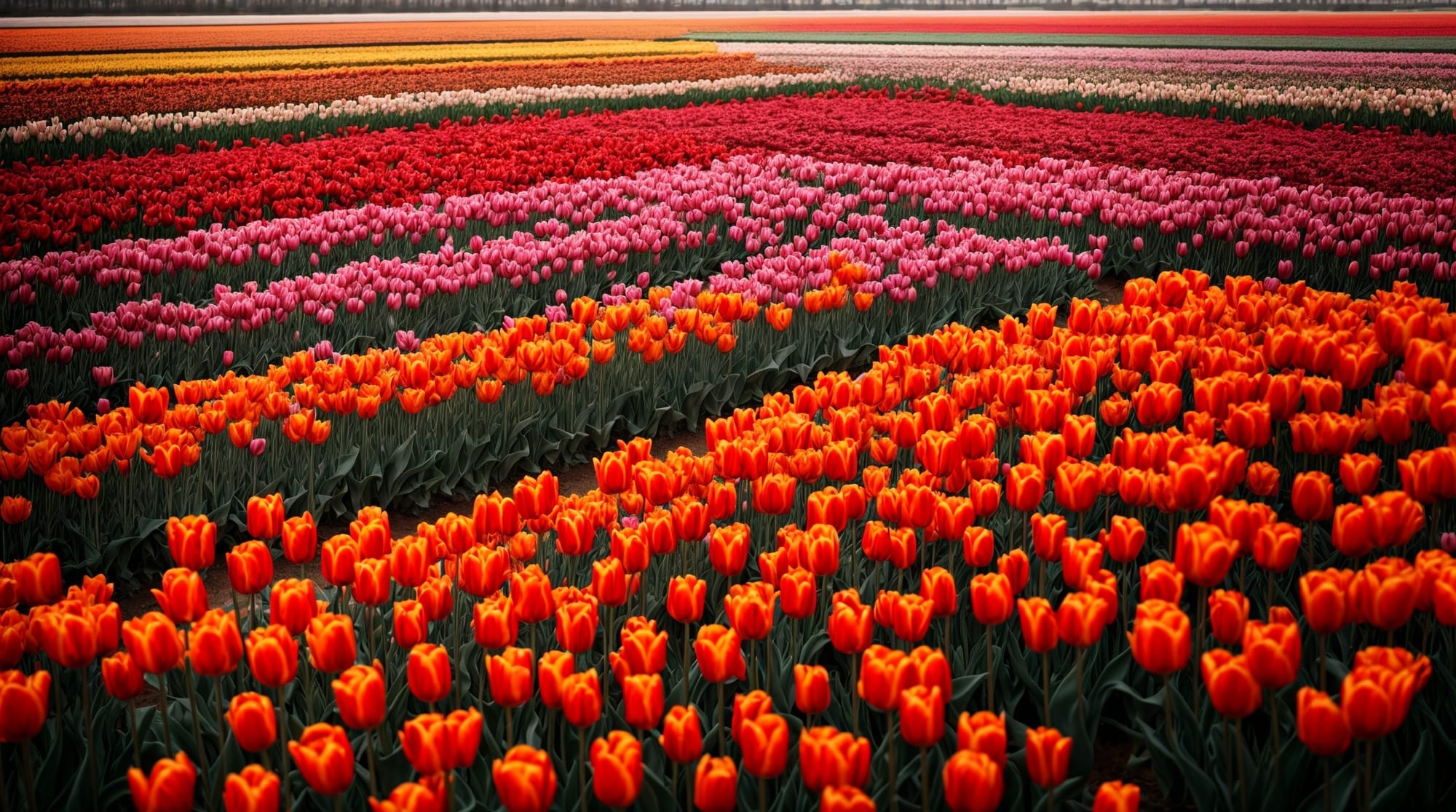
Modern tulip cultivation combines age-old techniques with advanced technology. Today, Dutch tulip farms utilize sustainable farming methods to reduce environmental impact and increase efficiency. Innovations such as GPS-guided planting and automated sorting machines have not only improved the yield but have also helped the Netherlands remain the world leader in tulip exports, perpetuating their global cultural significance.
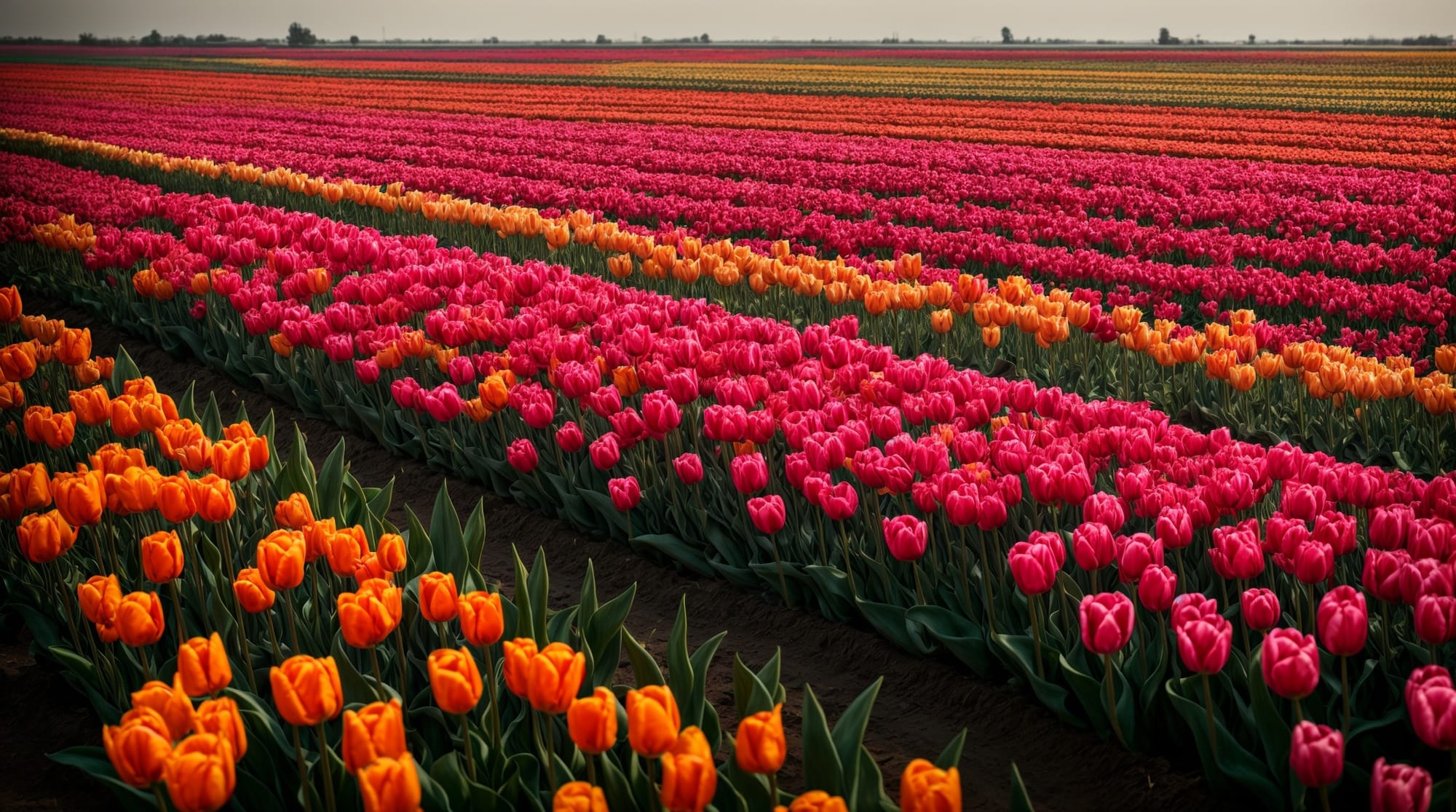
Cultural Impact and Tulip Festivals
The iconic status of tulips is celebrated every year in various events throughout the Netherlands. One of the most spectacular is the Keukenhof Gardens, which attract visitors from all over the world eager to experience the breathtaking beauty of blooming tulips. These festivals not only promote tourism but also reinforce the national identity linked to tulip cultivation, showcasing the flower's ability to unite people across different cultures.