Understanding the Unique Tapestry of Dutch Cultural Heritage
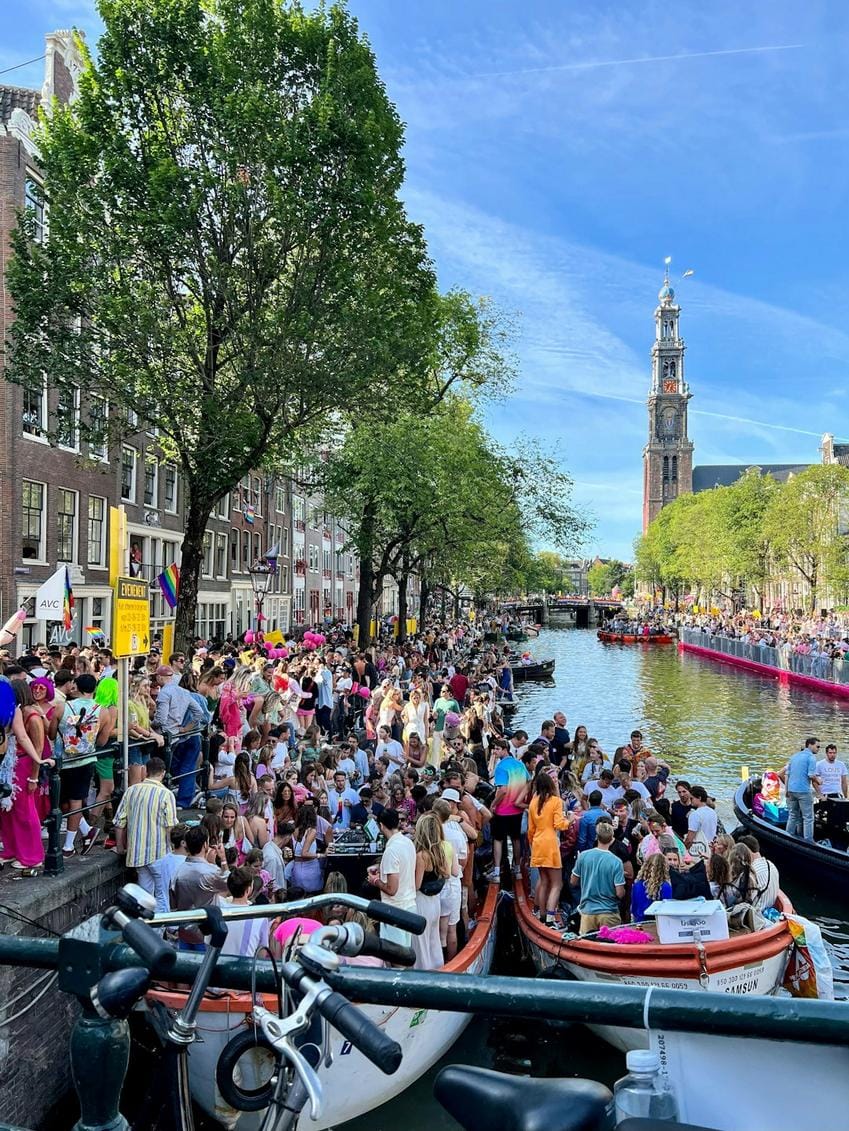
The Netherlands boasts a rich and multifaceted cultural heritage that is deeply woven into the fabric of everyday life for its residents and attracts millions of visitors annually. From the historic canals of Amsterdam to the iconic windmills of Kinderdijk, Dutch cultural symbols resonate with a sense of enduring tradition combined with modern innovation. The Dutch have a long-standing history of artistic achievement, exemplified by legendary painters such as Rembrandt and Vermeer, whose works continue to inspire art lovers worldwide. Moreover, the country’s commitment to preserving its heritage is evident in its meticulous conservation efforts, like restoring historical districts and maintaining centuries-old landmarks. Such efforts not only serve as a window into the past but also play a vital role in tourism by offering travelers immersive experiences that showcase authentic Dutch life. Notably, Dutch traditions such as Sinterklaas and King's Day celebrations, alongside the country's unique approach to water management and cycling culture, reveal a society that values ingenuity, community, and sustainability. For visitors, understanding the cultural tapestry of the Netherlands enhances their experience, transforming a simple trip into a deep exploration of history, arts, and local customs that collectively define Dutch identity.
Art and Architecture That Define Dutch Identity
Dutch art and architecture stand as enduring symbols of the nation’s cultural prominence. The Netherlands has produced some of the most influential painters in history, with the Dutch Golden Age heralding a renaissance of artistic expression. Institutions like the Rijksmuseum and Van Gogh Museum in Amsterdam serve not only as repositories of national treasures but also as cultural ambassadors that draw millions of art enthusiasts from around the world. Visitors to the country often find themselves captivated by the masterful techniques and innovative perspectives that define Dutch painting, which vividly captures everything from landscapes and still lifes to everyday scenes. Architecturally, Dutch design reflects an appreciation for both functionality and aesthetic beauty. The traditional gabled houses of Amsterdam and Rotterdam’s modern skyscrapers seamlessly blend innovation with historical roots. The iconic canal houses and the innovative use of space in Dutch urban planning exemplify a society that values both heritage and progressive development. These features make Dutch cities a living museum where art and architecture communicate the nation’s historical journey and contemporary dynamism.
Festivals and Culinary Traditions That Reflect Dutch Spirit
Festivals and culinary traditions are integral to experiencing Dutch culture firsthand. Events like King's Day, where the entire nation dons orange and celebrates with parades, music, and street markets, exemplify the Dutch love for community and celebration. Similarly, the popular Sinterklaas festival, with its glittering parades and gift-giving traditions, offers a glimpse into the country's folklore and family-centered customs. Food also plays a central role in Dutch cultural identity. Traditional dishes such as stroopwafels, bitterballen, and raw herring provide visitors with authentic flavors that tell stories of the country’s maritime history and agricultural roots. Modern Dutch cuisine has also embraced innovation, as seen in the growing number of Michelin-starred restaurants and sustainable food initiatives. Visitors eager to immerse themselves in local flavors often indulge in Dutch cheeses like Gouda and Edam or visit farmers’ markets showcasing seasonal produce. These festivals and culinary experiences not only highlight the vibrant spirit of the Dutch people but also serve as catalysts for boosting tourism, allowing travelers to connect more deeply with the traditions that shape the country’s cultural landscape.
Sustainable Tourism and the Preservation of Dutch Culture
In recent years, the Netherlands has emerged as a global leader in sustainable tourism practices that aim to protect its cultural and natural assets. Initiatives such as eco-friendly hotels, bicycle-friendly urban environments, and responsible tourism programs highlight the country’s dedication to balancing visitation with conservation. Dutch cities actively promote cycling as a primary mode of transportation, reducing carbon footprints while offering visitors a chance to explore historical sites and vibrant neighborhoods intimately. Furthermore, heritage sites are carefully maintained with green preservation strategies that ensure their longevity for future generations. The Dutch government, along with local communities, supports programs that encourage tourists to respect local customs and environmental principles—making sustainability a core element of experiencing Dutch culture. Engaging with this ethos allows travelers not only to enjoy authentic cultural sites but also to contribute positively to local economies and communities. As tourism continues to grow, the Netherlands' commitment to sustainable practices will likely inspire other nations to prioritize their cultural and environmental preservation efforts, strengthening cultural tourism globally.