Dutch Cultural Treasures That Define the Heart of Amsterdam
Unveiling the Rich Heritage of Dutch Traditions in Amsterdam
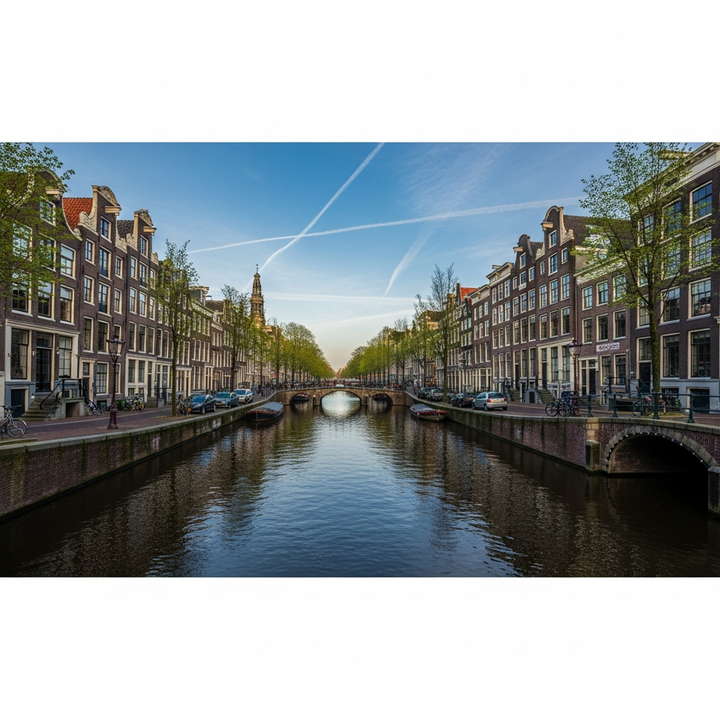
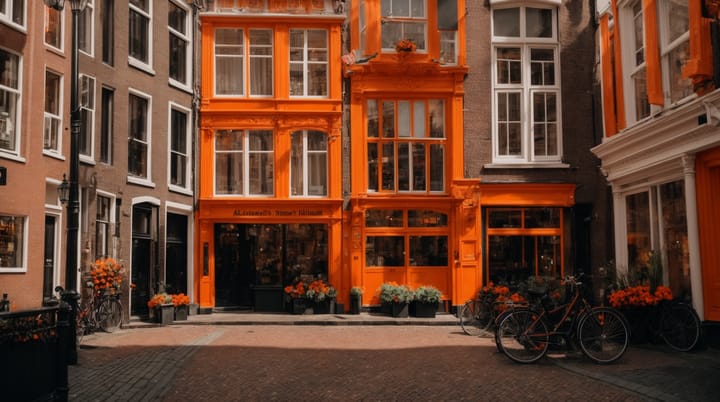
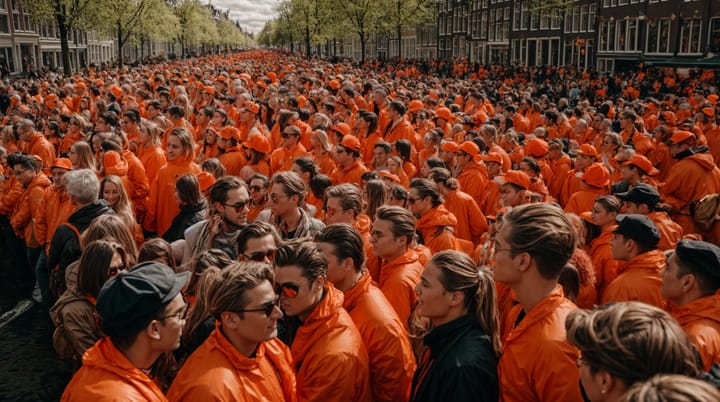
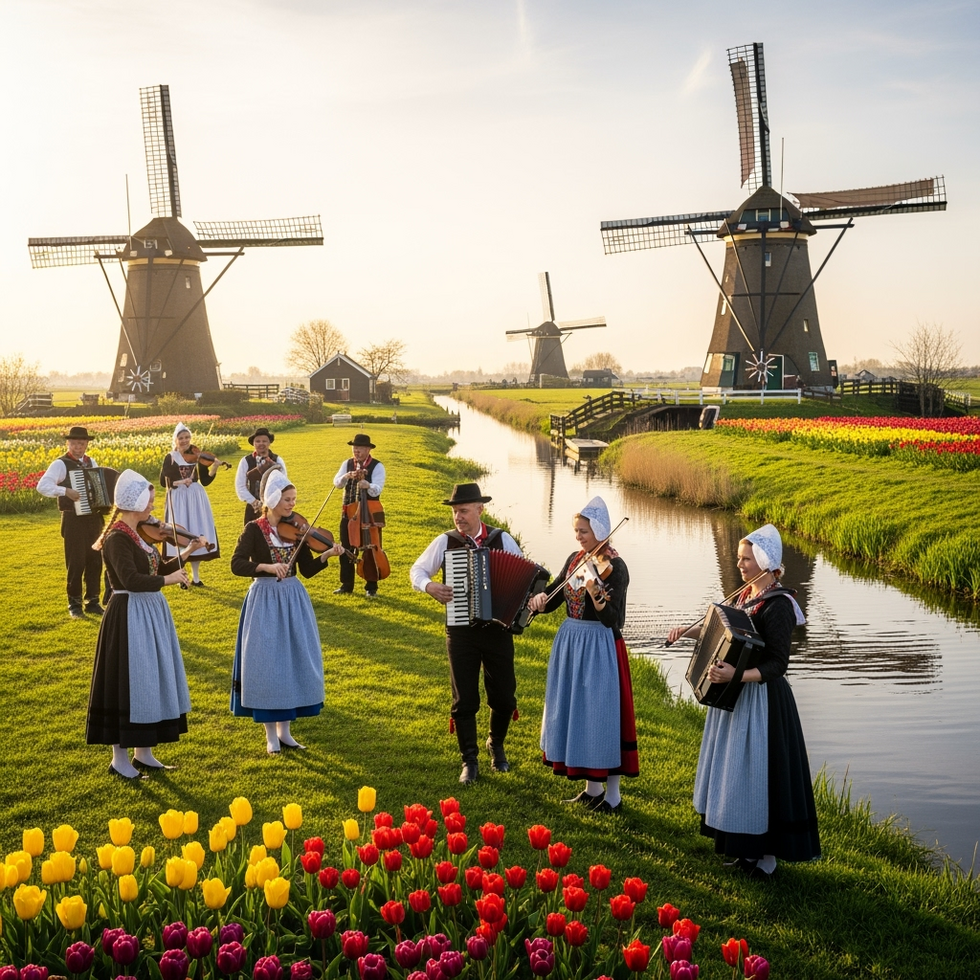
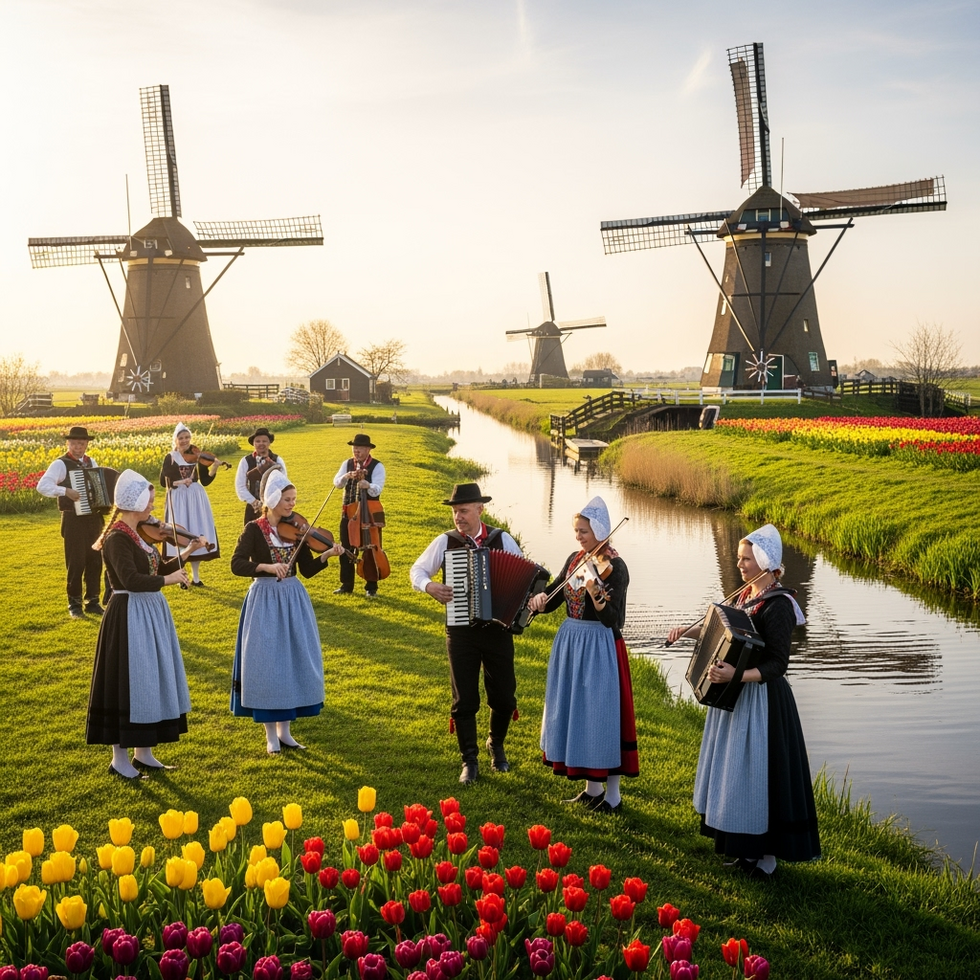
Amsterdam, often regarded as the cultural capital of the Netherlands, is a city whose very fabric is woven with centuries-old Dutch traditions. Walking through its historic streets feels akin to stepping into a living museum where old customs continue to thrive amidst modern vibrancy. The Dutch have a long history of celebrating festivals, maintaining traditional crafts, and preserving their language and customs. For instance, King's Day, celebrated annually on April 27th, transforms the city into a sea of orange as locals and visitors alike participate in nationwide festivities that have roots dating back centuries. Furthermore, the Dutch windmills and traditional wooden clogs are more than mere tourist attractions; they symbolize centuries of ingenuity and rural heritage that are actively preserved through local museums and cultural events. Amsterdam also hosts numerous folk festivals that honor Dutch music, dance, and culinary traditions. Engaging with these customs offers visitors a glimpse into the soul of the Netherlands, where history and community spirit blend seamlessly into everyday life. It’s this enduring connection to tradition that makes Amsterdam a fascinating tapestry of past and present, inviting travelers to immerse themselves in authentic Dutch cultural experiences.
The Artistic Heartbeat of Amsterdam and Its Influence on Dutch Culture
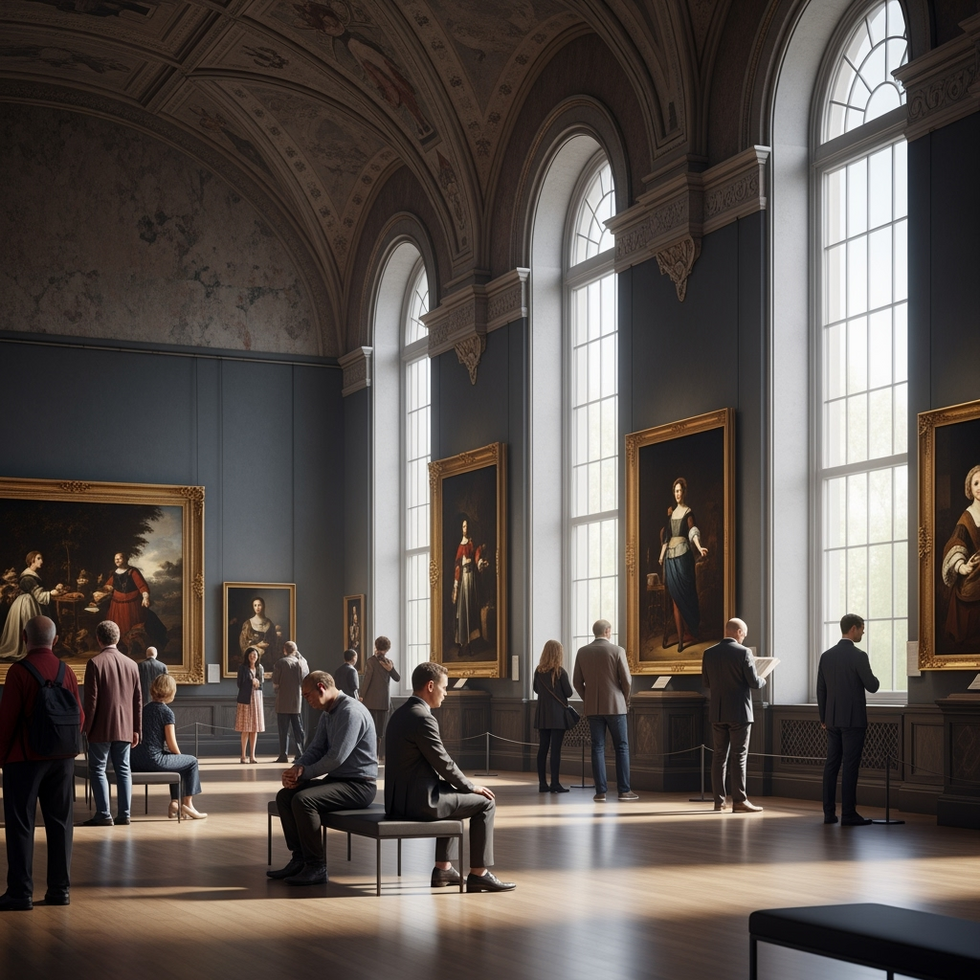
Amsterdam’s reputation as an artistic hub is undeniable, with its history deeply intertwined with the evolution of Dutch art. The city was once home to legendary painters such as Rembrandt, Vermeer, and Van Gogh, whose masterpieces continue to fascinate art lovers worldwide. The Rijksmuseum and Van Gogh Museum serve as cultural beacons, offering visitors a profound journey through Dutch artistic excellence spanning centuries. Dutch art is characterized by its attention to detail, innovative techniques, and a unique perspective on everyday life, nature, and spirituality. Today, contemporary Dutch artists also play a vital role in shaping Amsterdam's vibrant art scene, from street art to modern galleries. The city’s lively art festivals and events, like the Amsterdam Art Fair, further cement its status as a center of creative expression that evolves without losing its traditional roots. Engaging with Amsterdam's rich artistic heritage provides visitors with an inspiring lens into Dutch culture’s innovative spirit and appreciation for beauty. Whether exploring historic art collections or contemporary exhibitions, the city offers addictive insight into the evolving narrative of Dutch art history.
Modern Dutch Influences and the Cultural Fusion in Amsterdam
While rich in history, Amsterdam is also a showcase of contemporary Dutch culture that continuously evolves, blending traditional elements with new influences from around the world. The city’s global reputation as a hub for innovation is reflected in its vibrant creative industries, diverse culinary scene, and progressive social values. The impact of multiculturalism is visible across neighborhoods like Jordaan and De Pijp, where European, Asian, and African cultures intersect, creating a melting pot of influences. Modern Dutch culture emphasizes openness, sustainability, and artistic experimentation. Innovative projects such as eco-friendly architecture, sustainable fashion brands, and cutting-edge tech startups highlight this dynamic cultural landscape. Furthermore, the city hosts annual events like the Amsterdam Dance Event (ADE) and Pride Amsterdam, which showcase Dutch openness and artistic expression. Visitors leaving Amsterdam with a clear impression of how tradition and modernity coexist will appreciate the city’s genuine commitment to fostering cultural diversity and progress. Exploring these contemporary influences helps illustrate the wider Dutch penchant for innovation grounded in a rich cultural tapestry.