Delving into Dutch Tulip Mania: Past to Present
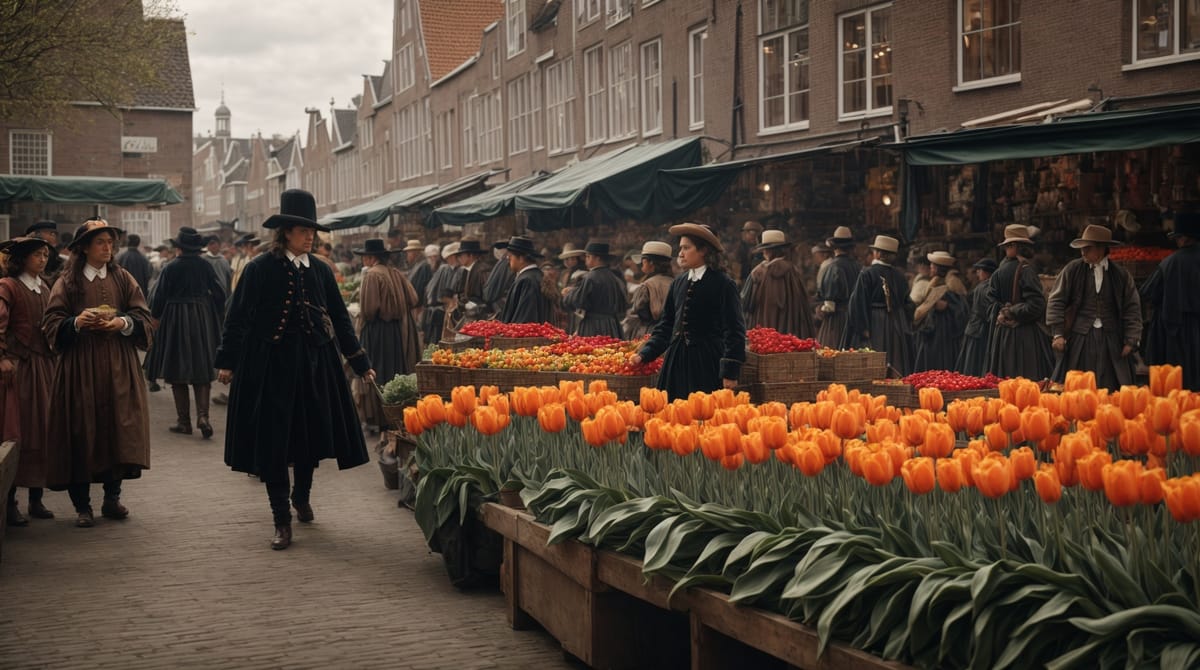
Tulips are not only striking flowers but also bear a rich historical significance in Dutch culture. Originating from the Ottoman Empire, tulips were introduced to the Netherlands in the 16th century. They quickly became a luxurious commodity, leading to the infamous Tulip Mania during the 1630s. This period marked one of the first recorded financial bubbles, where prices soared unbelievably high before suddenly collapsing.
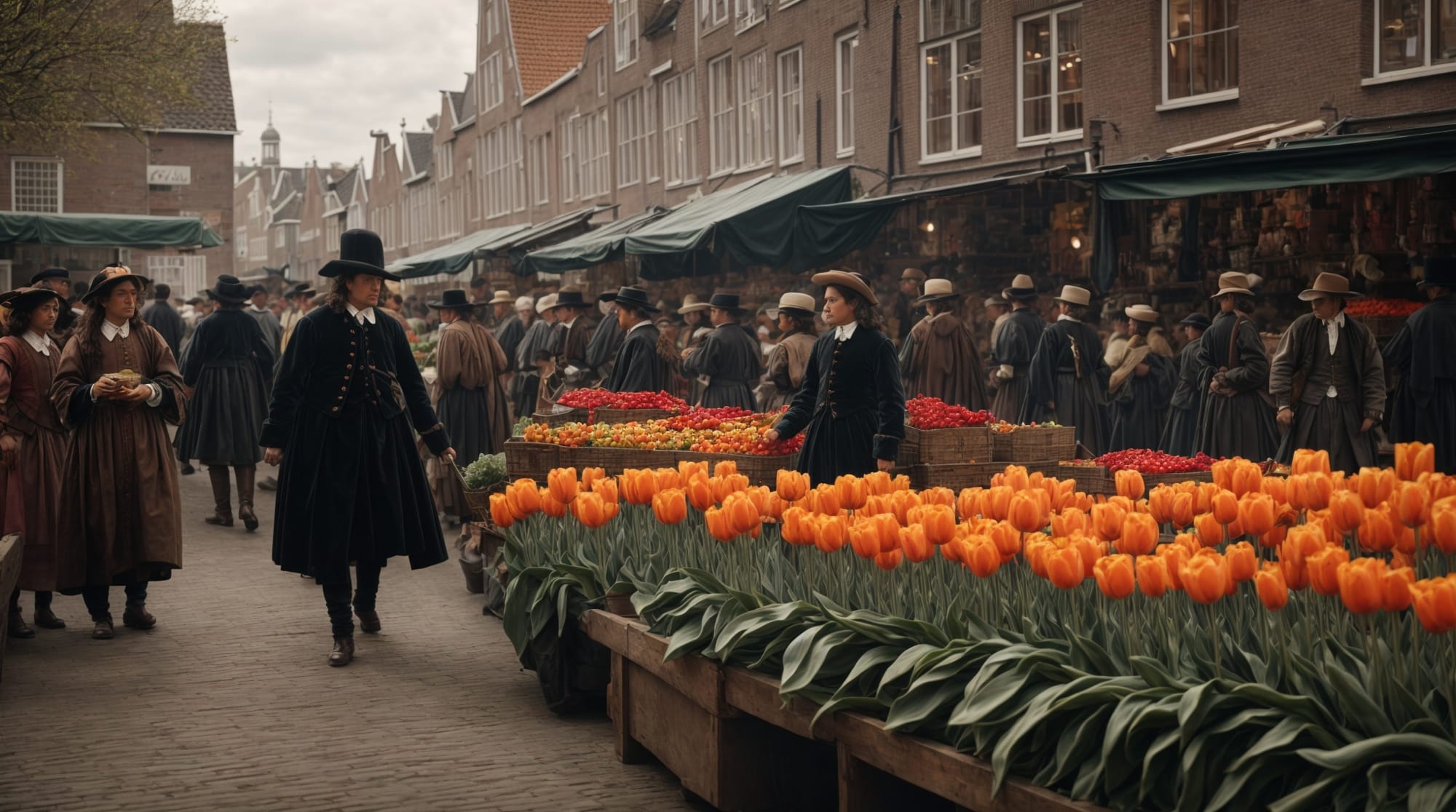
Tulip Mania: Economic Implications and Social Impact
The peak of Tulip Mania saw single tulip bulbs being traded for the price of luxurious homes, showcasing the immense value placed on these flowers. This frenzy had significant economic repercussions which echoed throughout Dutch society, teaching early lessons in economic bubbles and market speculation. Post-mania, tulips remained a symbol of wealth and prosperity in Dutch culture and continued to be celebrated annually in numerous festivals.
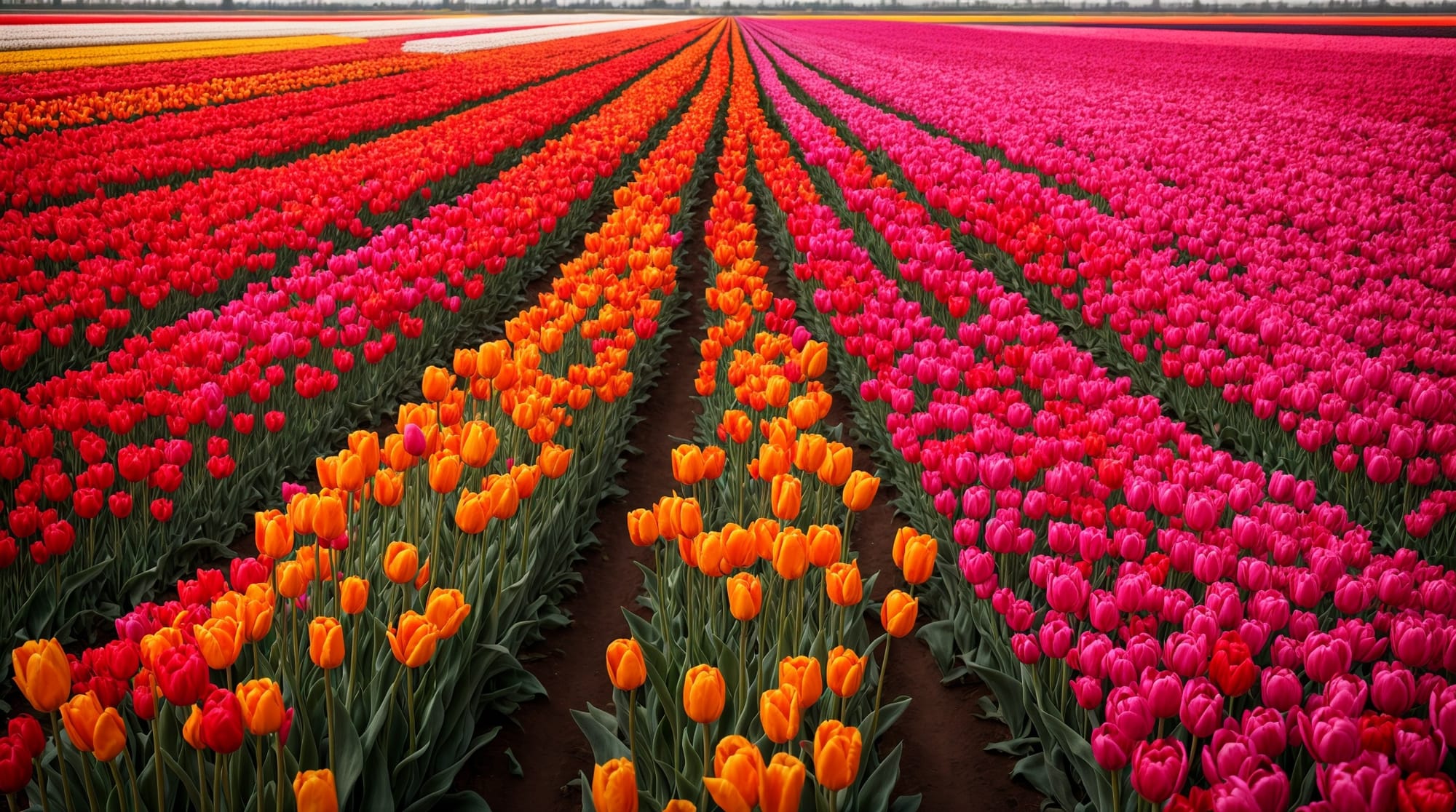
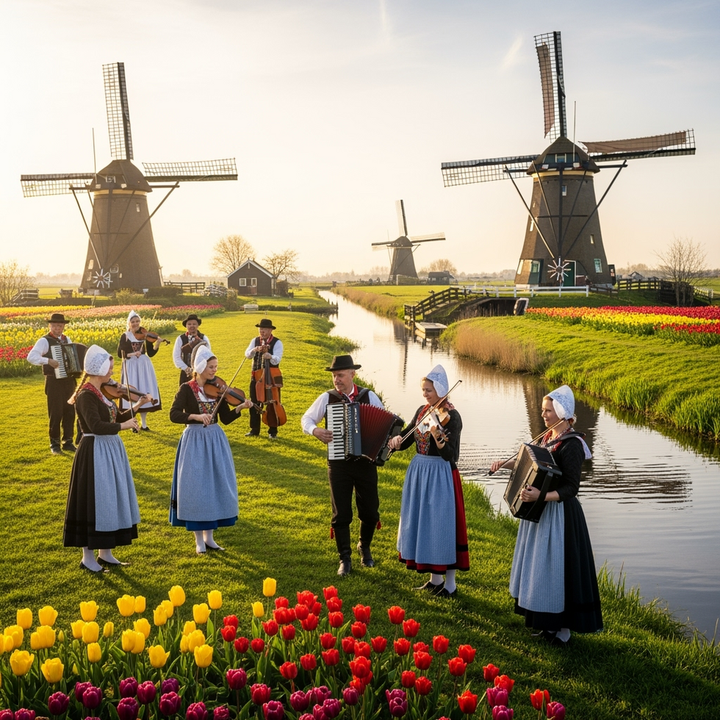
Today, the legacy of tulips is celebrated each spring in the Netherlands, especially during the Tulip Festival, when stunning arrays of tulips bloom across the country. This festival not only attracts tourists from around the globe but also serves as a reflection of the deep-rooted importance of this flower in Dutch heritage. The festival highlights the natural beauty of the landscape and reinforces the Netherlands' reputation as a premier destination for flower lovers and cultural enthusiasts alike.