Delving into Dutch Traditions: A Cultural Entree
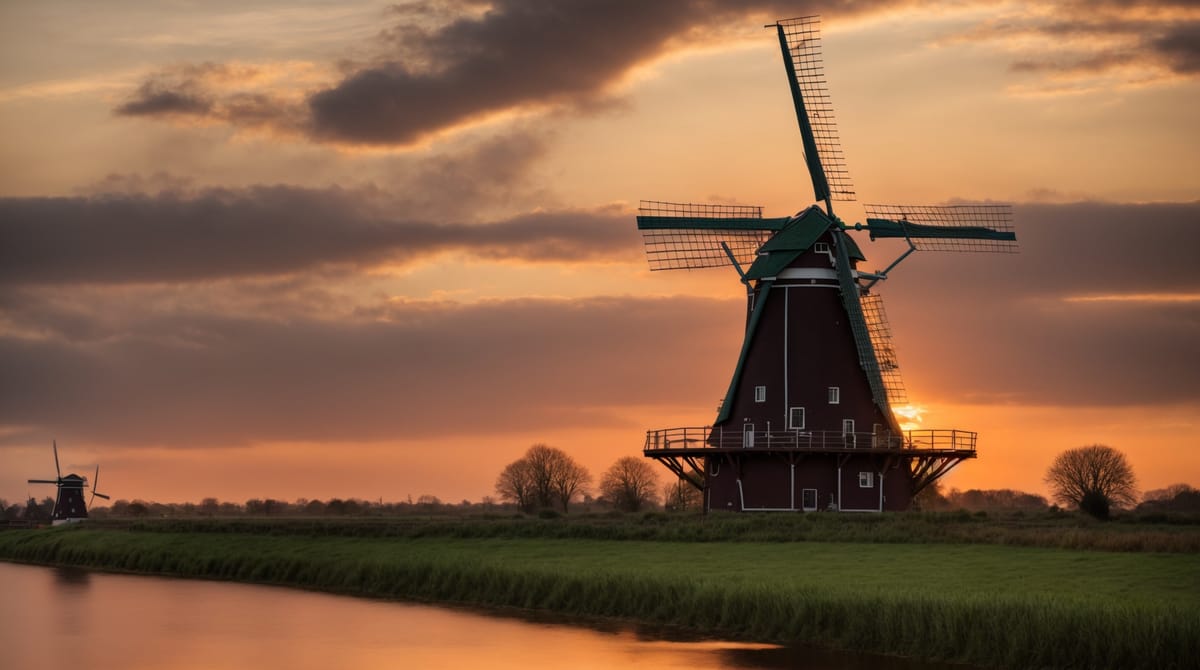
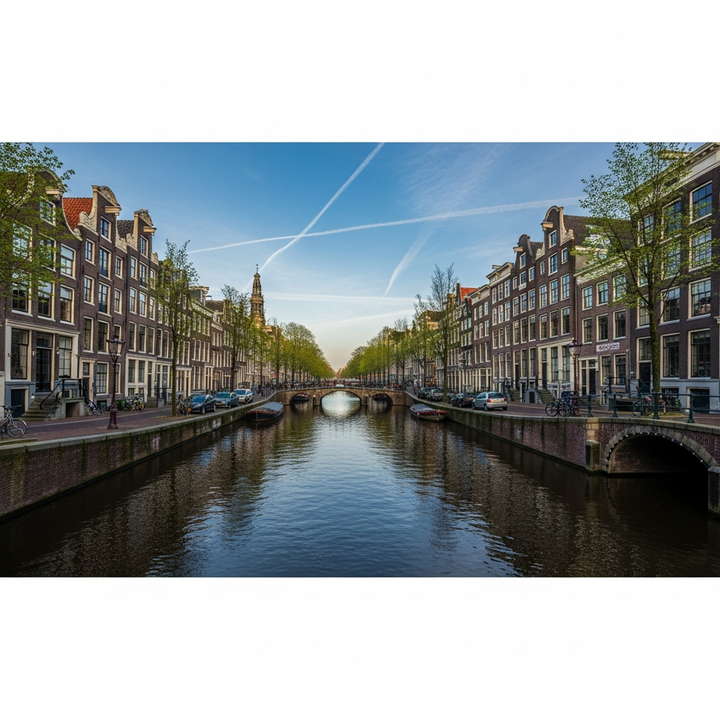
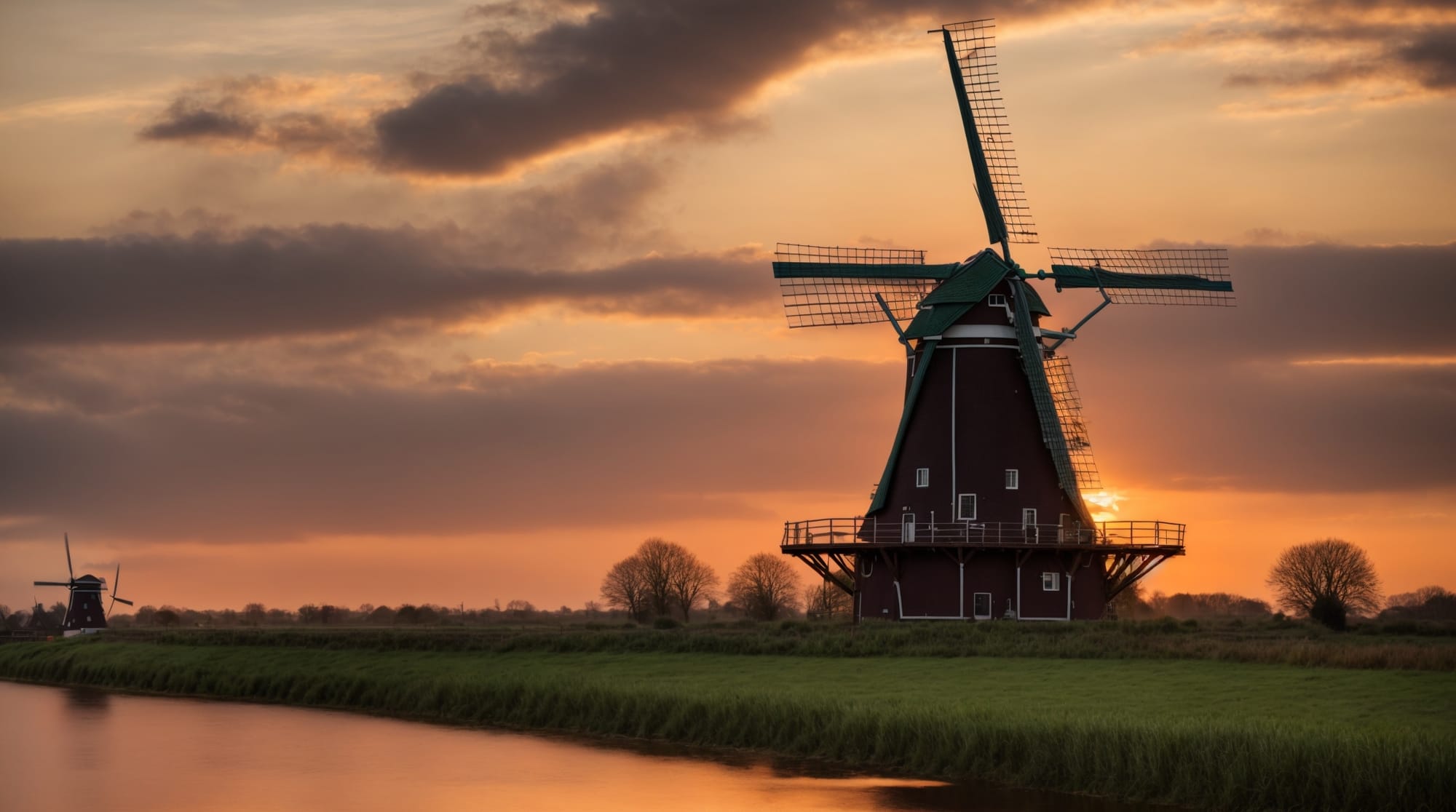
The Netherlands, a country renowned for its flat landscapes and iconic windmills, possesses a cultural depth that transcends its picturesque scenery. Dutch culture is steeped in a history of artistic achievement, maritime trading, and a distinctive approach to social welfare and community living. This article offers you a window into the everyday life and traditions that make Dutch culture vibrant and uniquely compelling.
Historical Roots of Dutch Traditions
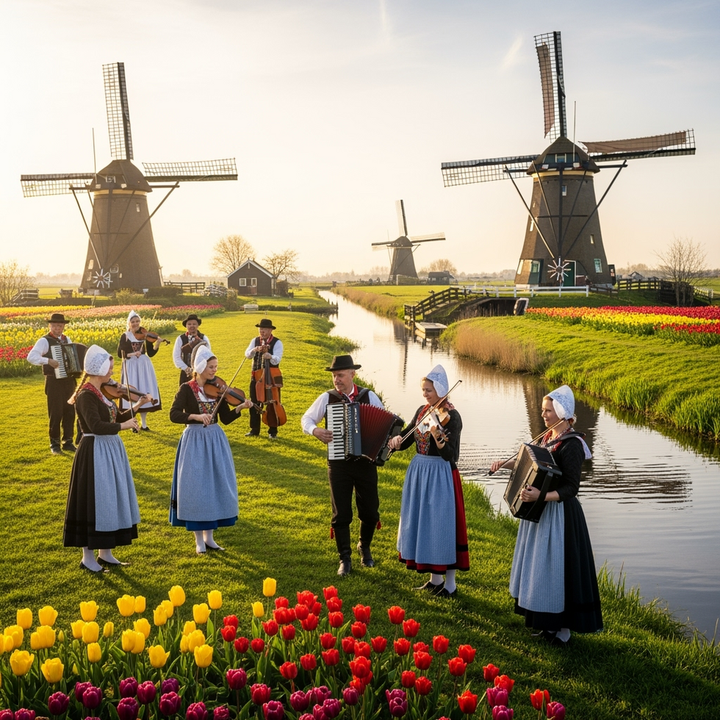
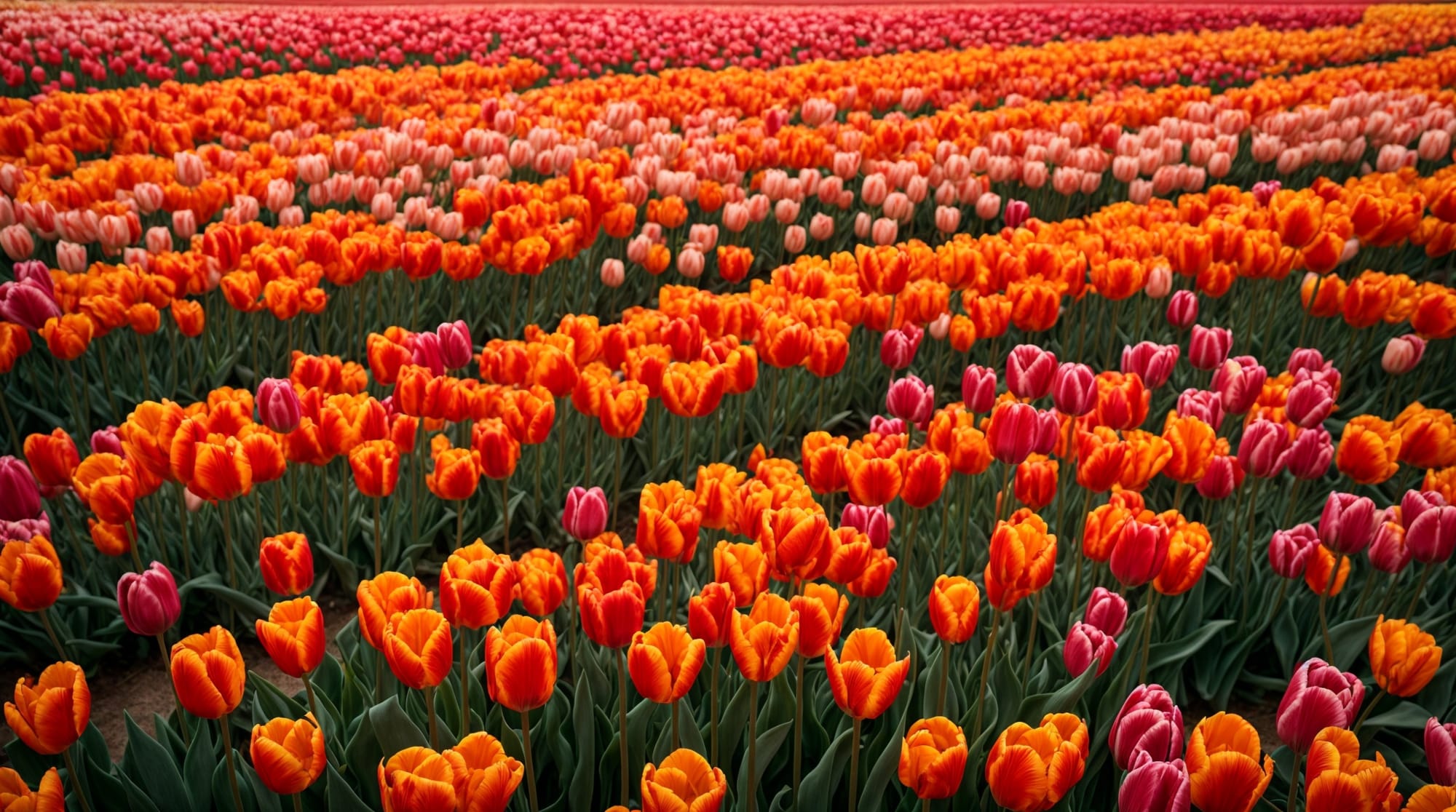
The beginning of what we observe as uniquely Dutch traditions can be traced back to the early medieval times. Festivals, folk dances, and the perpetuation of local crafts have been integral to the Dutch way of living. These elements are not just mere remnants of times gone by; they continue to be celebrated and have evolved to form the cornerstone of modern Dutch societal celebrations, such as King's Day and the famous Tulip Festival.
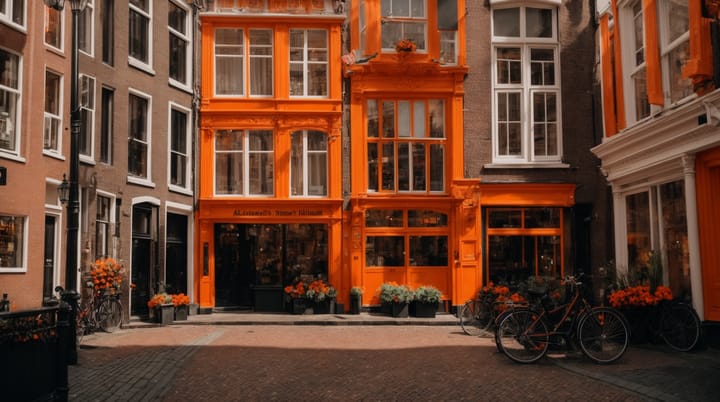
Dutch social life is often characterized by its ordelijkheid (orderliness) and an emphasis on egalitarian principles. The importance of communal living and the widespread use of bicycles are not just out of necessity, but also stem from a deep-seated cultural preference for sustainable and community-oriented living. Dutch cuisine, with its hearty stews and internationally influenced dishes, also reflects the country's historical spice trade routes.
When discussing Dutch culture, one cannot overlook its substantial contribution to the world of art. From the master strokes of Rembrandt to the poignant works of Van Gogh, Dutch art offers a profound insight into the historical and emotional layers of this European society. These artists not only defined an era in art history but also helped shape the cultural identity of the Netherlands.