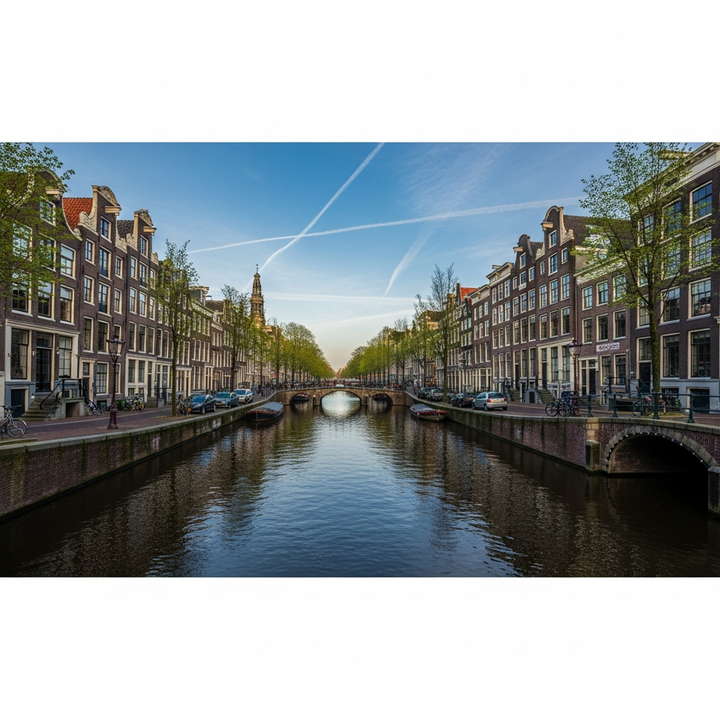
Amsterdam's Transformative Urban Initiatives Highlight Sustainable and Inclusive Growth

Amsterdam Sets New Benchmark with Large-Scale Sustainable Urban Projects
Amsterdam has recently embarked on an ambitious journey to reshape its urban landscape through large-scale sustainable projects aimed at reducing carbon emissions and enhancing quality of life for its residents. Key initiatives include the development of eco-friendly neighborhoods that integrate green spaces, renewable energy sources, and innovative waste management systems. These projects are not only environmentally conscious but also economically beneficial, attracting investments and boosting local employment. The city’s leadership emphasizes a holistic approach that balances infrastructure growth with ecological preservation, setting a global example for other cities aiming to combat climate change while maintaining urban vibrancy. These efforts showcase Amsterdam’s commitment to building a resilient city capable of adapting to future challenges by fostering inclusive and sustainable growth, emphasizing urban regeneration that respects both environmental imperatives and social needs.

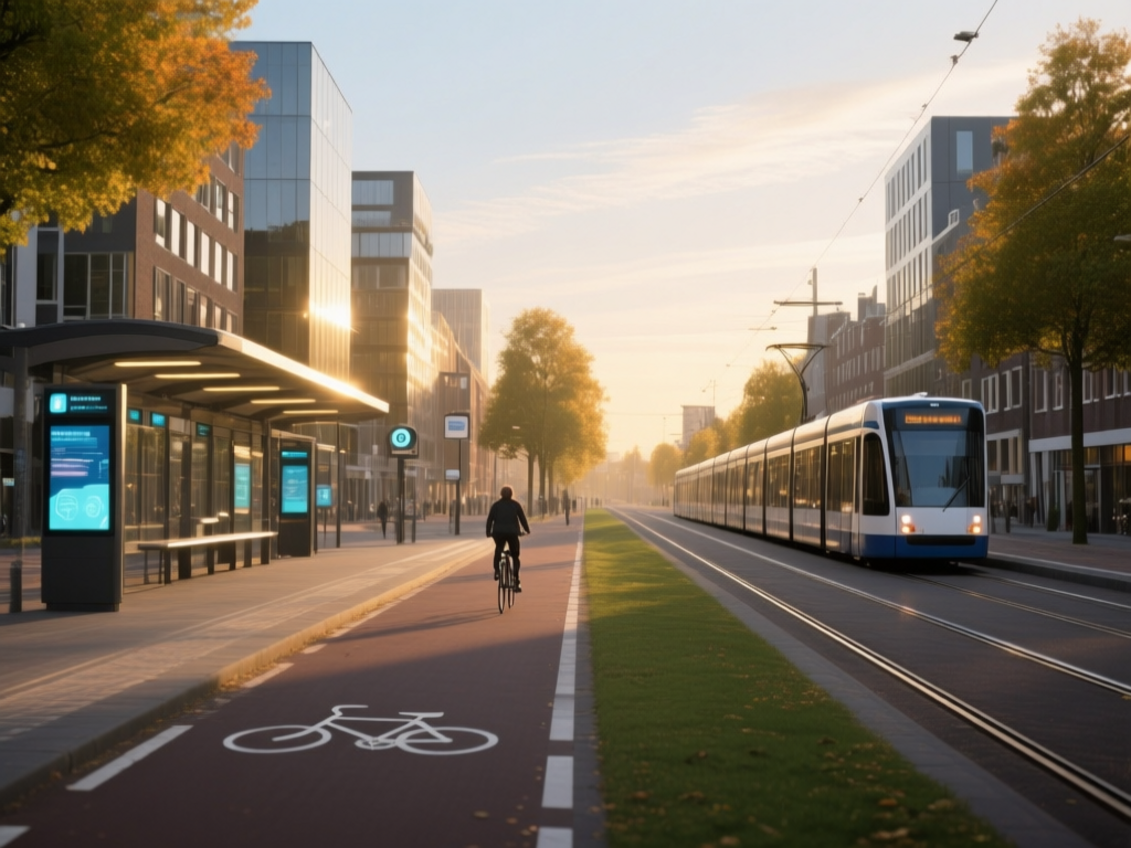
A significant aspect of Amsterdam’s development strategy revolves around technological innovation that modernizes its infrastructure and services. Smart city technologies are being deployed to optimize energy consumption, improve transportation networks, and facilitate data-driven urban planning. For example, integrating IoT devices into public transportation helps reduce congestion and emissions while enhancing commuter experience. The city's commitment to digital transformation is also evident in the rising prominence of integrated mobility solutions, including e-scooters and bike-sharing platforms, which encourage eco-friendly travel modes. Additionally, Amsterdam invests in innovative data platforms that enable city officials to monitor environmental metrics and respond swiftly to emerging issues, ensuring a resilient and future-proof urban environment. With ongoing collaboration between tech companies and government agencies, these advancements aim to attract talent, foster innovation clusters, and position Amsterdam as a global leader in urban technological solutions.
Inclusive Policies Enhance Social Fabric and Civic Engagement
Amsterdam’s approach to urban development goes beyond physical infrastructure, emphasizing social inclusion and community engagement as core pillars. The city government actively implements policies that prioritize affordable housing, access to education, and public health services, making sure that diverse populations feel valued and supported. Recent initiatives include creating multicultural community centers, supporting migrant integration programs, and promoting accessible public spaces that cater to residents of all ages and backgrounds. These efforts aim to reduce inequality and foster a sense of belonging, which are vital for a cohesive urban society. Furthermore, civic engagement is encouraged through participatory planning processes, where residents are invited to contribute ideas and feedback on new projects. This inclusive framework not only helps tailor urban policies to actual community needs but also strengthens social bonds, creating a resilient and vibrant city that celebrates diversity.