Amsterdam Installs Hundreds of Tiny Staircases to Protect Urban Wildlife Along Its Canals
Amsterdam's Creative Approach to Urban Wildlife Conservation
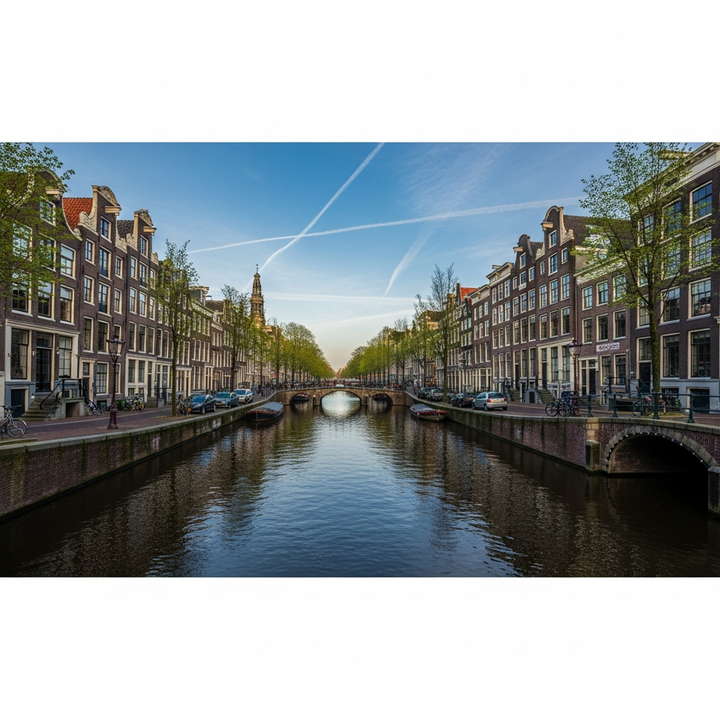
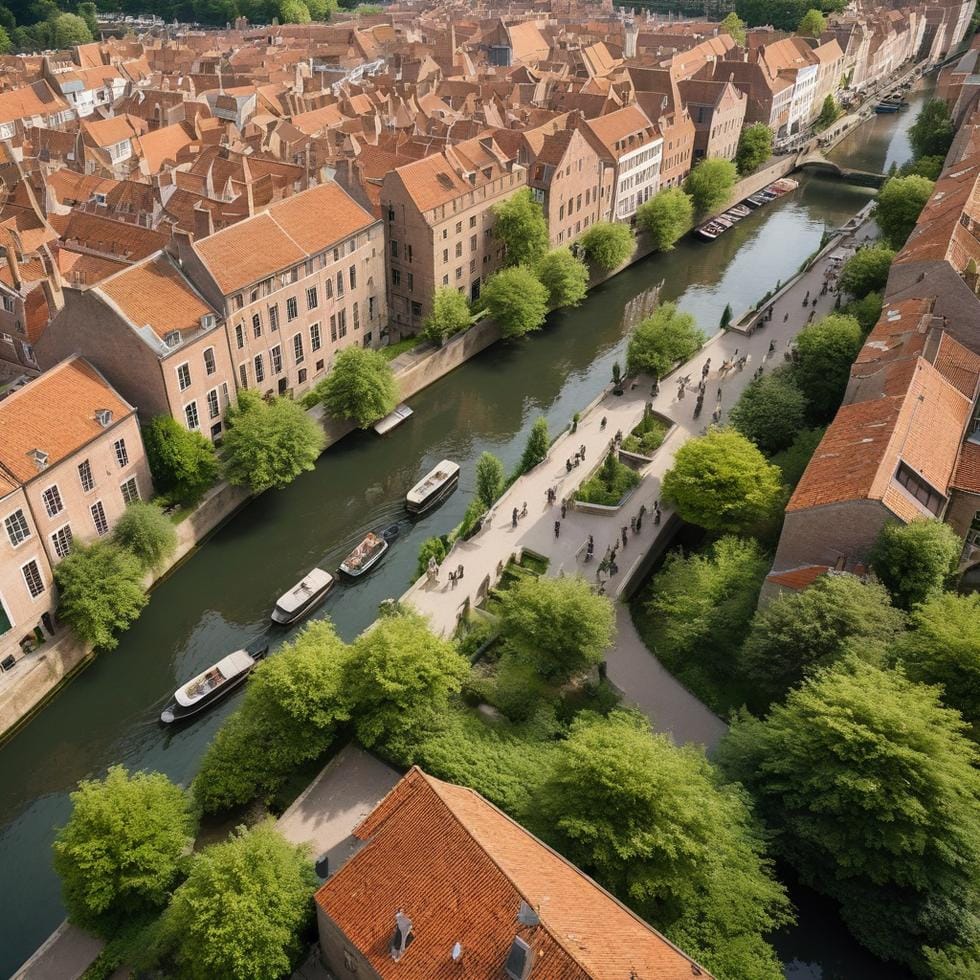
In an impressive stride towards integrating urban development with environmental preservation, Amsterdam has embarked on a unique initiative to install hundreds of tiny staircases along its iconic canals. These miniature structures serve a critical purpose: providing safe passageways for small animals such as hedgehogs, frogs, and other urban wildlife species that often struggle to navigate the complex and often treacherous canal environment. By placing these small staircases strategically across various points along the waterways, city planners aim to facilitate safe crossings, reduce animal casualties, and promote biodiversity within the city's dense urban fabric. This project exemplifies how modern urban planning is evolving to incorporate ecological considerations directly into city infrastructure, ensuring that progress does not come at the expense of local wildlife. The initiative also underscores Amsterdam’s dedication to becoming a more sustainable and wildlife-friendly city, aligning with broader European trends toward integrating nature into urban spaces. The implementation process involved careful mapping of animal crossing hotspots and designing staircases that blend seamlessly into the cityscape while remaining functional for wildlife. This thoughtful approach demonstrates how innovative solutions can address multiple urban challenges simultaneously, fostering a more harmonious coexistence between humans and animals in busy city environments.
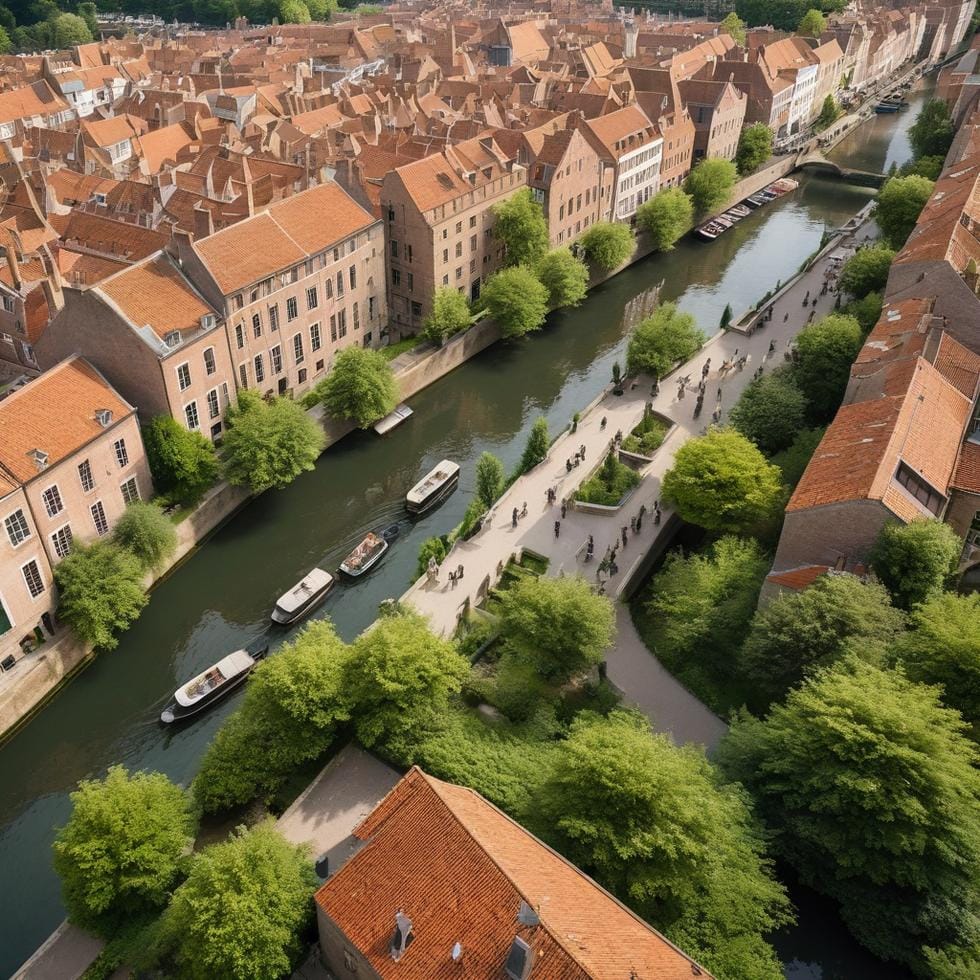
The installation of tiny staircases along Amsterdam’s canals is a pioneering effort to enhance urban ecology by creating safe corridors for small wildlife species, which are often overlooked in city planning. These miniature structures act as connectors, linking fragmented green spaces and waterways that would otherwise be inaccessible or dangerous for animals attempting to traverse the urban environment. In promoting these safe passageways, the city is fostering greater biodiversity and helping sustain local ecosystems that have historically been marginalized in densely populated areas. The initiative also encourages residents and visitors to become more conscious of urban wildlife, fostering a community spirit centered around sustainable coexistence. Moreover, these small-scale interventions exemplify a broader shift in urban planning strategies—prioritizing ecological networks that support resilience and environmental health in the long term. As cities worldwide grapple with increasing urbanization and its impact on local ecosystems, Amsterdam’s innovative approach offers a replicable model for balancing urban growth with nature conservation.

The success of Amsterdam’s tiny staircase project highlights the vital role of community involvement and government collaboration in sustainable urban development. Local residents have been actively participating in monitoring the installations and providing feedback to improve their design and placement. City officials have collaborated with conservation groups, urban planners, and local artisans to create structures that are both functional and aesthetically pleasing. This collaborative effort exemplifies a forward-thinking approach to city management, emphasizing inclusivity and environmental responsibility. By engaging the community, Amsterdam ensures that the project remains adaptable and responsive to the evolving needs of its ecological and human inhabitants. Furthermore, this project serves as a reminder that sustainable city development depends on continuous dialogue among stakeholders, fostering a shared sense of ownership and pride in urban conservation efforts. Other cities contemplating similar projects can learn from Amsterdam’s model of participatory planning that combines ecological mindfulness with community-driven initiatives.