Amsterdam Innovates with Tiny Staircases to Rescue Stray Cats from Canals
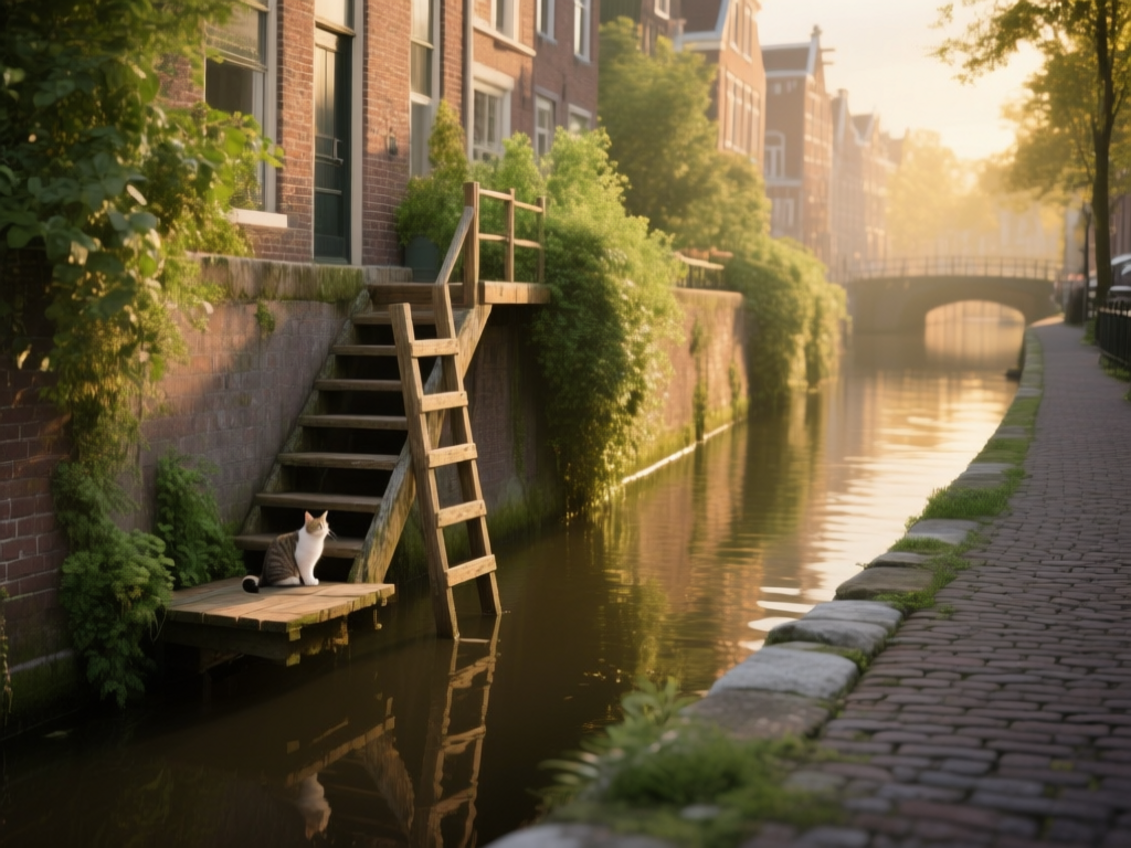
Amsterdam's Creative Solution to a Persistent Urban Problem
Amsterdam, renowned for its picturesque canals and vibrant urban life, faces an ongoing challenge with stray cats navigating the city's waterways. The many waterways, while adding charm to the city, also pose a constant threat to the feline population that often finds itself stranded or at risk of drowning if it falls into the water unexpectedly. Local authorities and animal rights groups have long sought effective methods to mitigate this risk while respecting the cats' natural behaviors. Recently, a creative initiative was launched to address this concern by installing tiny staircases along key canal sections. This innovative approach aims to offer stranded or trapped cats an accessible escape route, reducing their vulnerability and ensuring their safety amid the bustling city. The project exemplifies how urban planners and animal protection organizations can work together to develop compassionate yet practical solutions for coexistence within a densely populated environment. By integrating such features seamlessly into the cityscape, Amsterdam continues to exemplify its reputation as a forward-thinking, animal-friendly metropolis dedicated to maintaining its unique charm while enhancing urban wildlife safety.
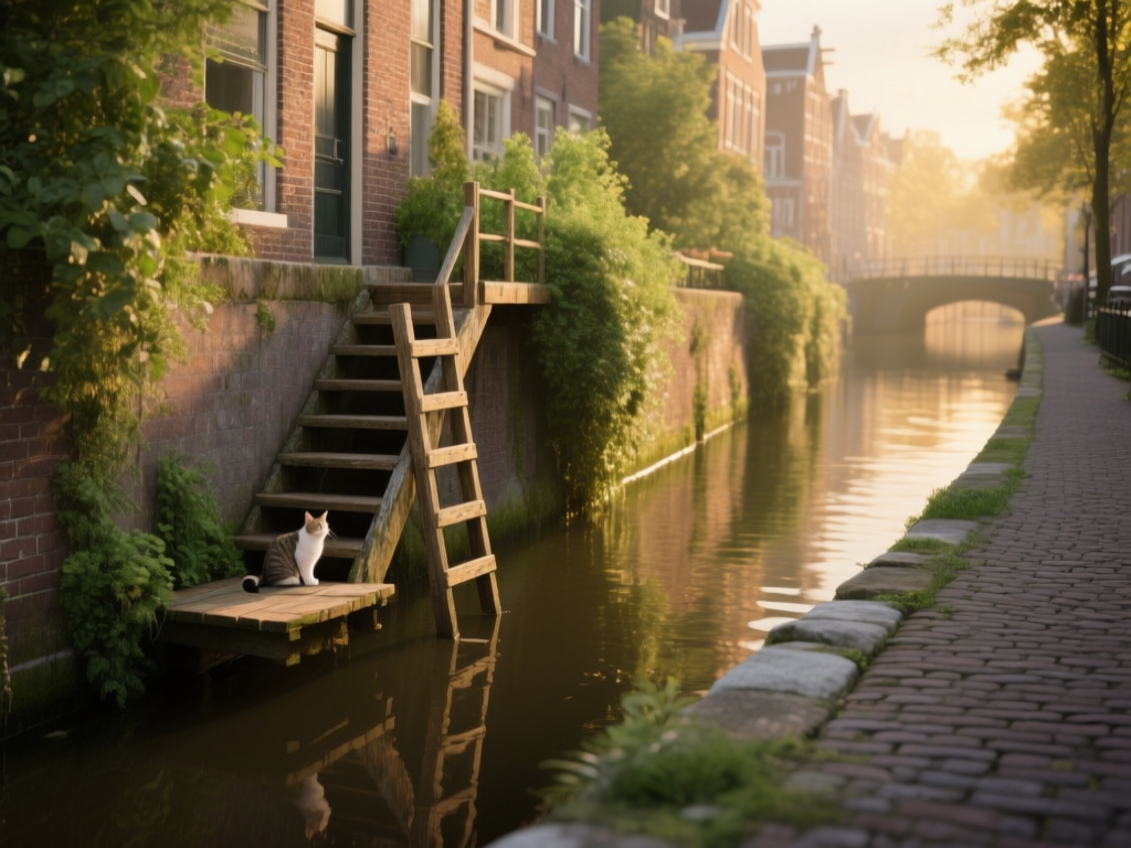
Design and Installation of Tiny Staircases Elevates Urban Animal Rescue Efforts
The process of designing and installing these miniature staircases involves creativity and technical precision. Urban environmentalists, architects, and animal advocates collaborated to develop structures that are both functional and unobtrusive, fitting seamlessly into the city’s architecture and waterways. These staircases are typically made from durable, weather-resistant materials to withstand the elements, ensuring long-term usability. They are strategically placed at points where stray cats are most likely to fall into the water, such as near known feline hotspots or areas with high traffic. The goal is to create an environment that encourages animals to safely exit the canals without risking injury or drowning. This initiative also highlights the importance of considering animal welfare in urban planning, a trend gaining momentum worldwide as cities recognize the interconnectedness of human and animal lives. Such projects could set a precedent for other cities grappling with similar wildlife challenges posed by modern urban landscapes.
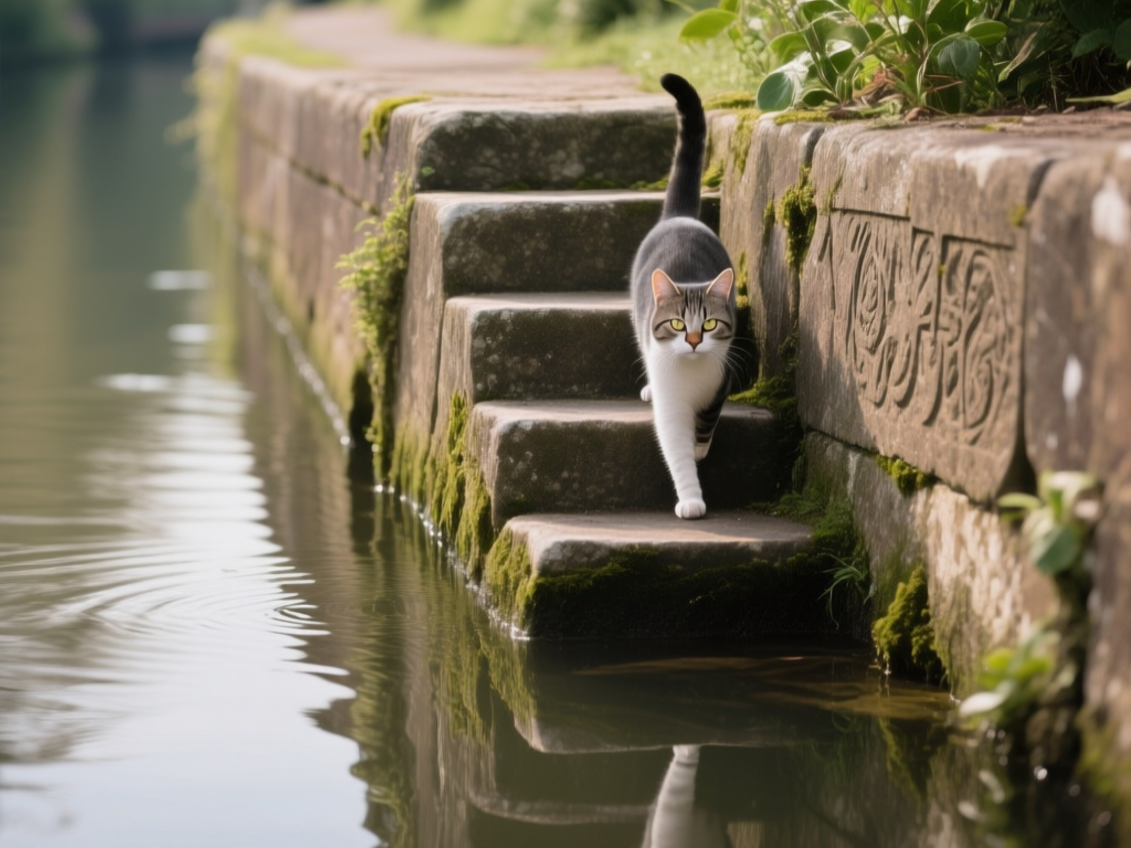
Community Engagement and Future Prospects for Animal-Friendly Infrastructure
The success of Amsterdam’s tiny staircase project relies heavily on community cooperation and continuous monitoring. Residents, local businesses, and animal rescue groups have shown tremendous support by reporting hotspots of stray cats and contributing to the installation and maintenance of the staircases. Educational campaigns also emphasize responsible pet ownership and humane treatment of stray animals, fostering a culture of compassion within the city. The initiative’s ongoing evaluation will assess how effectively these structures help reduce feline drownings and improve overall urban wildlife health. If successful, there’s potential for expanding the program to include other wildlife rescue innovations, such as feeding stations or shelter installations. Amsterdam’s leadership in this area demonstrates how integrating ecological considerations into urban development can lead to safer, more inclusive cities. It also invites other metropolitan areas to reflect on their wildlife challenges and explore creative solutions that blend sustainability with compassion.