Amsterdam Implements Innovative Tiny Canal Staircases to Protect Drowning Cats
Amsterdam's Creative Approach to Urban Animal Safety
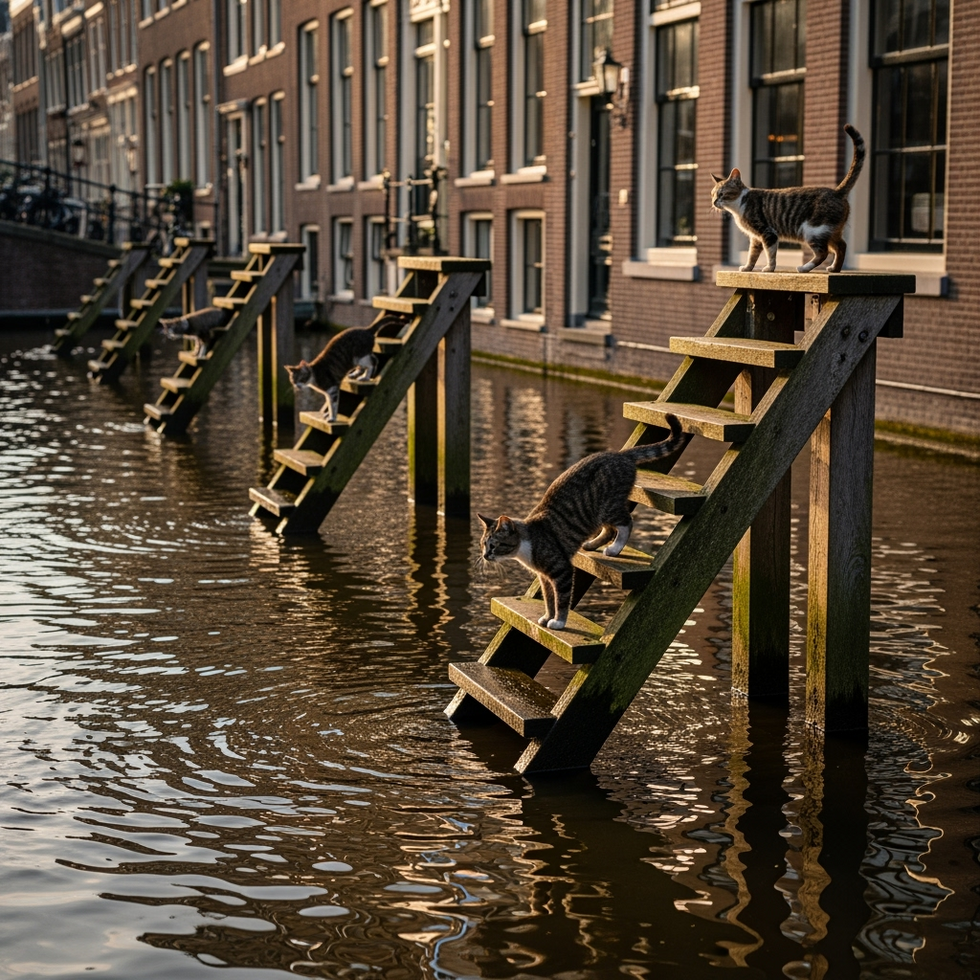
Amsterdam, renowned for its picturesque canals and historic architecture, has taken a surprisingly innovative step to protect its feline residents from the dangers posed by its waterways. Recognizing that stray or outdoor cats often fall into the canals and risk drowning, city officials have initiated the installation of tiny, custom-designed staircases at strategic locations along the waterways. This adaptive urban solution exemplifies how city planning can creatively address animal safety concerns while enhancing the city’s charm. The staircases are crafted to fit the size of an average cat, allowing stranded animals to climb out of the water and rejoin their territory safely, thus reducing unnecessary feline fatalities and promoting a more compassionate urban environment. This effort aligns with ongoing animal welfare initiatives and demonstrates a practical, yet innovative, approach to coexistence between city life and its animal inhabitants. City officials hope that this pioneering project will serve as an example for other urban centers worldwide, emphasizing that even the smallest design changes can have profound impacts on animal lives and community well-being.
Design and Placement of the Tiny Staircases
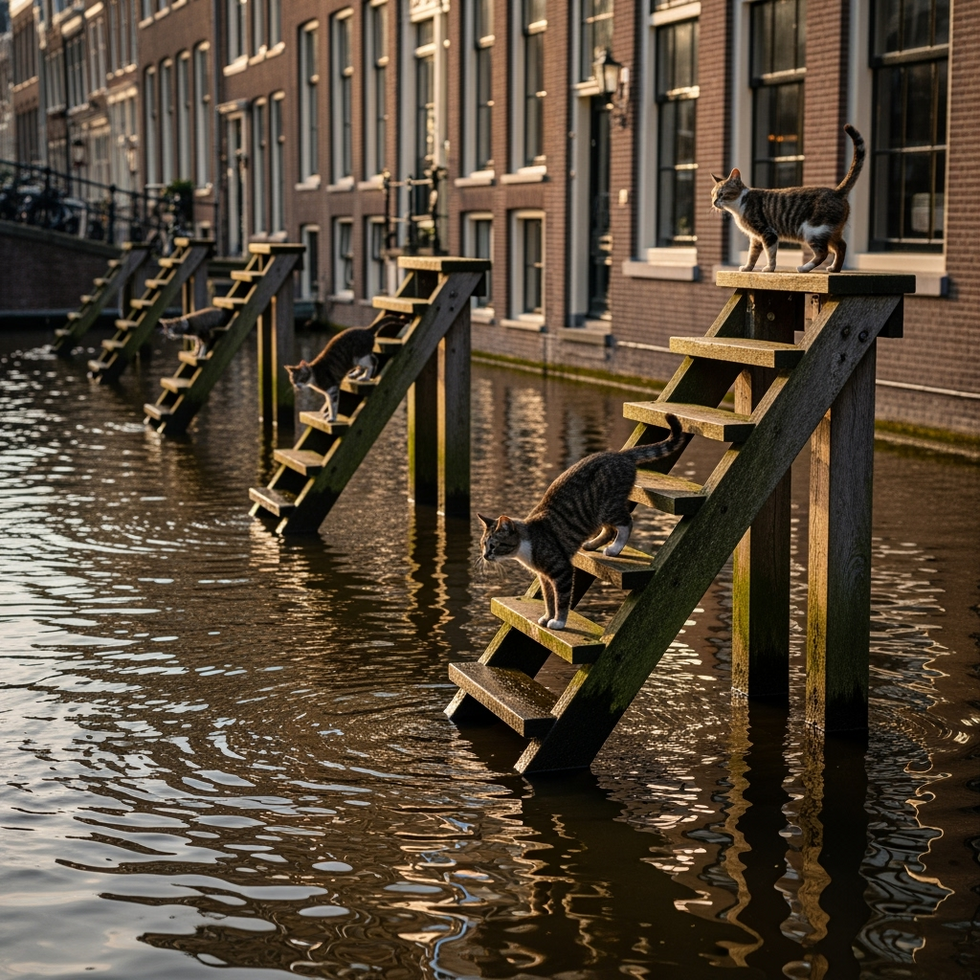
The design process for these tiny staircases involved collaboration between urban engineers, animal behaviorists, and local artisans. Each staircase is constructed from durable, weather-resistant materials capable of withstanding the elements typical of Amsterdam’s damp climate. It’s no small feat to create a structure so functional yet unobtrusive within a historic cityscape that values aesthetic harmony. The staircases are carefully placed at known trouble spots where cats frequently fall in or gather, near busy docks, and along popular walking routes. Their small size is optimized for feline use, with textured surfaces to ensure secure footing even when wet. The innovative design not only helps save lives but also seamlessly integrates into the urban environment, avoiding the visual disruption that could detract from Amsterdam’s aesthetic appeal. City officials have already reported a decrease in drowning incidents in the pilot areas, indicating that these tiny staircases could become a standard feature in urban animal rescue strategies worldwide.
Community Response and Future Prospects
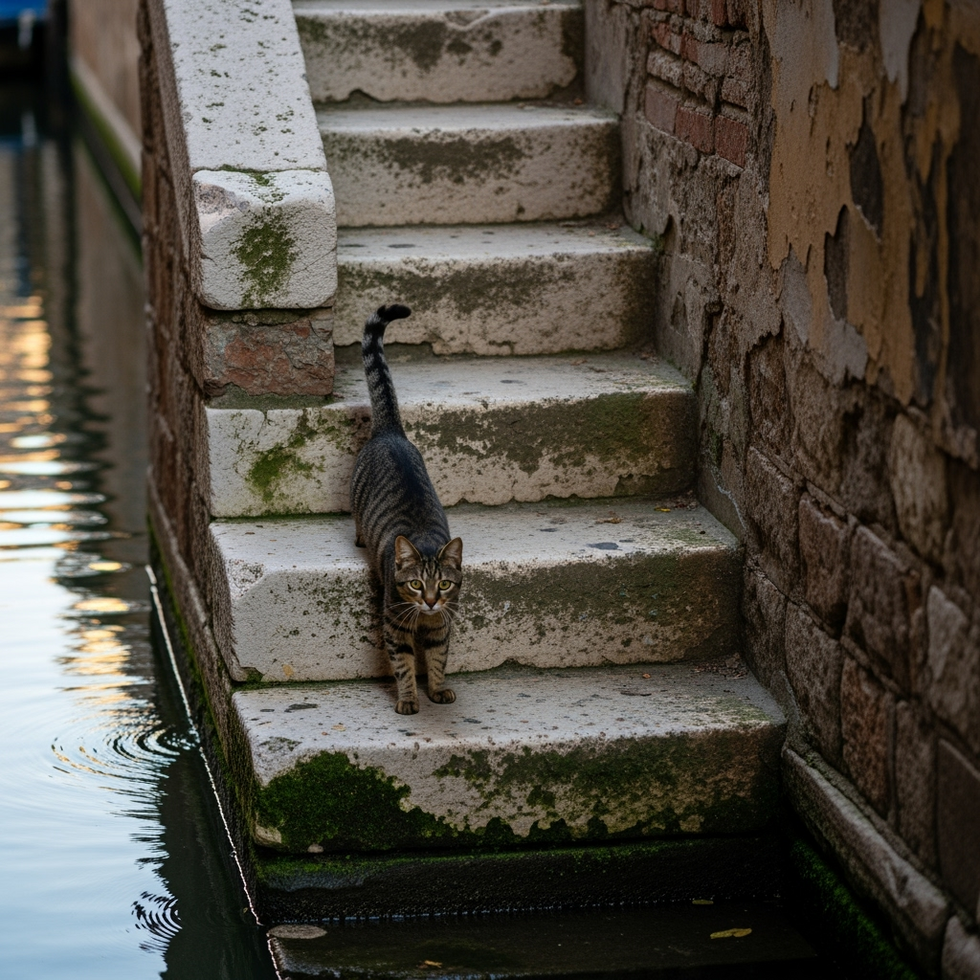
The response from the Amsterdam community has been overwhelmingly positive, with local residents and animal advocates applauding the innovative approach. Many see this initiative as a testament to the city’s commitment to animal welfare and urban sustainability. Local animal shelters have also partnered with city officials to monitor the effectiveness of these installations and gather data for further improvements. There is speculation that similar measures could be adopted not only in Amsterdam but also in other cities with extensive waterways like Venice or Stockholm. The project has sparked discussions about urban wildlife management and the importance of integrating animal rescue features into city planning. As the project gains traction, plans are underway to expand the network of tiny staircases, possibly even incorporating motion-sensitive lighting or sensors to alert residents when a cat is in distress. Overall, this endeavor highlights how small, thoughtful innovations can significantly enhance life quality for both city dwellers and their animal companions.