US Business Restrictions on Canadian Border Spark Concerns over Tourism and Economic Impact
US Border Policies Alter Cross-Border Business Dynamics and Impact Canadian Tourism
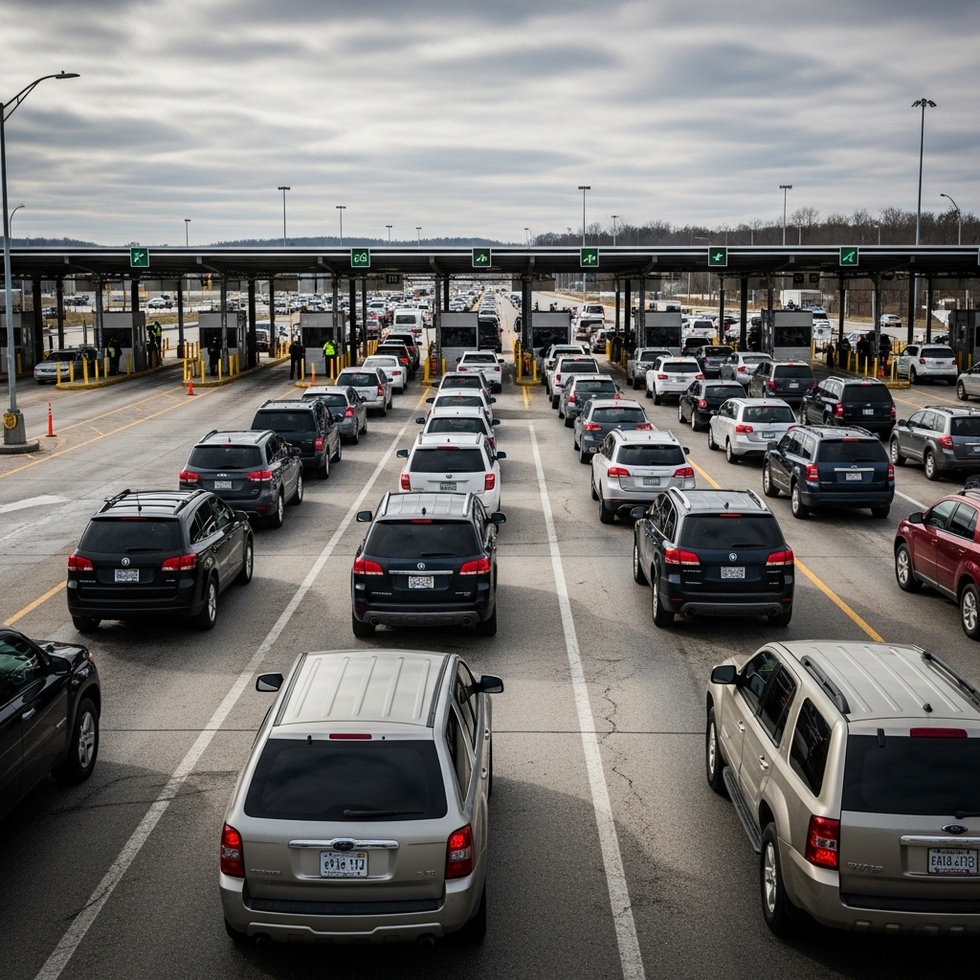
The recent implementation of new border restrictions by the United States has created a ripple effect across North American economic sectors, particularly affecting Canadian tourism and cross-border commerce. These policies, which include tighter surveillance, reduced capacity for crossings, and increased documentation requirements, aim to bolster national security but have inadvertently hindered the seamless flow of people and goods between the two countries. Businesses on both sides are feeling the pinch as tourist numbers decline, and logistical delays become more frequent. In particular, regions heavily reliant on Canadian visitors, such as border states like New York and Michigan, are witnessing a noticeable downturn in revenue. Small businesses that depend on this tourism, including hotels, restaurants, and retail outlets, are voicing concerns about their financial stability amidst these policy changes. Economists warn that if these restrictions persist long-term, the economic connection between the US and Canada could weaken, leading to broader impacts on regional growth and stability.
Economic Ramifications and Uncertainty for Businesses on Both Sides
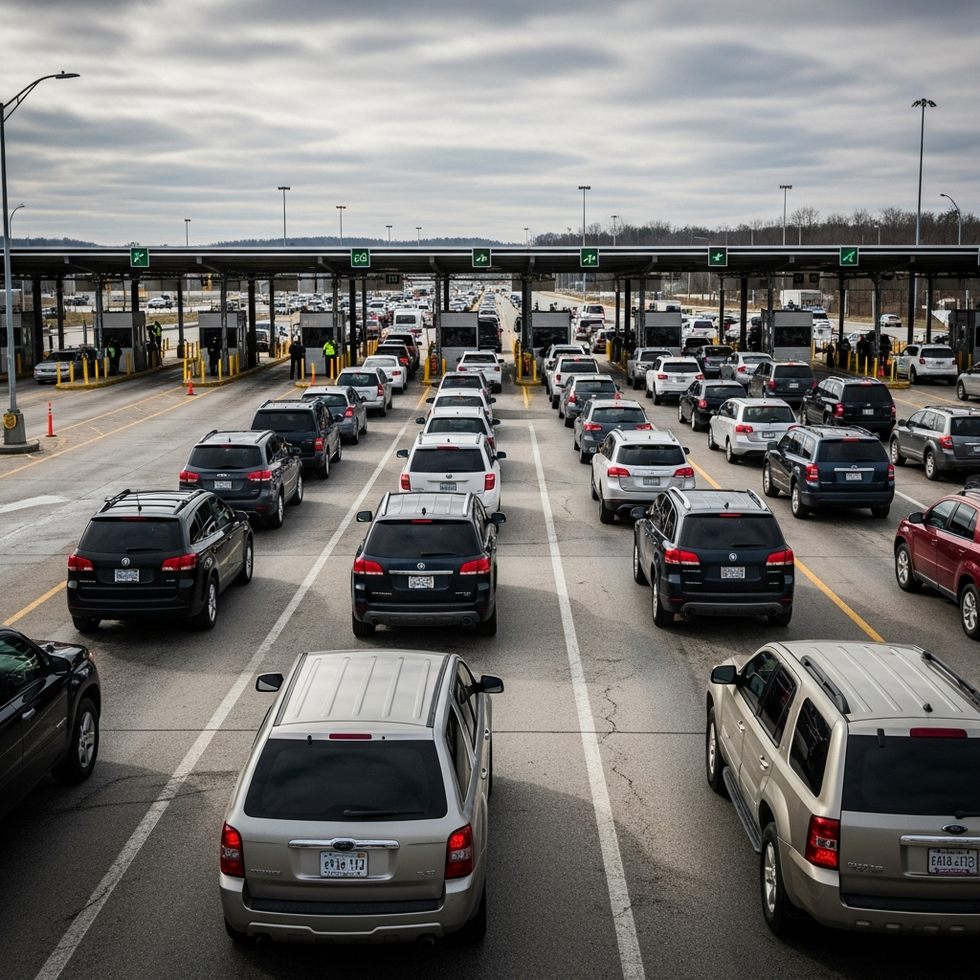
The economic consequences of these border policies extend far beyond immediate travel disruptions. Cross-border trade, which accounts for billions of dollars annually, faces new hurdles due to logistical delays and increased costs. Companies engaged in import-export activities are finding it more challenging to maintain efficient supply chains, leading to inventory shortages and increased operational expenses. Canadian exporters, especially those in the agriculture and manufacturing sectors, are experiencing decreased demand from US buyers as uncertainty grows around border policies. Similarly, US businesses that rely on Canadian raw materials and components face similar challenges, which could drive up prices and reduce competitiveness. Industry leaders warn that sustained restrictions may lead to a decline in bilateral trade volumes, ultimately affecting economic growth and employment rates in both countries. This evolving situation underscores the critical need for dialogue and policy adjustments to balance security concerns with economic vitality.
Potential Diplomatic Responses and Future Outlook for North American Relations
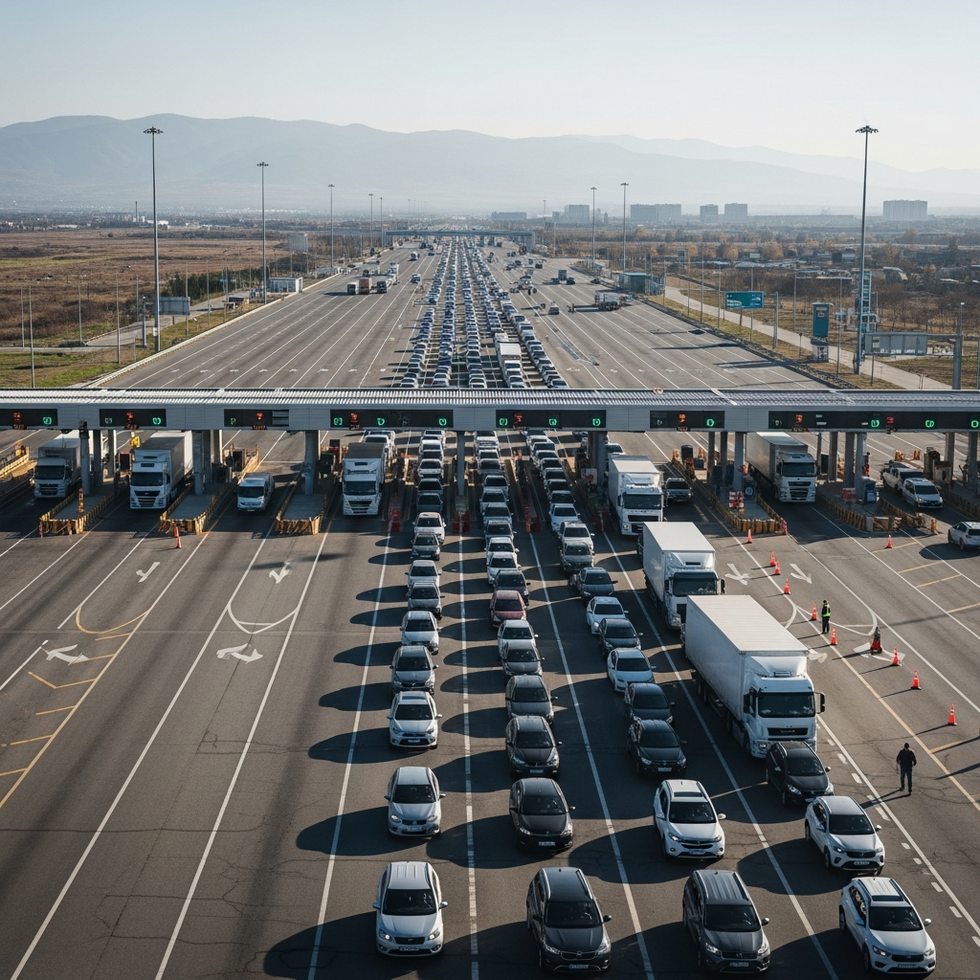
As economic pressures mount, policymakers on both sides are under increasing pressure to find common ground and revise border policies. Diplomatic conversations are reportedly underway, aiming to ease some restrictions that have sparked controversy and economic strain. Officials from Canada have expressed concern over the impact on tourism and bilateral trade, advocating for measures that prioritize both security and economic cooperation. Meanwhile, some US business associations are calling for more streamlined border procedures to support economic recovery. The future trajectory of these policies remains uncertain, but experts agree that sustainable solutions require collaboration, trust, and mutual understanding. If successful, renewed cooperation could foster a balanced approach that safeguards national interests while revitalizing cross-border flows, ultimately strengthening the long-standing economic relationship between the US and Canada.