Unveiling the Charm and Practicality of City Tours for Modern Travelers

The Rising Popularity of City Tours as a Travel Trend
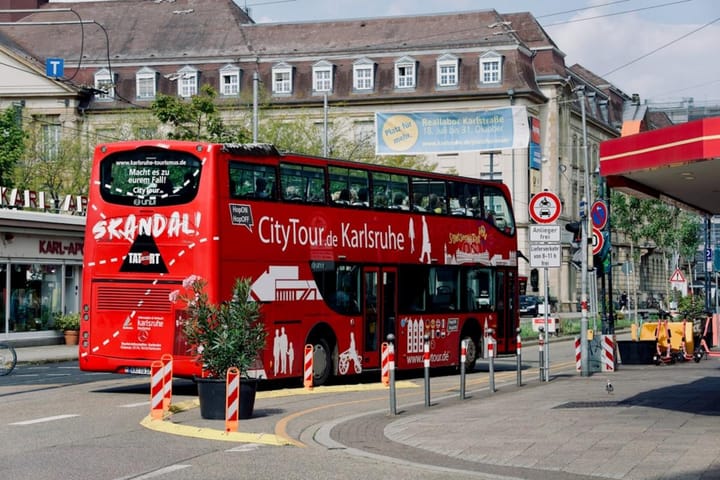
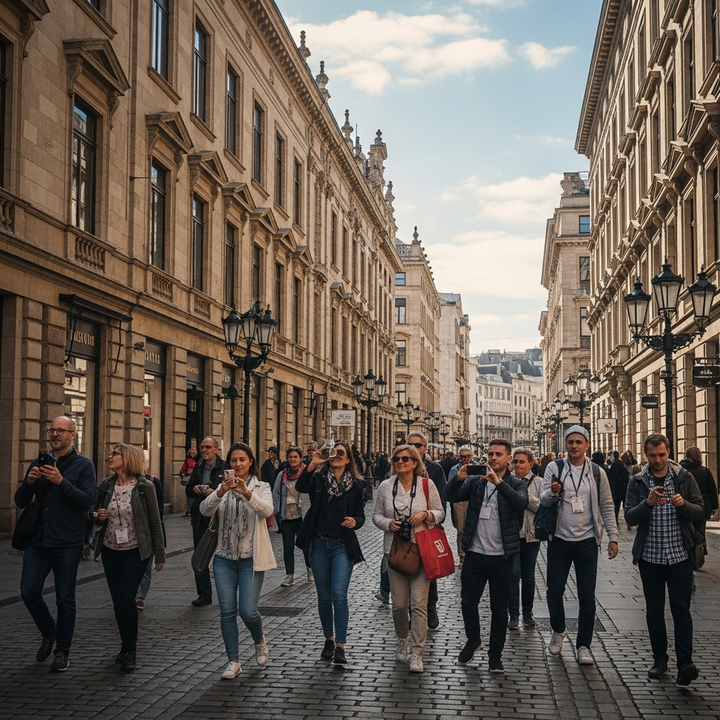
In recent years, the landscape of travel has shifted significantly, with city tours emerging as one of the most sought-after activities for travelers eager to delve into the heart of urban environments. Unlike traditional sightseeing that lacked depth and personal connection, modern city tours emphasize immersive experiences that blend history, culture, and local flavor into a cohesive adventure. As the world becomes increasingly interconnected, travelers are seeking more than just superficial visits—they want stories, genuine interactions, and a sense of place. City tour companies have responded by offering a variety of options ranging from guided walking routes through centuries-old neighborhoods to innovative bicycle tours that combine exercise with exploration. These experiences not only enhance understanding of a city’s heritage but also provide insight into contemporary life, making every outing an educational journey as well as an entertaining activity. In addition, the rise of digital booking platforms has made these tours more accessible, allowing travelers to customize their itineraries according to personal interests and schedules. This shift signifies a profound movement towards experiential travel, where the goal is to create memories, foster connections, and foster a deeper appreciation for the unique stories cities have to tell.

Personalization and Technology Transforming Urban Adventures
One of the most exciting developments in the realm of city tours is the integration of cutting-edge technology, which has revolutionized how travelers experience urban environments. Personalized city tours, often facilitated through mobile apps or online platforms, allow visitors to tailor their journey based on their interests, whether it's art, history, cuisine, or local music scenes. Virtual guides, interactive maps, and augmented reality features enhance the experience, providing real-time information and immersive storytelling that captivates travelers at every step. For example, apps like **Viator** and **GetYourGuide** enable users to access a broad range of tours, from historical walkabouts to food tasting adventures, all customized to suit individual preferences. As smartphones become increasingly sophisticated, travelers can navigate unfamiliar cities with confidence, gaining rich insights without the need for bulky paper guides. This blend of personalization and technology fosters a more engaging and autonomous journey, allowing adventurers to explore at their own pace while still enjoying the expertise of local guides. Consequently, city tours are evolving from generic group activities into highly personalized, tech-enabled experiences that resonate with modern travelers' desire for uniqueness and flexibility.
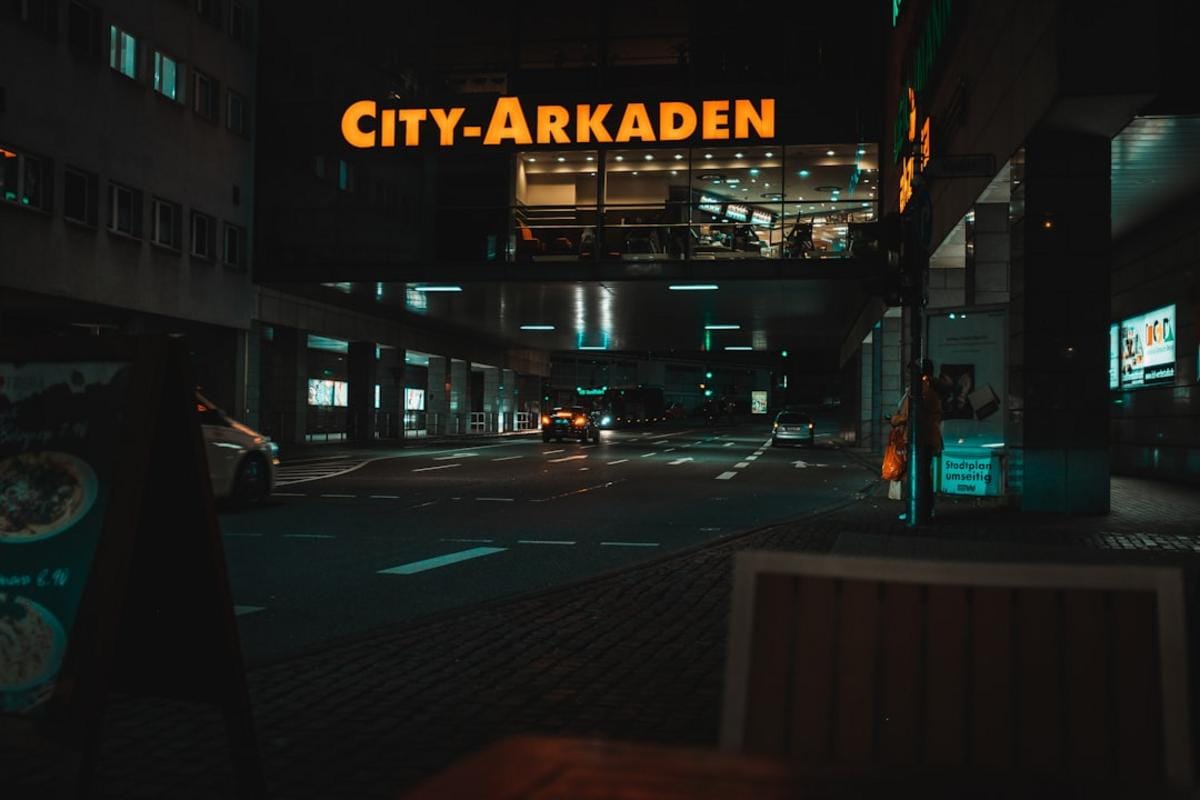
Sustainable and Authentic Experiences Respecting City Cultures
As global awareness of environmental and cultural preservation grows, city tours are increasingly embracing sustainable practices that minimize ecological footprints while enhancing authentic engagement. Eco-conscious travelers now prioritize tours that support local communities, use eco-friendly transportation, and promote cultural sensitivity. Many tour operators incorporate small-group formats to reduce environmental impact and foster more meaningful interactions between visitors and residents. Moreover, authentic experiences such as visiting local markets, participating in traditional craft workshops, or enjoying neighborhood food tours have gained popularity because they facilitate genuine cultural exchange. These tours help sustain local livelihoods and promote respect for cultural heritage. Travelers are encouraged to choose operators that adhere to responsible tourism standards, ensuring that their explorations contribute positively to the areas they visit. Cities like Barcelona, Bangkok, and Medellín, for example, offer sustainable travel options that balance sightseeing with community support. Embracing these practices not only enhances the overall experience but also ensures that city tours serve as tools for cultural preservation and environmental stewardship, aligning travel with broader social responsibilities.
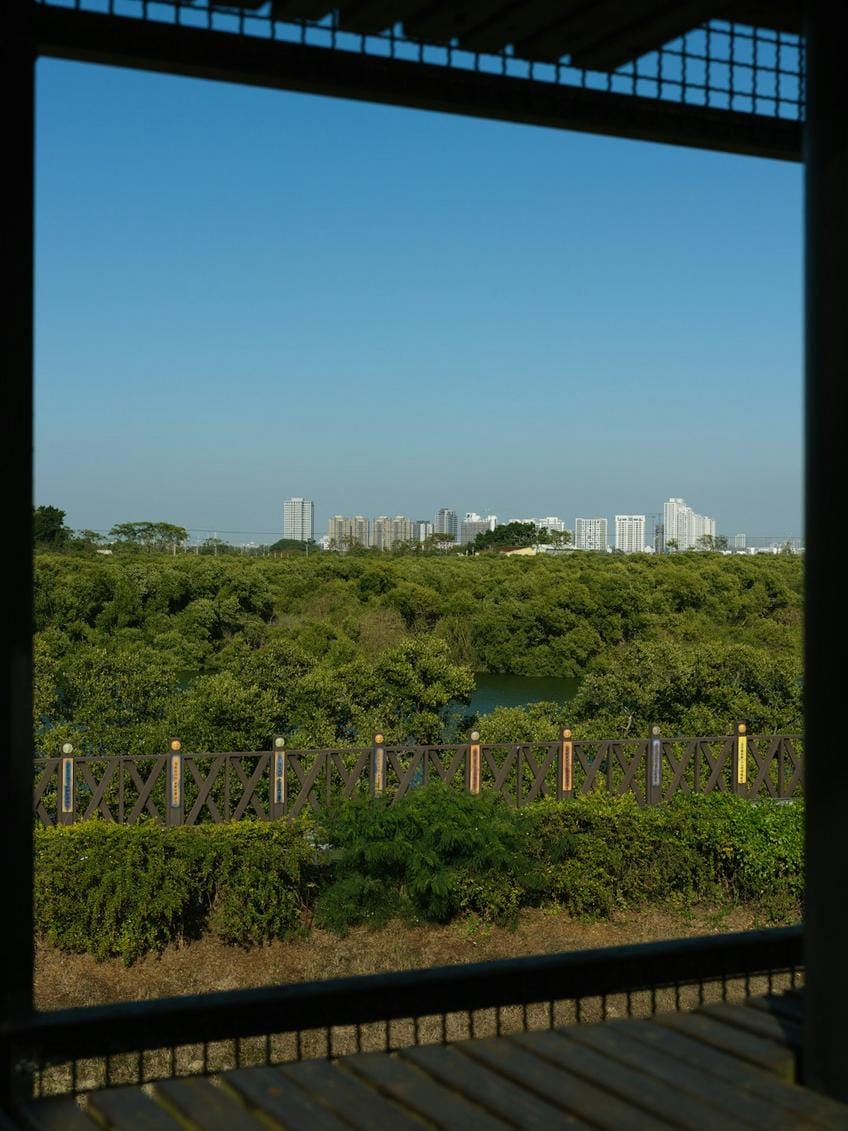
The Future of City Tours Embraces Innovation and Inclusivity
Looking ahead, the evolution of city tours is poised to integrate even more innovative concepts aimed at increasing accessibility and inclusivity. Virtual reality (VR) and 360-degree videos are already providing a taste of cities for those who cannot travel physically, opening new avenues for remote exploration. Additionally, diverse and inclusive tour offerings are emerging to ensure that all travelers, regardless of age, ability, or background, can enjoy urban adventures. Special needs-friendly routes, multilingual guides, and culturally sensitive programs reflect the industry’s commitment to accommodating a broad spectrum of visitors. Cities like Tokyo, Lisbon, and New York are pioneering initiatives that prioritize inclusivity, ensuring that their urban stories can be appreciated by everyone. With the rise of eco-friendly transportation modes such as e-bikes and solar-powered shuttles, missed environmental footprints are also addressed. As technology, sustainability, and inclusivity continue to shape the future of city tours, travelers can expect richer, safer, and more accessible experiences that deepen their understanding and appreciation of urban life while respecting the diverse fabric of each city.