Travel Influencers' Rise Boosts Tourism in Taliban-Run Afghanistan
Social Media Influencers Transform Afghanistan's Tourism Image Despite Political Challenges
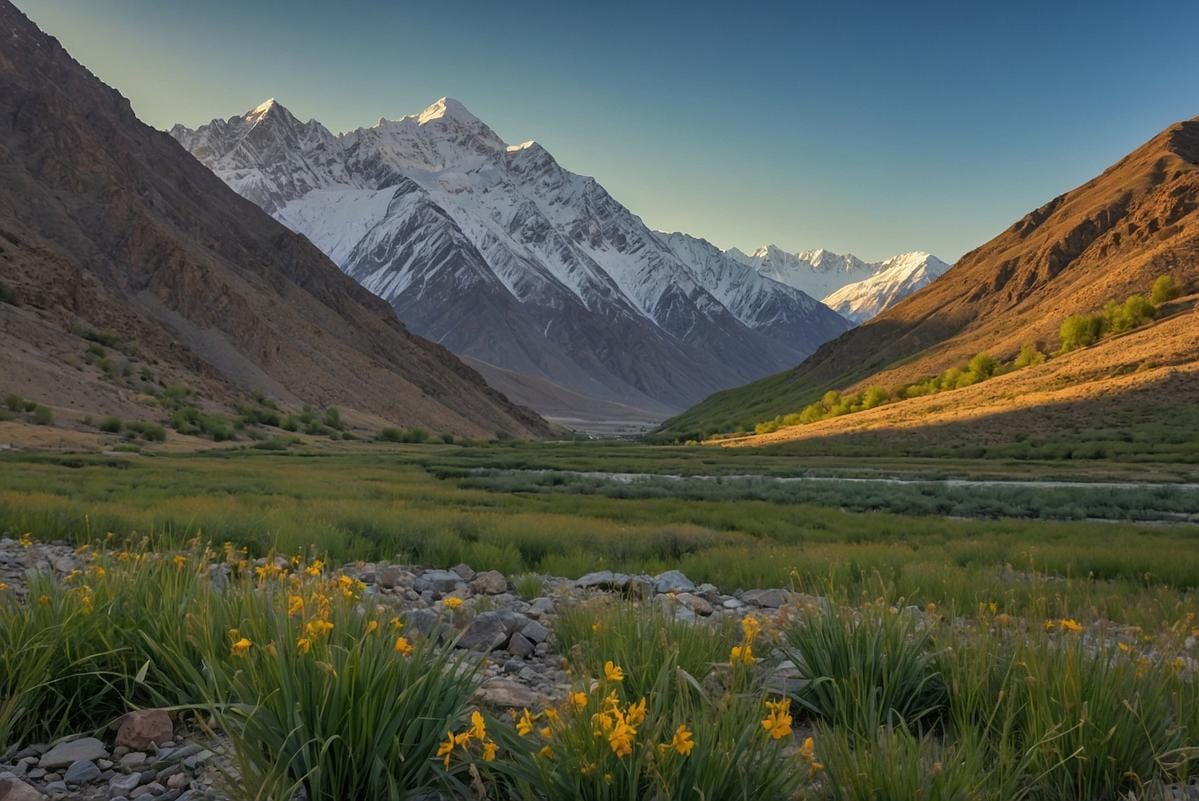
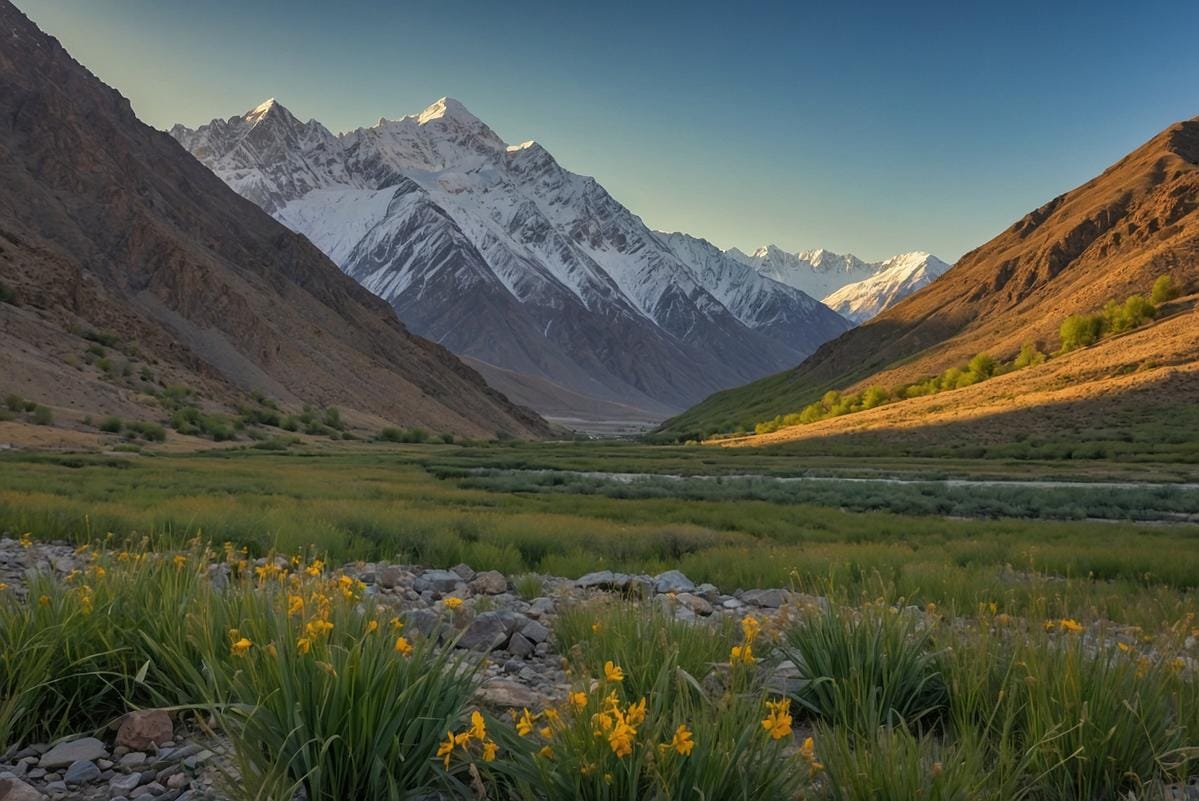
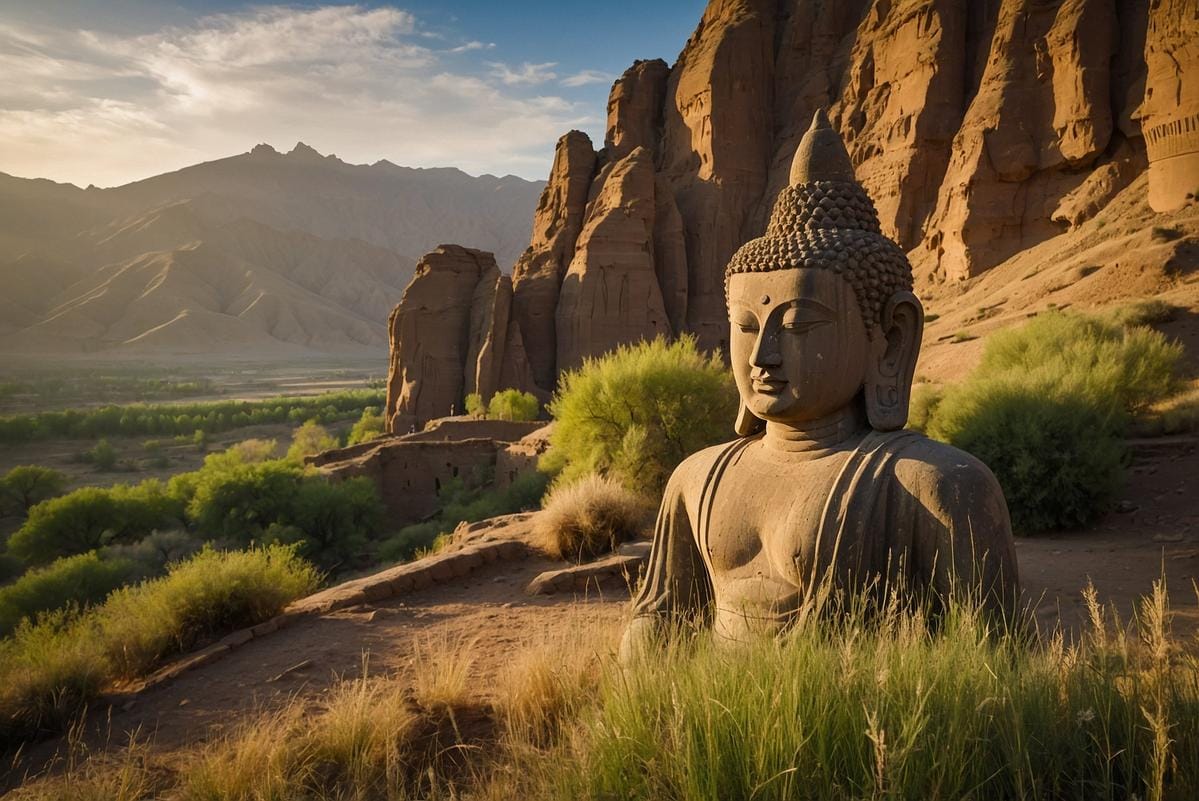
In recent years, Afghanistan has faced a complex reputation worldwide, primarily associated with conflict and political instability. However, a new wave of social media influencers is gradually reshaping this narrative by showcasing the country's stunning landscapes, historic sites, and cultural heritage through platforms like Instagram and TikTok. These influencers, often traveling under the radar and within the limits posed by the current Taliban regime, are focusing on highlighting areas that remain accessible and safe for visitors. Their posts feature images of scenic mountain vistas, ancient archaeological sites, traditional markets, and local festivals, painting a different picture from the everyday media reports. By doing so, they aim to shed light on the country's natural beauty and rich history, encouraging curiosity and travel among their followers despite ongoing restrictions. Their efforts are significant because they circumvent traditional travel advertising channels dependent on government endorsements, relying instead on authentic personal experiences that resonate with viewers worldwide. This grassroots approach to tourism promotion not only challenges prevailing stereotypes but also subtly promotes the idea that Afghanistan has more to offer than its conflicts suggest, fostering a unique bridge between tourists and local communities. These influencers face substantial risks and limitations but demonstrate resilience and creativity in their efforts to spotlight Afghanistan’s less-explored destinations, ultimately contributing to a slowly changing perception abroad.
Navigating Restrictions and Showcasing Hidden Gems Amid Political Constraints
Despite the ongoing political upheavals and travel restrictions imposed by the Taliban, influencers have adapted their strategies to continue promoting Afghanistan's scenic and cultural assets. Many of these content creators focus on less sensitive areas that remain accessible, such as remote mountain regions, historic towns, and areas with traditional markets. They often emphasize cultural preservation and local craftsmanship, subtly advocating for tourism without directly challenging political boundaries. Through discreet travel and careful framing of their content, these influencers are attempting to bypass restrictions while still highlighting the country's unique features. Their approach underscores the resilience and ingenuity necessary to promote tourism under complex circumstances, aiming to improve Afghanistan’s image gradually and support local economies. Many followers of these influencers appreciate the authentic, unfiltered perspective they provide, which contrasts sharply with official narratives. Consequently, these digital storytellers are playing a vital role in introducing Afghanistan to a broader audience, breaking down misconceptions, and inspiring future travelers to explore the country’s lesser-known but mesmerizing destinations.
The Impact of Digital Promotion on Afghanistan’s Rising Tourist Interest
The influence of social media on tourism worldwide is well documented, and Afghanistan is no exception. As influencers continue to share compelling images and stories from the country, there is growing interest among international travelers seeking authentic and adventurous experiences. This surge is partially driven by the allure of discovering untouched landscapes and unspoiled cultural traditions. The digital promotion creates a virtual travel experience that can entice viewers into planning their journey, even in the face of logistical and political challenges. Moreover, some travel companies are beginning to recognize this potential by offering specialized tours and packages designed to operate within the current restrictions, emphasizing cultural exchanges and eco-tourism. Such initiatives are helping to boost local economies and provide employment opportunities in the tourism sector. Ultimately, the rising interest driven by social media influencers and digital storytelling could serve as a catalyst for gradual stabilization and economic recovery in Afghanistan, aligning with the hope that tourism can be a vital part of the country's future development.