Super Bowl Sparks Surge in Global Sports Tourism with High-Paid Experiential Packages
The Rise of Sports Tourism and the Super Bowl's New Role as a Cultural Phenomenon
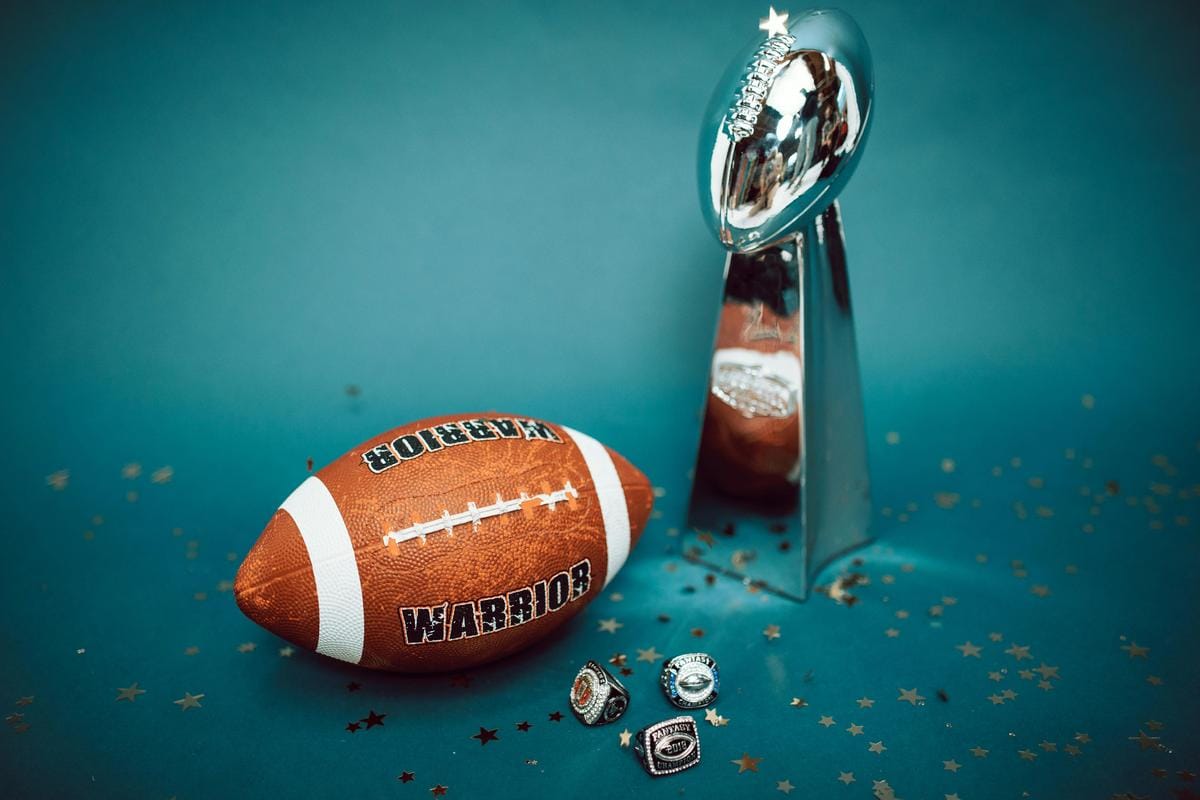
Now picture thousands gathering in Santa Clara for Super Bowl LX - suddenly, it isn’t only about crowning champions. This moment unfolds differently now, pulling in high-end visitors drawn by rare moments beyond the field. What once felt like ordinary fan activity shifts under quiet forces reshaping how people experience travel. Watching football turns into stepping into something broader - layered with comfort, performance, light, sound, even connections forged only here. Fancy trips to football events now come stuffed - On Location, Confirmed360 among them, stack extras like intimate performances, fine dining, while slipping past regular crowds entirely. These moments pull fans deeper than before, wrapped in private moments few get to see. Money rolls in faster than ever before; certain deals climb toward two million dollars, drawing big names like CEOs, funding hunters, influential visitors. It's clear by now: teams and travel planners care less about numbers walking through gates, more about shaping bold, one-of-a-kind experiences that spark attention worldwide.
Luxury and Exclusivity Take Center Stage in Modern Sports Events
What was once just a football game now feels nothing like it. Nowhere is that change clearer than in how fans experience the Super Bowl - increasingly, it's less about the sport and more about standing out. Instead of ordinary seats, people buy into packages that open doors few get through: viewing areas after the final whistle, private chats with retired players, plus live music performances by icons like Sting or The Killers. These perks? They used to belong to a small elite. Today, they shape what most viewers expect. Prices show it too - the most expensive bundles climb above $34,500 each guest, while company-led trips push beyond two million dollars. More businesses and rich clients dive into these packages, helped less by fun and more by chances to connect. Rising interest shows deeper shifts in how people choose experiences - ones that spark real feeling matter more now than owning things. Behind this lies a signal: soon, big sports events won’t only show games, they’ll fold leisure, luxury, and atmosphere into one flowing part of life.
Corporate Sector Embraces Sports Travel as a Strategic Marketing Tool
High-end sports travel matters more than ever to companies shaping how they’re seen and connecting with people. Tech giants, investors, and big corporations treat big games such as the Super Bowl not just as entertainment but as ways to honor customers, thank staff, while demonstrating what they can do. A fresh look at numbers by the World Economic Forum shows fans spend one out of every ten dollars on travel worldwide for these moments, pouring money faster - up 28 percent annually from 2020 - than older kinds of vacations ever did. Firms splash cash on tailored deals - like rented jets, high-end hotels, plus special entry to hot game zones. Reports from Confirmed360, known for luxury event planning, show more businesses calling in, one deal hitting $2 million. Such spending pushes cities organizing the events ahead of the pack. Brands using these moments build lasting ties through unique experiences. Sports travel isn’t extra - it’s now central to how companies market themselves.
The Future of Sports Tourism Is Driven by Experience over Material Goods
Nowhere is change more evident than in how people spend their time - once focused on owning things, now they chase moments carefully built for personal meaning. Since the pandemic ended, a hunger emerged among travelers for deeper involvement rather than just watching events unfold. Instead of standing apart during games, fans make snow angels right where action happened. Moments like private wine tastings deep in Napa's vineyards, or joining small groups on famous Pebble Beach links, carry heavier weight today. These experiences, quiet and tailored, have quietly taken center stage. Seeing change, groups tied to sports now highlight how carefully built events build status and inner satisfaction. Paul Caine, head of On Location, points out fans no longer just attend matches - they expect more. Because of this trend, the area is growing, shifting how people engage with sports, slowly turning games into rich living moments that echo through economy and society alike.