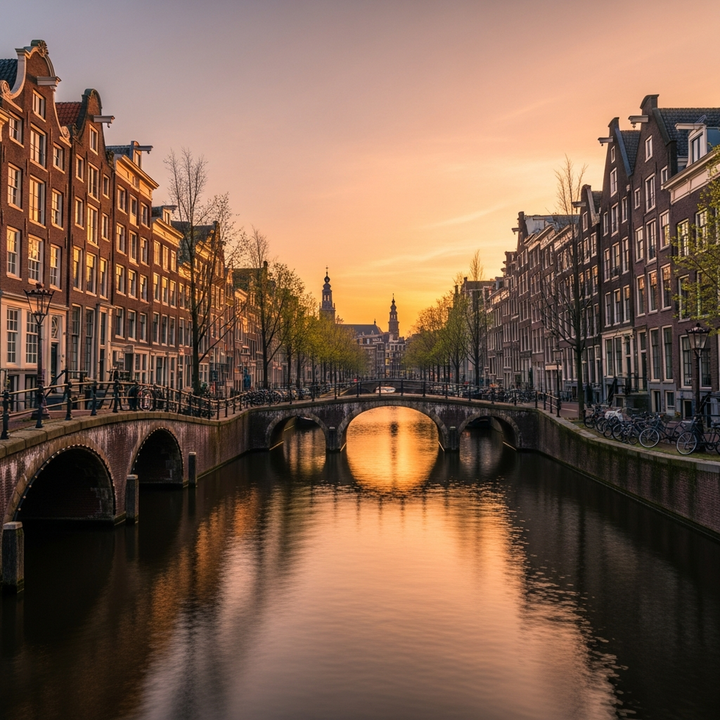
Steve McQueen Attempts to Redefine Film Length with an Epic 34-Hour Nazi Themed Project in Amsterdam
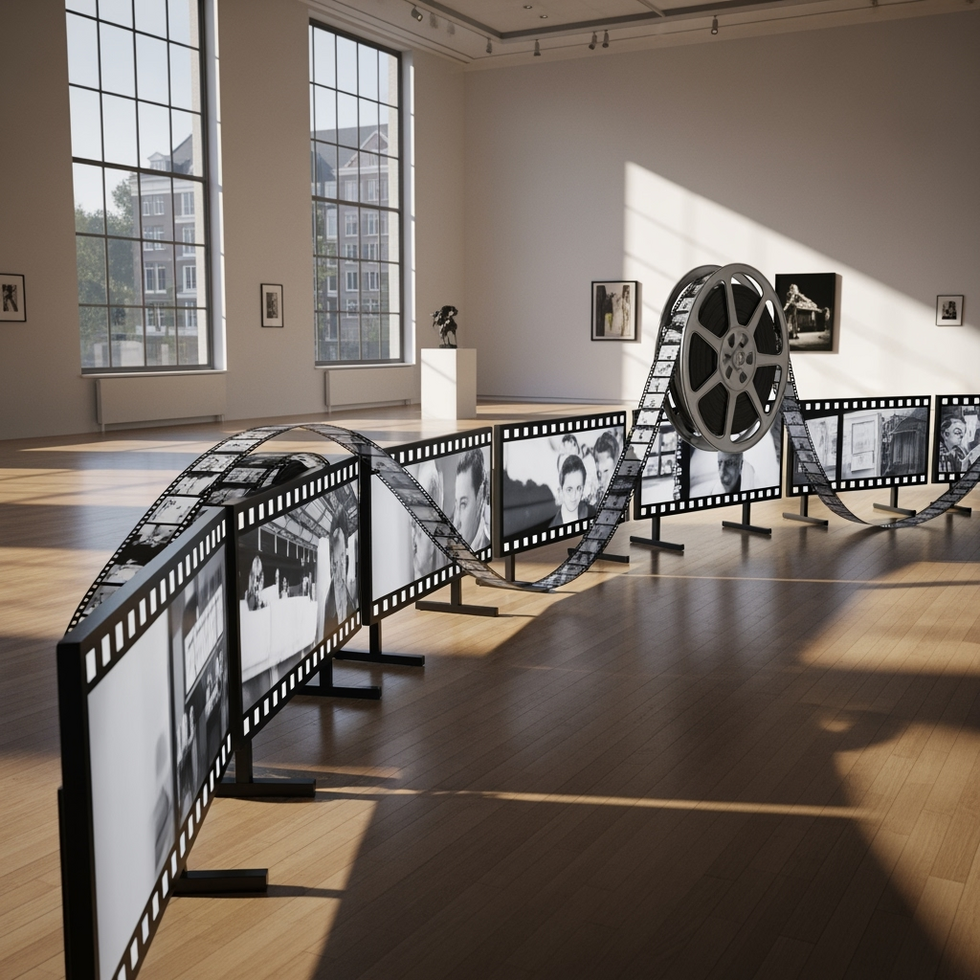
Steve McQueen Breaks Conventional Film Norms with an Ambitious Endurance Project in Amsterdam
Renowned filmmaker Steve McQueen has embarked on an unprecedented cinematic journey by creating a film that lasts an astonishing 34 hours, a project that aims to challenge traditional notions of storytelling and audience engagement. The ambitious endeavor, set against the historic backdrop of Amsterdam, explores the complex history of Nazis and their enduring impact on European society. McQueen’s approach combines documentary elements with immersive narrative techniques, inviting viewers to experience history in a deeply personal and contemplative manner. This project represents a bold step in experimental filmmaking, blurring the lines between cinematic art and social commentary. It also raises questions about the limits of endurance in art and whether audiences are prepared for such an innovative experience. The filmmaker's decision to deviate dramatically from conventional film durations underscores his commitment to pushing artistic boundaries and questioning the very nature of cinematic consumption. The project is generating significant buzz within the arts community, as it symbolizes a move toward an expanded definition of what constitutes a film in the 21st century.
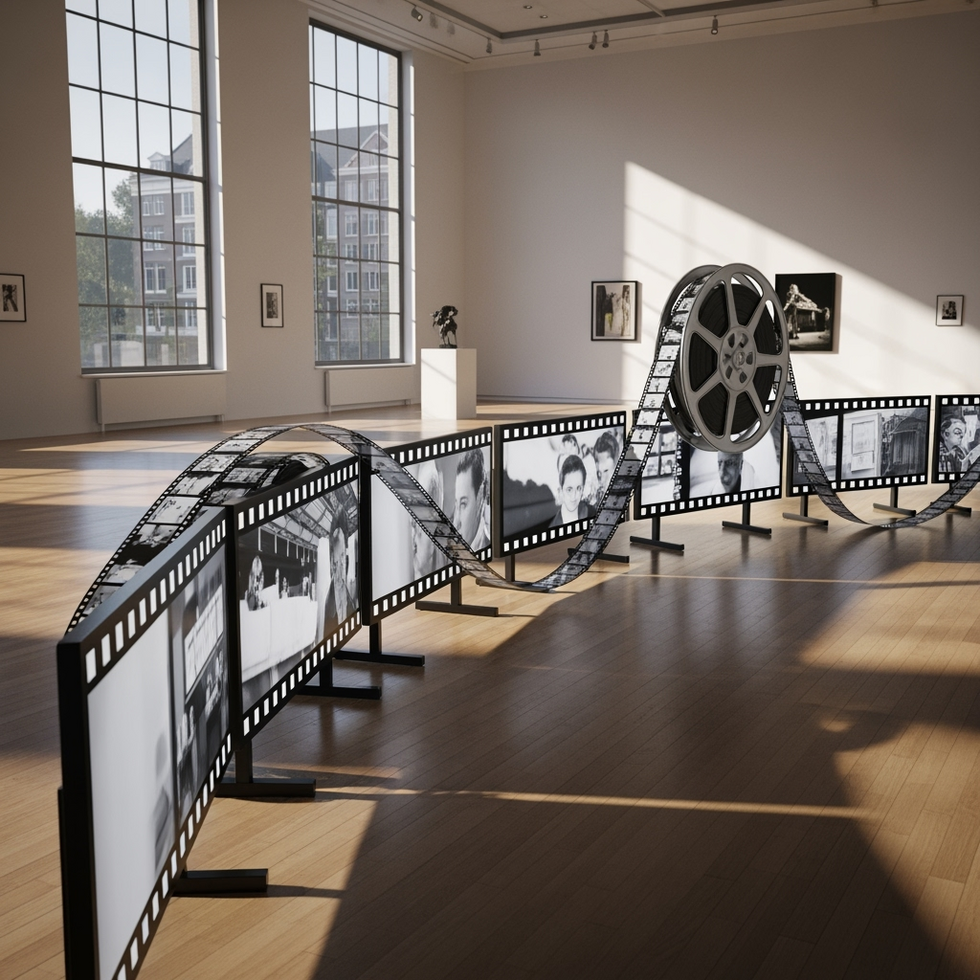
Exploring Historical Sensitivities Through Creative Vision in McQueen's Monumental Work
McQueen’s latest work delves deeply into the turbulent history of Nazi Germany and its lasting effects on modern Europe. By focusing on the Netherlands, particularly Amsterdam—a city with a poignant history of occupation and resistance—the filmmaker seeks to confront audiences with uncomfortable truths. The narrative isn’t merely about recounting historical events but involves a layered exploration of collective memory, guilt, complicity, and the enduring shadows of totalitarian regimes. The length of the film allows for nuanced storytelling, where viewers are encouraged to sit with uncomfortable truths for extended periods. This method pushes past the typical short-form documentary, aiming instead to engage viewers as active participants in understanding the weight of history. The project has garnered mixed reactions, with some critics praising its audacity and others questioning its practical impact. Still, McQueen’s intention to foster reflection through such an immersive format highlights his profound respect for art’s capacity to provoke vital conversations.
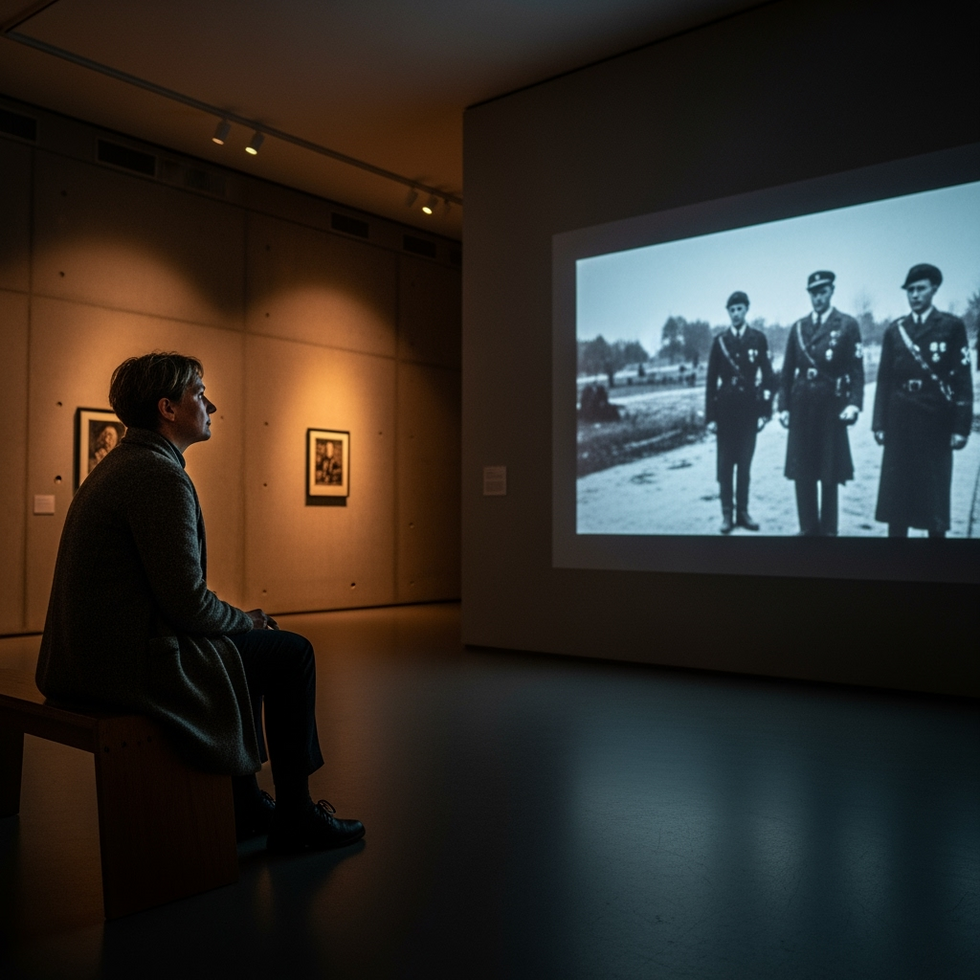
The Challenges and Opportunities of Pushing Artistic Boundaries in Contemporary Cinema
Creating a 34-hour film prompts significant logistical and artistic challenges, not least of which is maintaining audience engagement over such an extended period. McQueen’s innovative approach asks viewers to rethink consumption of media, moving from passive viewing to active interpretation and endurance. Historically, films have ranged from short shorts to epic classics, but a project of this length pushes the boundaries of conventional cinema, inviting comparisons to immersive art installations and experiential exhibitions. The project also functions as a reflection on the evolution of storytelling, where traditional narratives give way to multisession experiences, often akin to visiting an art exhibit or experiencing a live performance. This initiative opens discussions about future formats in filmmaking and whether audiences are ready to embrace such experimental works. Some experts see it as a natural progression of art intersecting with technology, especially in an era of streaming and on-demand content, where immersion becomes a central concept. However, the logistical complexity of viewing such a work raises questions about accessibility and the potential for cultural elitism, making it a compelling case study on the future of cinema.