Innovative Urban Gardening Initiatives Transform Cityscapes and Promote Sustainability
Urban Gardening as a Catalyst for Sustainable City Development
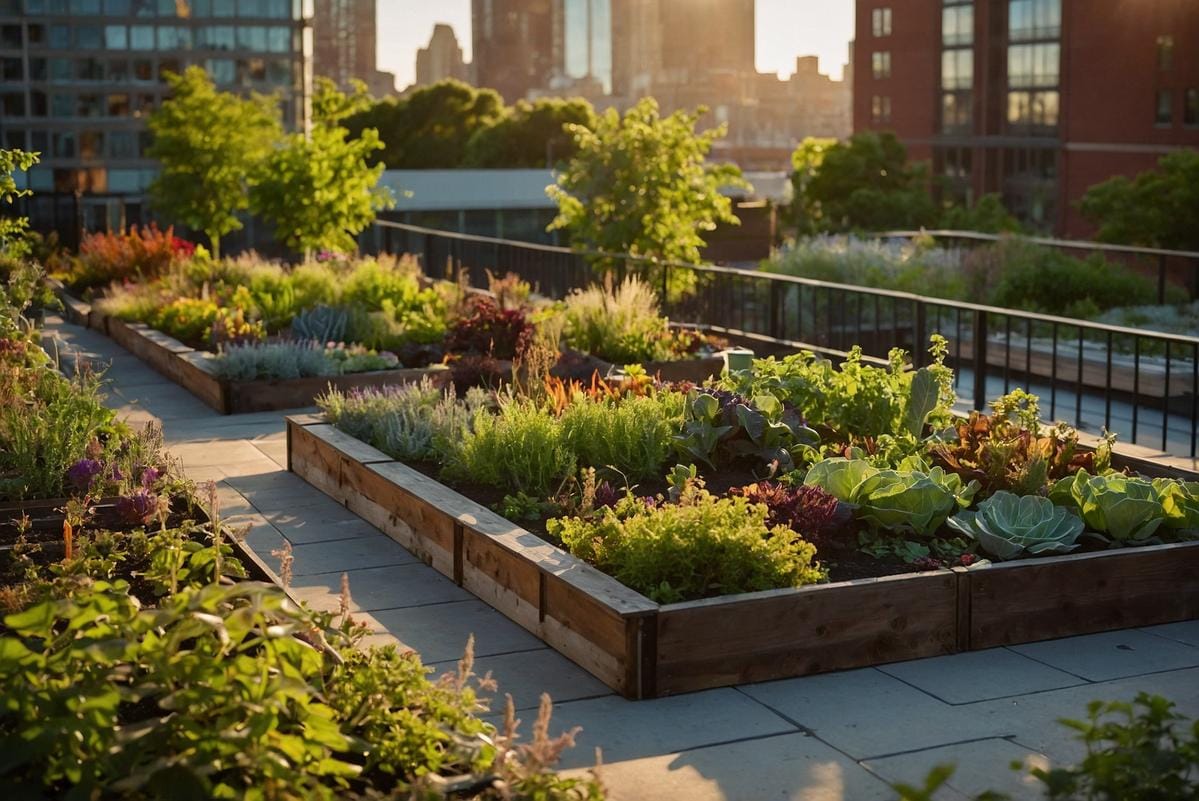
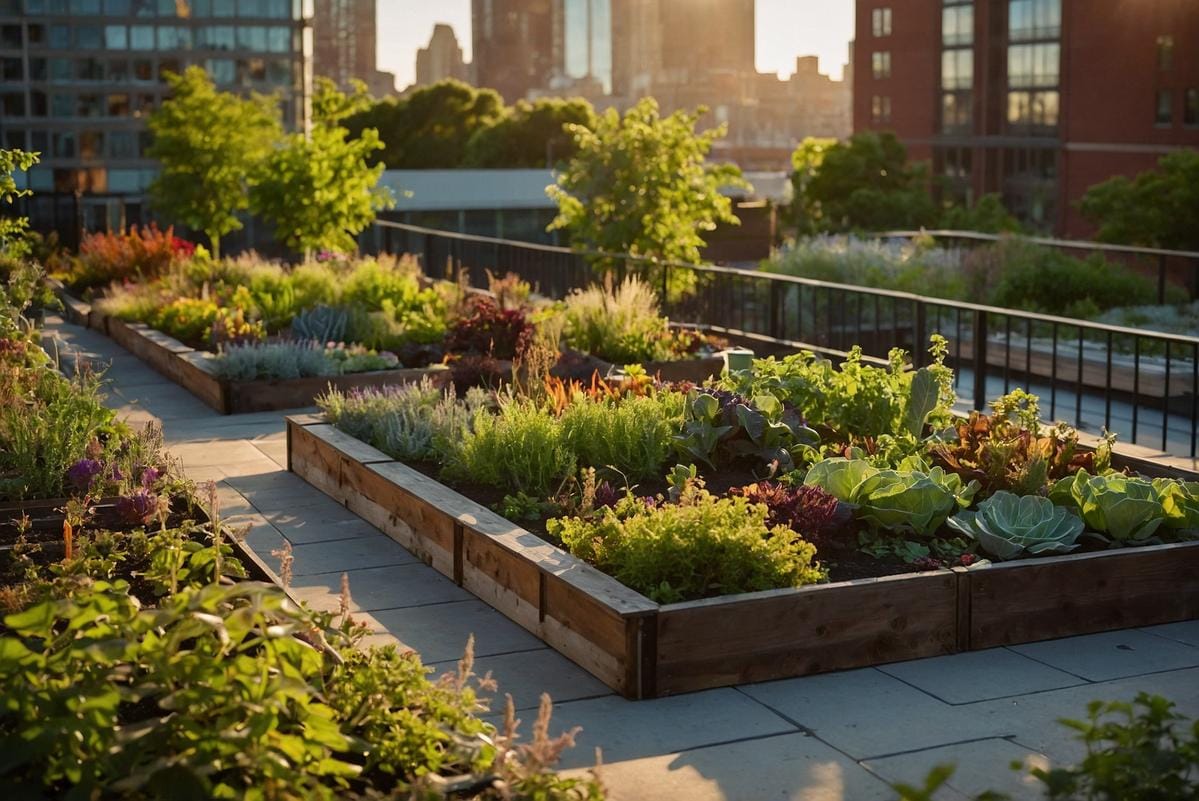
Urban gardening has emerged as a vital approach to making cities more sustainable and livable by transforming vacant lots and underutilized spaces into thriving green areas. These projects not only improve air quality and reduce urban heat island effects but also foster community engagement and local food production. As cities continue to expand rapidly, innovative green initiatives are essential to counteract the ecological footprint of urbanization. From rooftop farms to vertical gardens, urban gardening leverages space efficiency and eco-conscious design, proving that even small patches of land can contribute significantly to environmental health. Cities worldwide are adopting policies to support such initiatives, recognizing their potential to improve residents' quality of life while promoting environmental resilience. Moreover, these efforts are often complemented by the use of sustainable practices, such as composting and rainwater harvesting, emphasizing the importance of an integrated approach to urban planning. Experts suggest that fostering community participation in these projects creates a sense of ownership and responsibility towards maintaining green spaces, which is crucial in ensuring their long-term success. Overall, urban gardening is not just a trend but a core component of sustainable urban development, contributing to healthier ecosystems and more connected communities.
Community Engagement and Economic Benefits of Green Urban Spaces
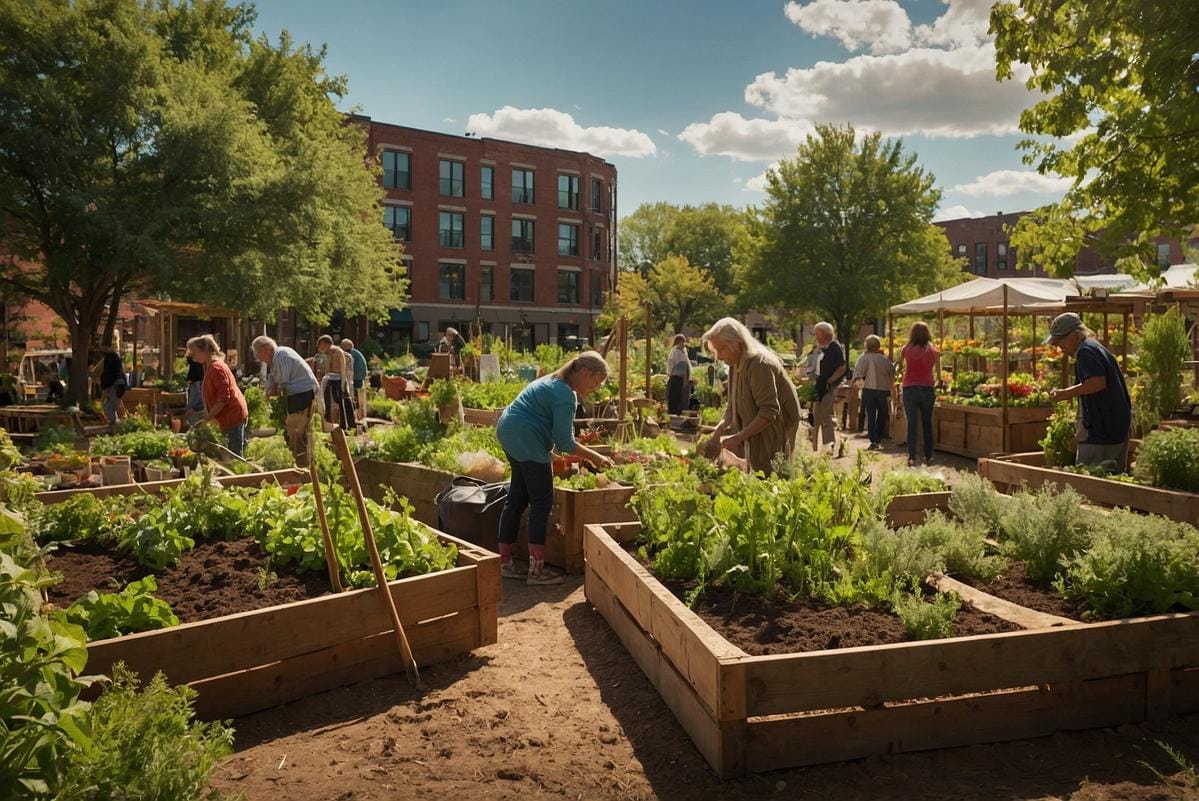
One of the most compelling aspects of urban gardening initiatives is their capacity to engage local communities, creating a sense of shared responsibility and pride within neighborhoods. These projects often serve as hubs for social interaction, educational workshops, and skill development, particularly in underserved areas where access to green spaces has historically been limited. By involving residents in planting, maintenance, and planning, urban gardens foster social cohesion and promote healthier lifestyles. Furthermore, these green spaces have proven to be economically beneficial by increasing property values, attracting tourism, and reducing healthcare costs associated with pollution-related illnesses. Initiatives such as community gardens and urban farms also create opportunities for local entrepreneurs to produce and sell fresh produce, supporting small businesses and bolstering local economies. Governments and non-profit organizations are increasingly recognizing that investing in green infrastructure not only enhances environmental sustainability but also yields tangible socio-economic returns. As urban residents experience firsthand the benefits of green spaces, awareness about environmental issues and climate resilience grows, paving the way for wider adoption of sustainable city planning practices. Ultimately, urban gardens serve as vital assets for thriving, resilient neighborhoods capable of facing future urban challenges.
Innovative Technologies Driving the Future of Urban Agriculture
The integration of advanced technologies is paving the way for more efficient and productive urban agriculture systems. Smart irrigation systems, IoT sensors, and automated watering devices help optimize resource use, reducing waste and ensuring healthy plant growth. Innovations like vertical farming and hydroponics are revolutionizing the possibility of farming in confined city environments, enabling year-round crop production regardless of climate conditions. Additionally, data analytics allows urban farmers to monitor soil health, pest control, and crop performance in real-time, improving yields and reducing the need for chemical inputs. Urban agriculture startups are leveraging these technologies to develop scalable models that can be adapted to different city contexts, from small rooftop gardens to large urban farms. Companies such as **AeroFarms** and **Plantagon** exemplify how cutting-edge automation and sustainable design principles can be implemented in city-based farming projects. As the costs of these technologies decrease and their accessibility increases, urban agriculture is poised to become a significant component of future city food systems, ultimately contributing to food security and climate mitigation efforts. The continuous innovation in this domain promises a more resilient, efficient, and environmentally harmonious urban future.