Government Faces Backlash Over Airport Expansion Plans Amid Climate Concerns
The Controversy Surrounding Airport Expansion in the UK
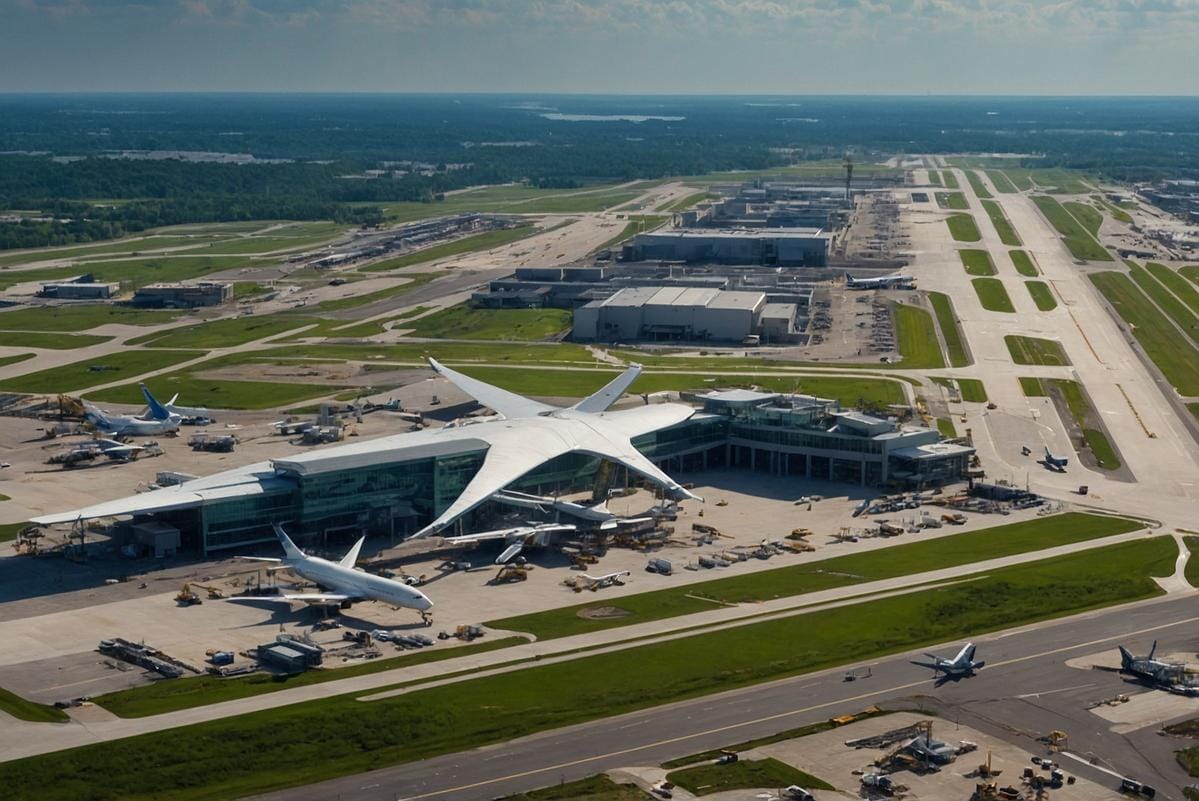
Recent proposals for expanding the capacity of major UK airports have sparked a fierce debate among policymakers, environmentalists, and local communities. As the government pushes forward with plans to increase runway space and improve infrastructure at key locations such as Heathrow and Gatwick, critics argue that such developments are fundamentally at odds with the country's commitments to reducing carbon emissions and tackling climate change. The debate has gained momentum amidst growing awareness of the aviation sector's significant contribution to greenhouse gases, which account for a sizable portion of the UK's total emissions. Environmental groups assert that expanding airports will lock the country into decades of increased fossil fuel consumption, effectively undermining efforts to meet net-zero targets by 2050. These concerns aren’t limited to environmental impacts alone; economic and social implications are also being scrutinized, including the potential displacement of communities and disruption to local ecosystems. This controversy highlights a wider challenge faced globally: balancing economic growth supported by air travel with the urgent need for sustainable development. As governments, airlines, and environmental advocates grapple with these conflicting priorities, the coming months will likely determine the future trajectory of the UK’s aviation policies.
Environmental Impacts and Climate Commitments in Question
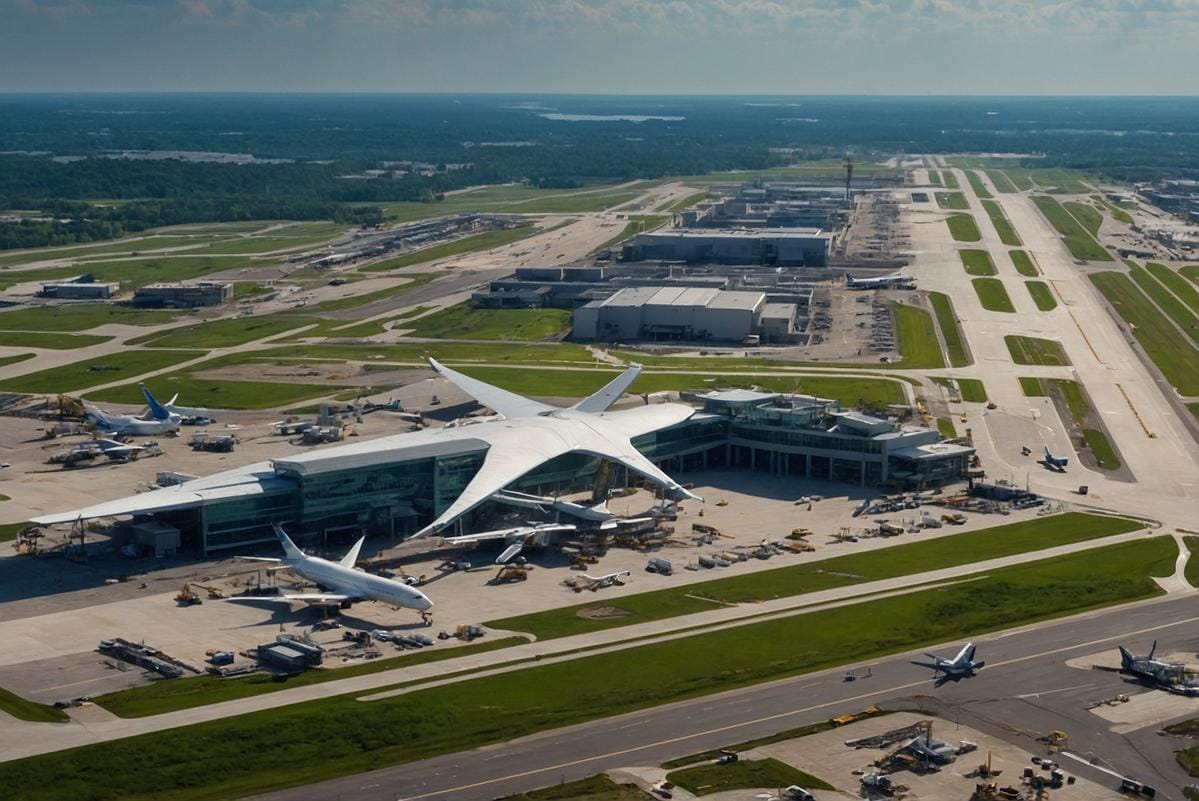
One of the central issues fueling opposition to airport expansion is its potential to exacerbate climate change. Aviation is responsible for approximately 2-3% of global carbon emissions, and experts warn that enlarging airport infrastructure could dramatically increase this footprint. The International Air Transport Association (IATA) has voiced concerns that new runways and increased flight frequencies will lead to a significant rise in emissions, making it harder for the UK to meet its legally binding climate targets. Furthermore, critics emphasize that while technological advancements like sustainable aviation fuels are promising, they are not yet sufficient to offset the environmental costs associated with larger airports. Policymakers are faced with a dilemma: either push forward with infrastructure projects that promise economic benefits and connectivity or prioritize environmental sustainability and adhere strictly to climate commitments. This dilemma underscores a broader global debate about how to reconcile economic development with the urgent need to reduce greenhouse gas emissions, especially in sectors like aviation where progress is slow and challenging.

Economic Growth Versus Environmental Sustainability
The economic argument in favor of expanding airports hinges on enhancing connectivity, boosting tourism, and creating jobs—factors that are vital for regional growth and national prosperity. Supporters argue that infrastructure investments can stimulate local economies and increase competitiveness on a global scale. However, opponents contend that prioritizing short-term economic gains risks long-term environmental costs, which could outweigh immediate benefits. They advocate for investments in greener alternatives, such as high-speed rail networks and enhanced public transportation, to provide sustainable options that align with climate goals. Balancing these conflicting priorities is one of the most complex challenges facing policymakers today. The debate extends beyond economics, touching on social justice issues such as the displacement of vulnerable communities and the preservation of local habitats. As the world gradually shifts toward greener, more sustainable development models, the decisions made in the coming years will significantly influence the trajectory of the UK’s environmental and economic future.

The Role of Policy and Public Engagement in Shaping Future Aviation Strategies
Ultimately, the future of airport expansion in the UK hinges on policy decisions and public engagement. Transparent, evidence-based policymaking can help balance economic interests with environmental imperatives. Increasingly, communities are demanding a voice in planning processes, emphasizing the need for sustainable alternatives and stricter emission controls. Advocacy groups are calling for a comprehensive review of aviation policies, including stricter regulations on new airport projects and incentives for eco-friendly transportation modes. Governments are under pressure to align their strategies with international climate agreements, such as the Paris Accord, and to demonstrate leadership in sustainable development. Public opinion plays a significant role, with surveys revealing strong support for greener initiatives and skepticism toward expansion projects perceived as harmful to the environment. Moving forward, integrating climate considerations into aviation policy debates will be crucial for building a resilient, sustainable transportation system that meets both economic and ecological needs.