Global Renewable Energy Investment Surges as Nations Commit to Climate Goals
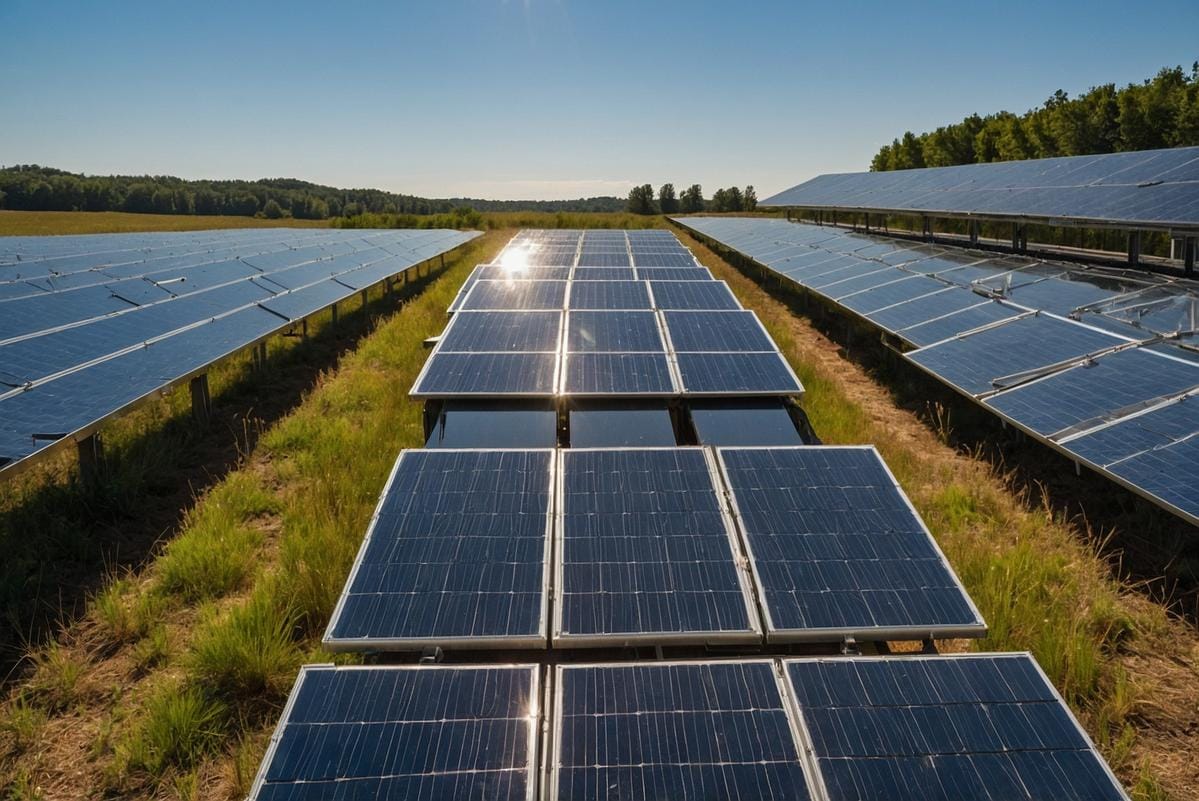
Record-Breaking Growth in Renewable Energy Funding Reflects Global Climate Commitment
Recent data indicates an unprecedented increase in global investments directed towards renewable energy projects, marking a pivotal shift in the world's approach to climate action. Over the past year, countries and private sectors have collectively poured over $500 billion into solar, wind, hydroelectric, and emerging green technologies, surpassing previous records by a significant margin. This surge is driven by comprehensive policy frameworks, decreasing costs associated with renewable technologies, and an increasing societal push towards sustainable practices. Governments worldwide, recognizing the urgency of mitigating climate change impacts, are adopting ambitious targets such as net-zero emissions by mid-century. Private investors are also playing a crucial role, leveraging technological advancements and financial instruments like green bonds to fund projects that promise both environmental benefits and economic returns. This investment trend reflects a strategic acknowledgment that renewable energy is not just an environmentally responsible choice but also a lucrative economic opportunity. As such, the global landscape for renewable energy is being reshaped rapidly, creating a ripple effect that encourages further innovations and policies aimed at clean power generation. This unprecedented growth underscores a broader paradigm shift—transitioning from fossil fuels to sustainable energy sources as a core component of national and corporate strategies. The push towards renewables has also been bolstered by international agreements such as the Paris Accord, emphasizing the collective responsibility of nations to limit global temperature rise and promote green energy investments.
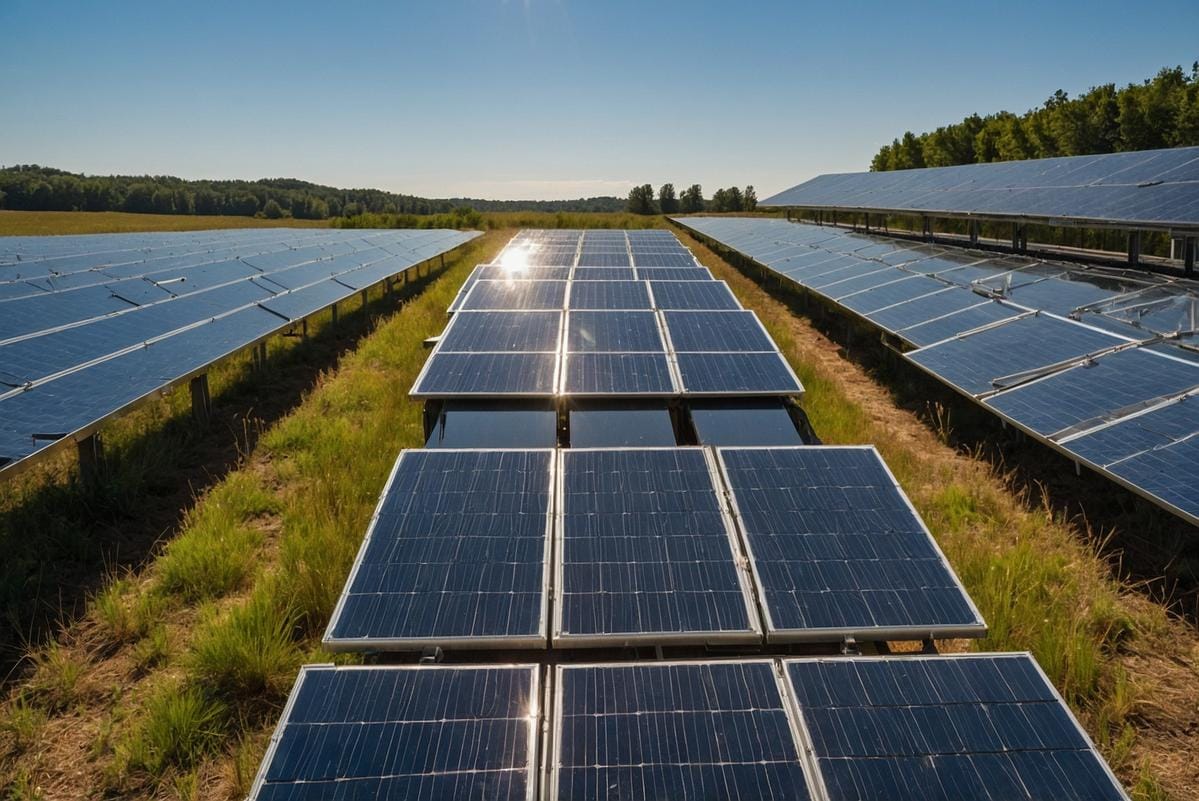
Technological Innovations Propel Wind and Solar Energy Production to New Heights
Technological progress has been fundamental in driving the remarkable expansion of renewable energy capacity worldwide. Innovations in wind turbine design, such as taller towers and larger blades, have significantly enhanced efficiency and power output, making wind energy an increasingly viable source even in regions previously deemed unsuitable. Concurrently, advances in photovoltaic cell technology and manufacturing processes have led to a steep decrease in the cost of solar panels, making solar power more accessible and economically competitive. Companies like **First Solar** and **Tesla** are at the forefront of these innovations, developing high-efficiency solar panels and integrated energy storage systems. These breakthroughs have not only increased the capacity of renewable installations but also improved reliability and grid integration, overcoming previous limitations. Furthermore, new developments in floating solar farms and offshore wind turbines are unlocking potential in areas with limited land space and high wind speeds, respectively. This technological trajectory signals a future where renewable energy can meet substantial portions of global electricity demand, reducing dependence on fossil fuels and lowering greenhouse gas emissions. The integration of smart grid technology and artificial intelligence is further optimizing energy distribution and consumption patterns, creating smarter, more resilient energy systems. As international investments continue to flow into green innovation, the solar and wind sectors stand poised to lead the clean energy revolution.

Policy Initiatives and International Agreements Strengthen Global Renewable Energy Growth
Supportive policy frameworks and international agreements have been instrumental in accelerating the adoption of renewable energy worldwide. Many nations have implemented ambitious renewable energy standards, financial incentives, and subsidies to foster a conducive environment for green projects. For example, the European Union's Green Deal aims to double its renewable energy capacity by 2030, while China continues to lead with aggressive wind and solar targets. The United States has rejoined international commitments and introduced infrastructure bills that allocate billions towards renewable energy development. These policies, coupled with climate-focused regulations and carbon pricing mechanisms, incentivize corporations and developers to invest in environmentally sustainable infrastructure. The role of international cooperation is especially critical, as countries pledge to fulfill their commitments under the Paris Agreement, fostering a collaborative effort to limit global warming. Initiatives such as the Mission Innovation platform encourage countries to increase investments in clean energy R&D, which has led to breakthroughs in storage, grid management, and renewable-powered transportation. Additionally, multilateral organizations and advocacy groups are crucial in providing the technical and financial support needed for developing nations to leapfrog fossil fuel-based energy systems. Collectively, these policy initiatives signal a global consensus on the necessity of transitioning to clean, renewable sources of energy for a sustainable future.