Dutch Cities Innovate with Tiny Staircases to Help Cats Escape Canals Safely
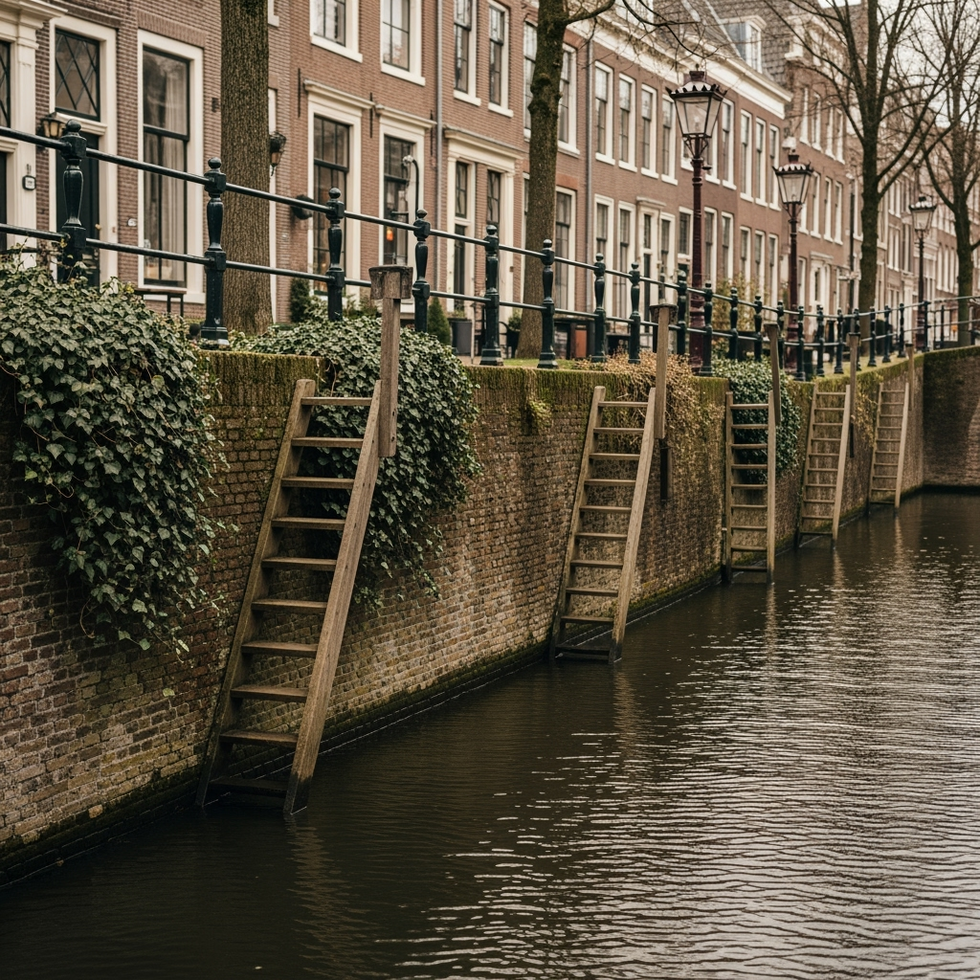
Dutch cities lead innovative efforts to safeguard urban feline residents with discreet canal exit solutions
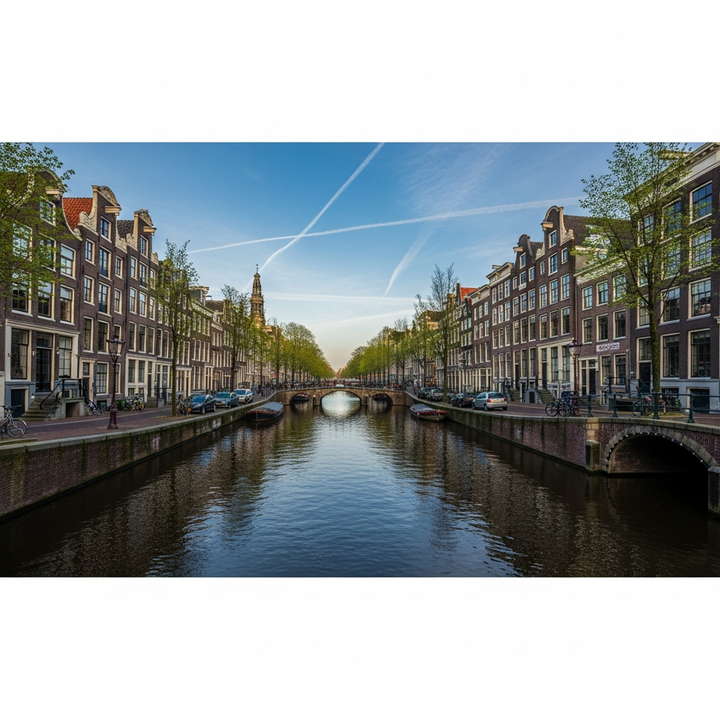
In recent years, the picturesque cities of the Netherlands have gained recognition not only for their rich cultural heritage and stunning architecture but also for their forward-thinking approaches to urban wildlife management. Recognizing the common plight of domestic cats that find themselves trapped in the complex canal systems, the local authorities have introduced a series of miniature staircases. These tiny structures, ingeniously designed and discreetly installed along canal banks, serve as safe passageways to help cats exit water safely and reduce drowning incidents. This initiative underscores a broader commitment to animal welfare, urban coexistence, and innovative problem-solving that characterizes the Dutch approach to city living. By transforming their canal edges into more animal-friendly spaces, these cities are setting an example of compassionate urban planning that simultaneously preserves the aesthetic charm and ecological safety of their environment.
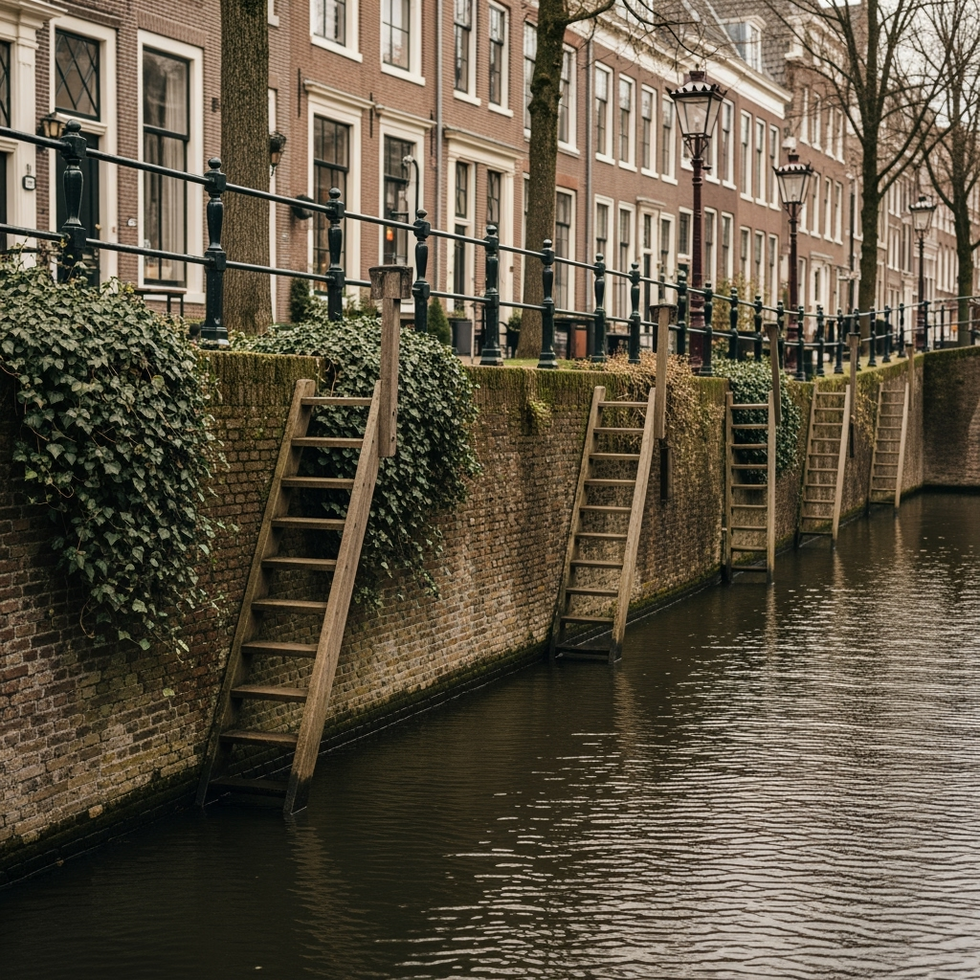
Design and implementation of the tiny staircases emphasize functionality and harmony with historic urban landscapes
The innovative tiny staircases are meticulously designed to be unobtrusive yet highly effective. Crafted from durable, weather-resistant materials, these structures resemble miniature flights of stairs, often featuring small rails for added safety. The design process involved urban planners, animal welfare specialists, and local residents to ensure these staircases are both functional and aesthetically harmonious with the historic cityscapes. These structures are strategically placed at locations where cats are most at risk of falling into canals, such as near residential areas with high pet populations and green spaces. Their discreet installation avoids disrupting the visual integrity of their surroundings while providing a vital safety feature for feline residents. This thoughtful approach exemplifies how urban infrastructure can be both practical and respectful of the city's heritage, proving that small interventions can lead to meaningful improvements in city living.

Community engagement and ongoing monitoring ensure the success of the canal exit projects
The implementation of these tiny staircases has involved active collaboration with local residents, animal rescue organizations, and city officials. Community members often volunteer to monitor vulnerable areas, ensuring that the structures remain in good condition and are effectively serving their purpose. Regular assessments are conducted to evaluate their impact on feline safety and to identify any areas that may require additional interventions or modifications. Importantly, this initiative has sparked broader conversations about urban animal welfare and the importance of designing cities that accommodate the needs of all residents, human and animal alike. By fostering a sense of collective responsibility, Dutch cities are demonstrating how grassroots involvement and scientific oversight can combine to create safer environments for city-dwelling animals, inspiring similar initiatives around the world.
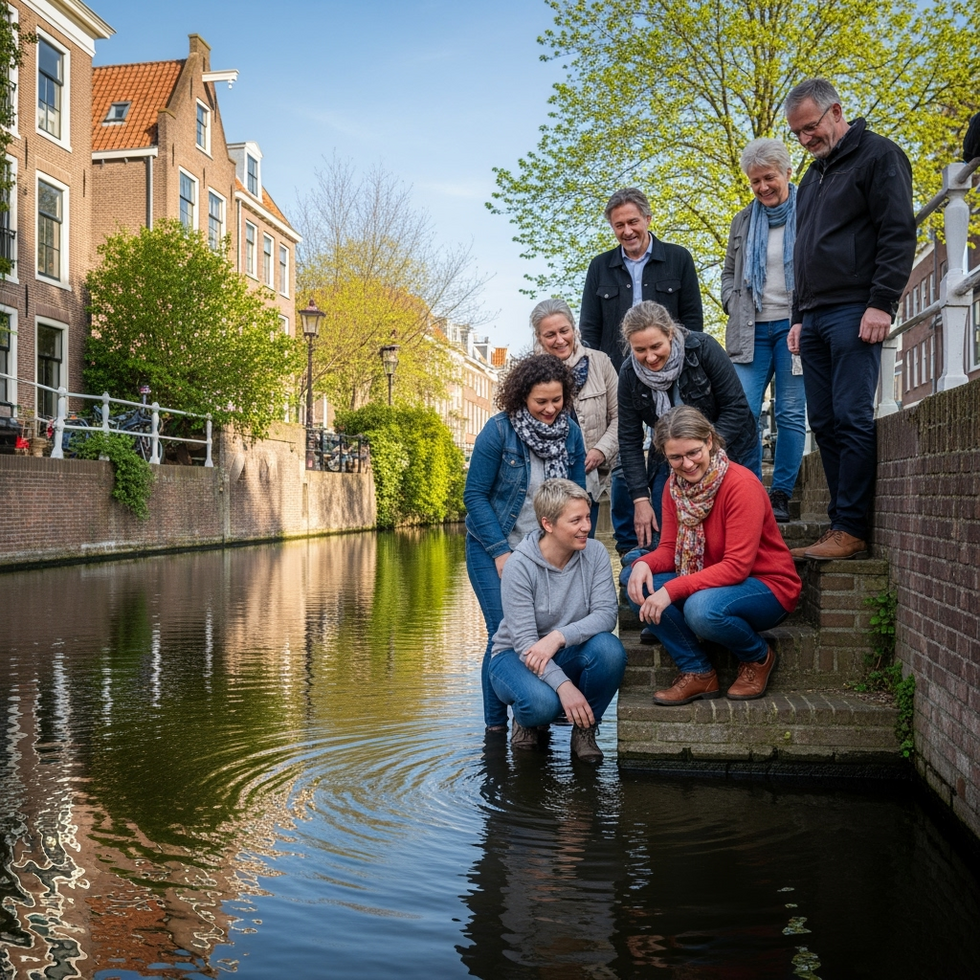
The innovative project highlights the broader potential of urban environmental modifications for animal and human coexistence
This pioneering initiative in the Netherlands exemplifies how strategic urban modifications can significantly improve the quality of life for city animals and foster better coexistence between human and animal populations. By extending design thinking into animal welfare, cities are embracing a holistic approach to urban planning, where safety, aesthetics, and ecological health are integrated seamlessly. Such efforts align with global trends advocating for more compassionate cities that prioritize humane solutions to everyday challenges. Moreover, these small but impactful changes have the potential to inspire similar projects elsewhere, emphasizing that innovation in urban design can serve multiple purposes—protecting vulnerable species, enhancing urban beauty, and promoting community engagement. The Dutch example underscores that even in densely built environments, thoughtful modifications can create more humane and resilient cities for everyone involved.