Discovering City Tours as a Mode of Immersive Urban Exploration
The Growing Popularity of City Tours in Modern Tourism
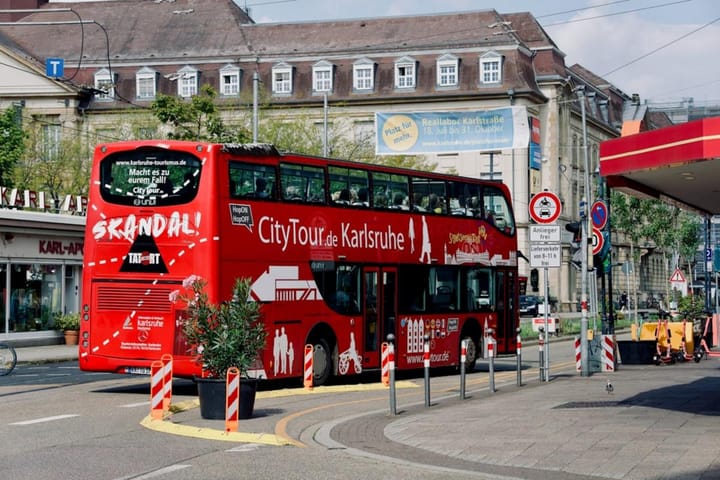
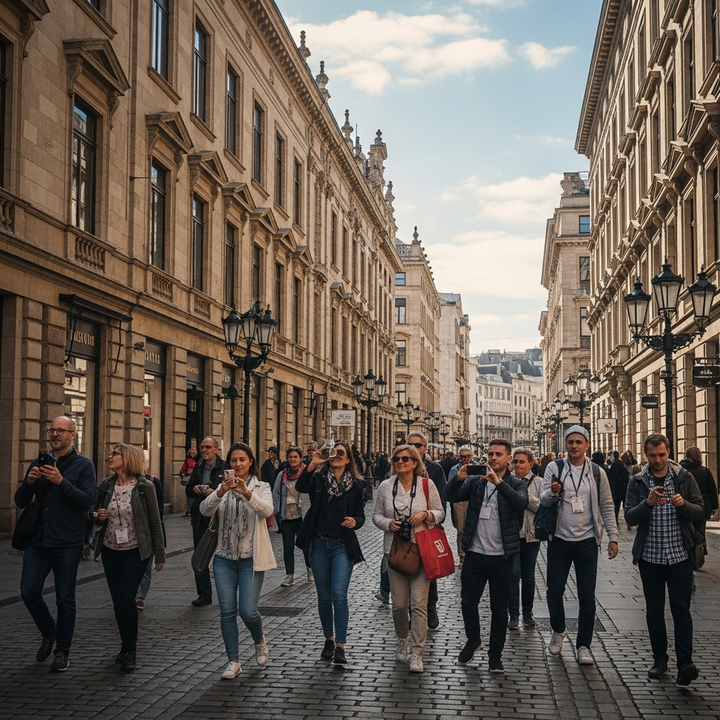
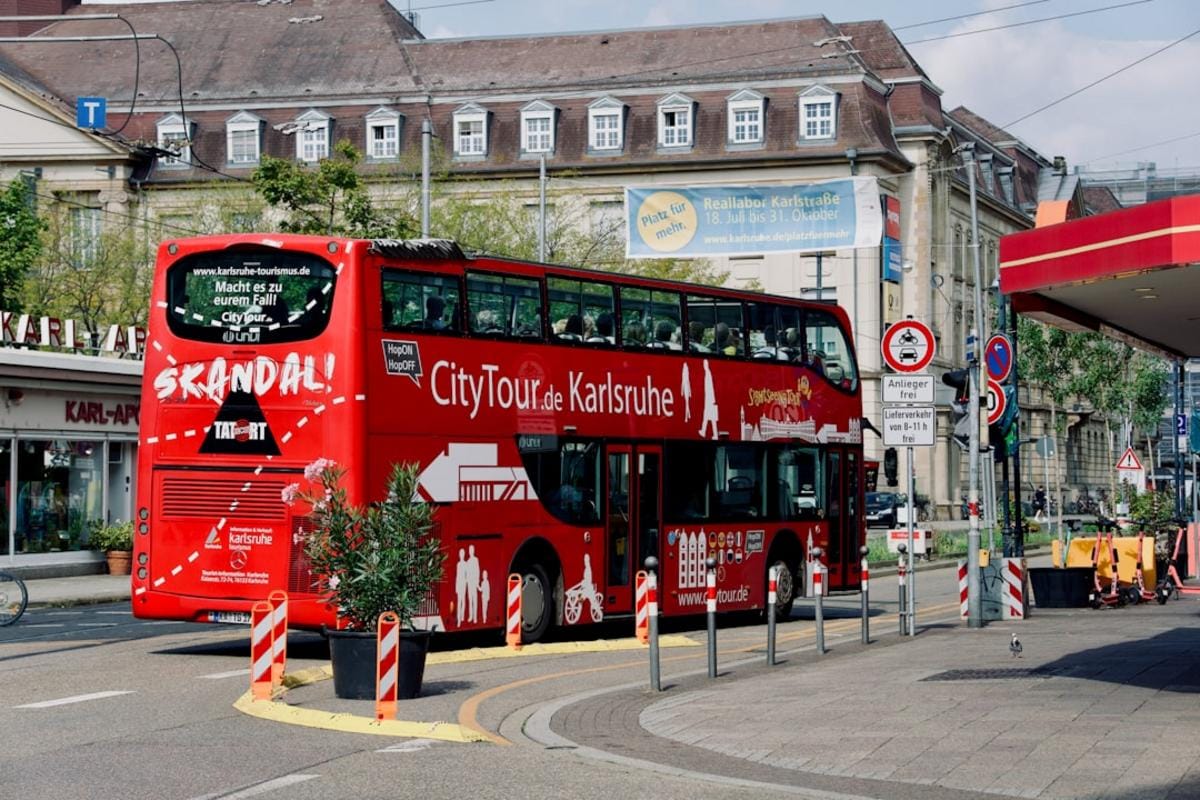
City tours have become an essential component of contemporary travel experiences, significantly transforming the way tourists engage with urban environments. Unlike traditional sightseeing methods, modern city tours often incorporate a blend of guided experiences, interactive technology, and personalized itineraries that cater to the diverse interests of travelers. From historic walking routes through centuries-old neighborhoods to bike expeditions exploring hidden alleyways, city tours offer an immersive lens into a city's soul. They serve not only as a means of sightseeing but also as influential platforms that foster cultural understanding and local appreciation. Travelers today seek authentic experiences, and city tours are perfectly positioned to deliver this by providing expert guides who offer rich historical context, local stories, and insider tips that you won't find in guidebooks. Moreover, the rise of thematic tours such as culinary excursions, art walks, or eco-friendly routes underscores the versatility of city tours in addressing the many facets of urban life, making them relevant and engaging for a broad spectrum of visitors.
Innovative Technologies Transforming How City Tours Are Conducted
The landscape of city tours has been dramatically reshaped by technological advancements, making them more accessible, engaging, and educational. Augmented reality (AR) and virtual reality (VR) devices allow visitors to visualize historical scenes or walk through reconstructed ancient streets, providing an immersive historical experience that bridges the gap between the past and present. Smartphone apps and GPS-guided tour solutions have empowered travelers to explore at their own pace, offering detailed maps, multilingual descriptions, and real-time updates. Companies like **Urban Adventures** and **Viator** have integrated digital booking systems, customizable routes, and multimedia content to enrich the typical guided experience. These innovations not only enhance convenience but also deepen engagement, appealing particularly to younger generations who are accustomed to digital interactivity. The use of such technologies continues to evolve, with some cities now experimenting with autonomous vehicles and drone-guided tours, illustrating a future where city exploration becomes more innovative and engaging than ever before.
Cultural Significance and Economic Impact of City Tours
City tours are much more than leisure activities; they are vital tools for cultural diplomacy and economic development. By highlighting the unique heritage, traditions, and everyday life of local communities, city tours foster greater cross-cultural understanding and appreciation. Tourists get a glimpse into the authentic fabric of a city, which enhances their overall experience and encourages repeat visits. Economically, guided city tours support local employment, small businesses, and artisans whose crafts or foods are often included in thematic tours like food tasting or artisan workshops. The financial benefits extend to broader urban development projects aimed at preserving historic sites and infrastructure, which are often funded partly by tourism revenues. Cities like Prague, Rome, and Kyoto have successfully leveraged their iconic landmarks and vibrant cultural scenes through well-structured tour programs that boost the local economy while simultaneously safeguarding their cultural heritage. In addition, sustainable tourism practices integrated into city tours are increasingly emphasized to ensure that urban exploration benefits both visitors and residents, fostering a responsible approach to tourism.