Community-Led Cleanup Initiative Sparks Massive Campaign in Amsterdam
A Viral LinkedIn Post Ignites a Community Effort to Beautify Amsterdam
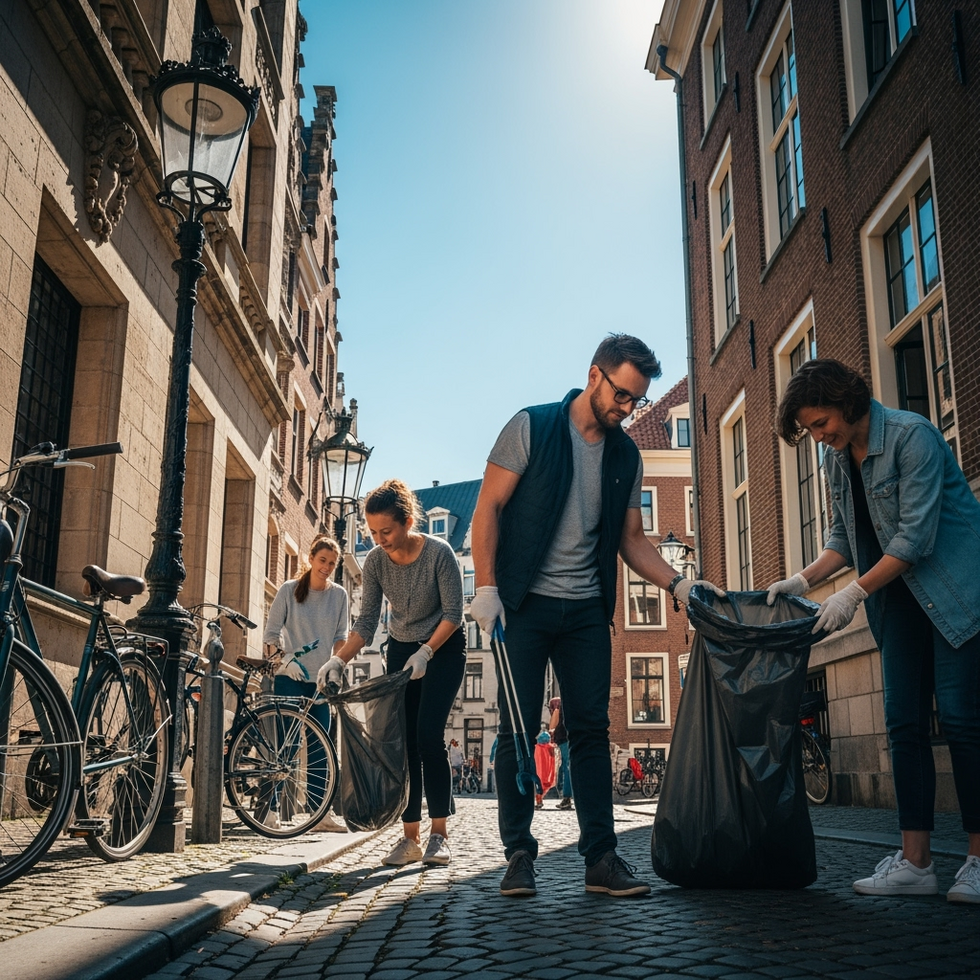
The city of Amsterdam has recently become the epicenter of a powerful movement aimed at tackling its ongoing waste management issues and overall urban cleanliness. This movement was sparked unexpectedly when a single LinkedIn post, authored by an enthusiastic local resident, gained viral traction across social media platforms. The post vividly depicted the city’s current state of neglect, highlighting overflowing trash bins, litter-strewn streets, and the lack of adequate public waste disposal facilities. The message resonated with many residents, entrepreneurs, and city officials who felt compelled to act. As the post circulated rapidly, it ignited conversations about collective responsibility and the importance of community-led initiatives, transforming digital outrage into tangible action. This incident illustrates the profound influence social media can wield in environmental activism, especially when it mobilizes communities around shared values of sustainability and urban pride. The campaign's momentum grew as volunteers, local businesses, and civic leaders began collaborating to develop practical solutions to the city’s waste issues, including organized cleanup days, increased trash bin placements, and public awareness drives. The grassroots nature of this effort demonstrates a powerful example of how digital platforms can inspire real-world change, bringing citizens together to restore and preserve their environment. The success of this movement underscores the potential for social media to serve as a catalyst for civic engagement, prompting the city of Amsterdam to rethink how urban cleanliness can be integrated into its broader sustainability agenda.
Amsterdam Authorities Commit to Sustainable Waste Management and Community Engagement
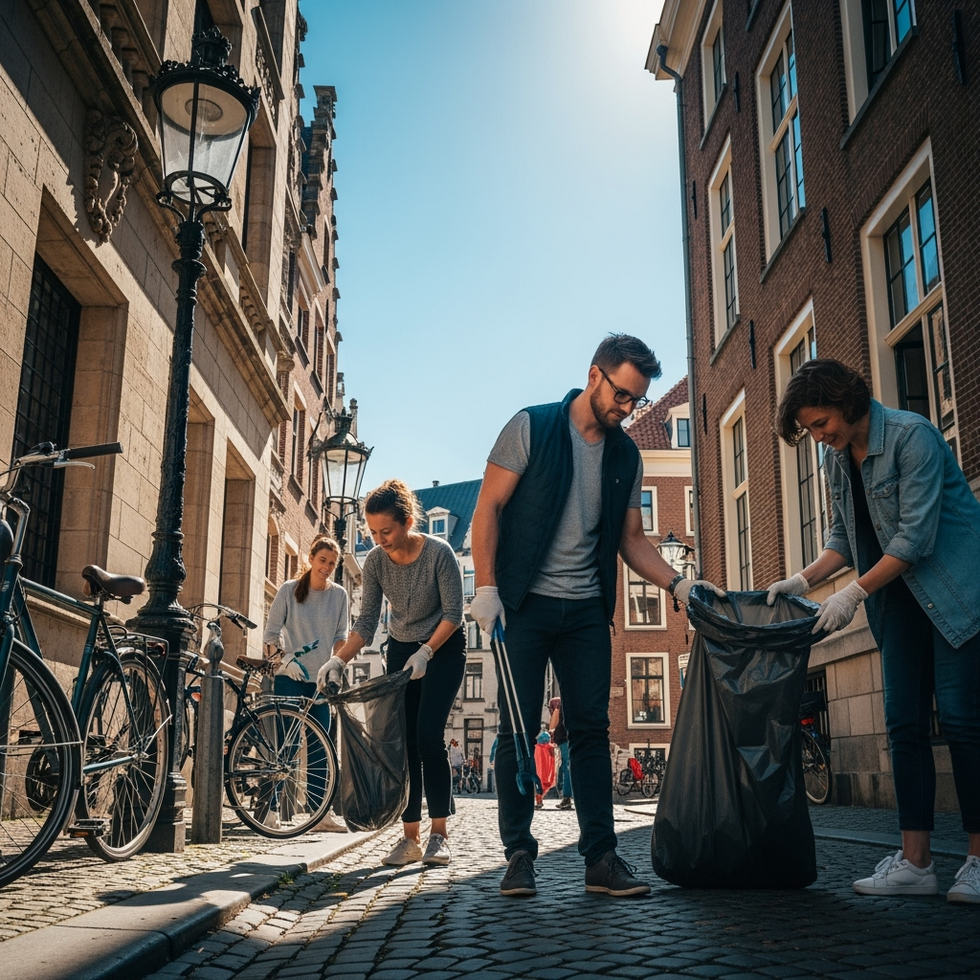
In response to the public outcry and the viral social media campaign, Amsterdam’s local government has announced a series of initiatives designed to enhance urban cleanliness and foster community participation. These plans include increasing the number of public trash bins scattered across busy districts, launching educational programs in schools about recycling and waste reduction, and implementing stricter enforcement of littering regulations. City officials have also expressed a commitment to investing in innovative waste processing technologies that align with their sustainability goals. A key element of these efforts is promoting civic pride and responsibility through collaborations with local businesses and community organizations. The city has recognized that long-term solutions require active citizen involvement alongside infrastructural improvements. Moreover, the mayor's office issued a statement emphasizing that maintaining a clean city is a shared responsibility that benefits everyone, from residents to visitors. This collaborative approach aims not only to address current waste management issues but also to prevent future problems by fostering a culture of environmental consciousness. The initiatives are being closely monitored with feedback collected from residents to ensure they meet community needs effectively. By integrating social media as a feedback and engagement platform, Amsterdam hopes to sustain the momentum generated by the viral post and embed sustainability into its urban development policies.

Community Resilience and the Future of Amsterdam’s Urban Environment
The recent surge in civic participation marks a turning point for Amsterdam’s approach to urban management. By harnessing social media and encouraging grassroots activism, the city demonstrates resilience in addressing complex environmental challenges. This movement broadens the traditional scope of municipal governance, emphasizing transparency and inclusivity in decision-making processes. Residents are now more empowered to voice their concerns and contribute directly to policy development, leading to more sustainable and community-oriented solutions. Such participatory models foster a sense of ownership and pride among locals, which is essential for maintaining long-term environmental health. This shift also indicates that urban sustainability cannot be achieved solely through top-down policies; rather, it requires the active engagement of citizens who see themselves as caretakers of their environment. Moving forward, Amsterdam’s example may serve as a blueprint for other cities facing similar waste and pollution concerns. As the campaign progresses, it will be interesting to observe how collaborative efforts between government, private sector, and citizens evolve to create a cleaner, more sustainable urban space.