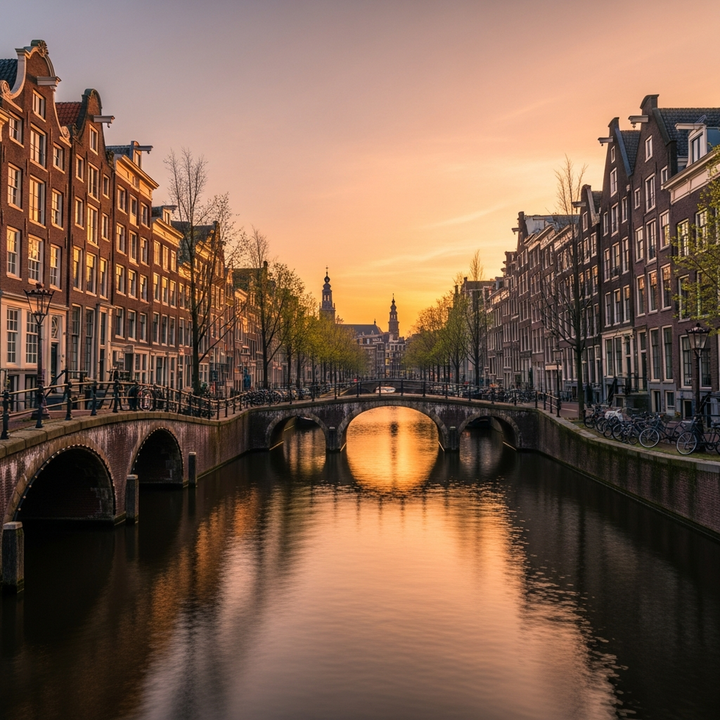
Amsterdam on the Anacostia Highlights Urban Renewal and Cultural Connection
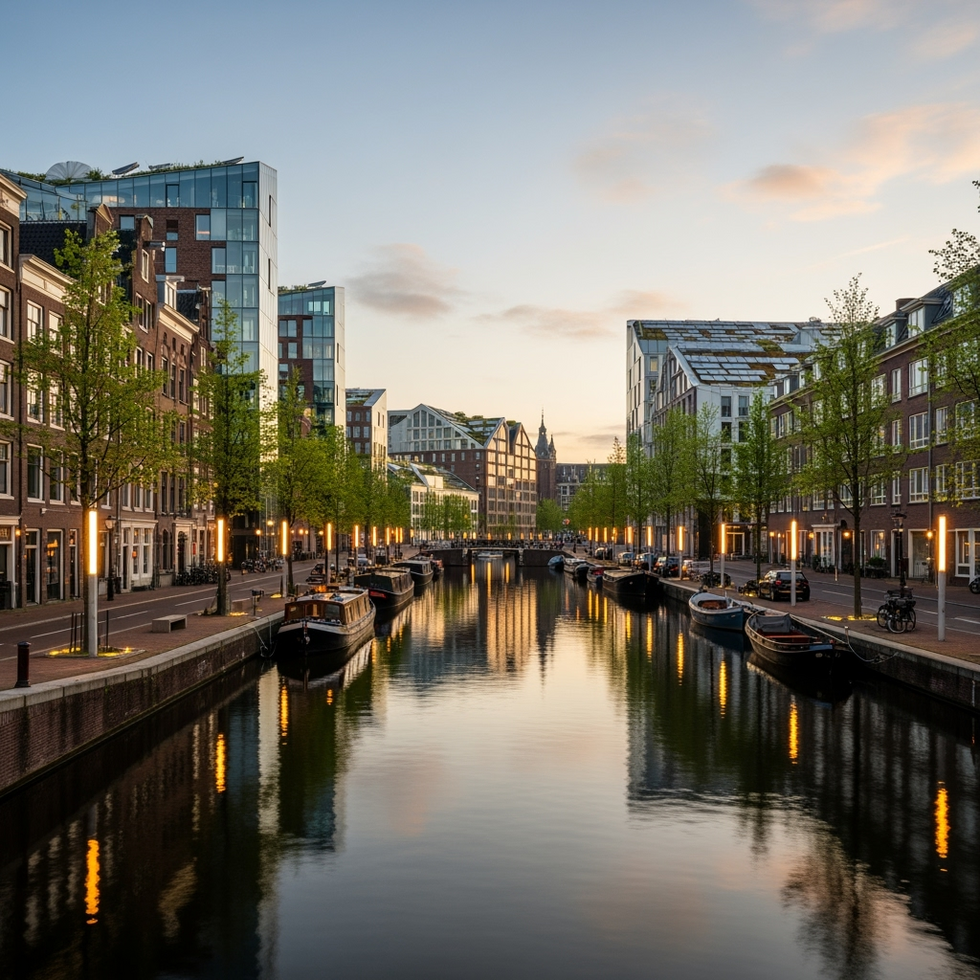
Transforming the Anacostia River Area Inspired by Amsterdam's Urban Vision
The Anacostia River in Washington DC has long been a symbol of both challenge and opportunity for urban planners and community residents. Recent redevelopment initiatives have taken a bold step toward reimagining this vital waterway by drawing inspiration from Amsterdam, a city renowned worldwide for its innovative approach to sustainable urban design, water management, and community-oriented spaces. These efforts aim to revitalize the surrounding neighborhoods, improve ecological health, and foster economic growth through smart, environmentally conscious planning. The project not only seeks to restore the natural beauty of the area but also strives to create an inclusive space where residents, visitors, and businesses can thrive in harmony. By integrating Dutch urban planning principles, such as water resilience, green infrastructure, and mobility improvements, the initiative hopes to set a new standard for urban renewal projects nationwide. This ambitious plan is rooted in community collaboration, emphasizing participatory design processes that ensure local voices are central to the transformation. As the project unfolds, it also raises important questions about how cities can learn from global examples to address local challenges effectively, making the Anacostia project a potential blueprint for future sustainable city development.
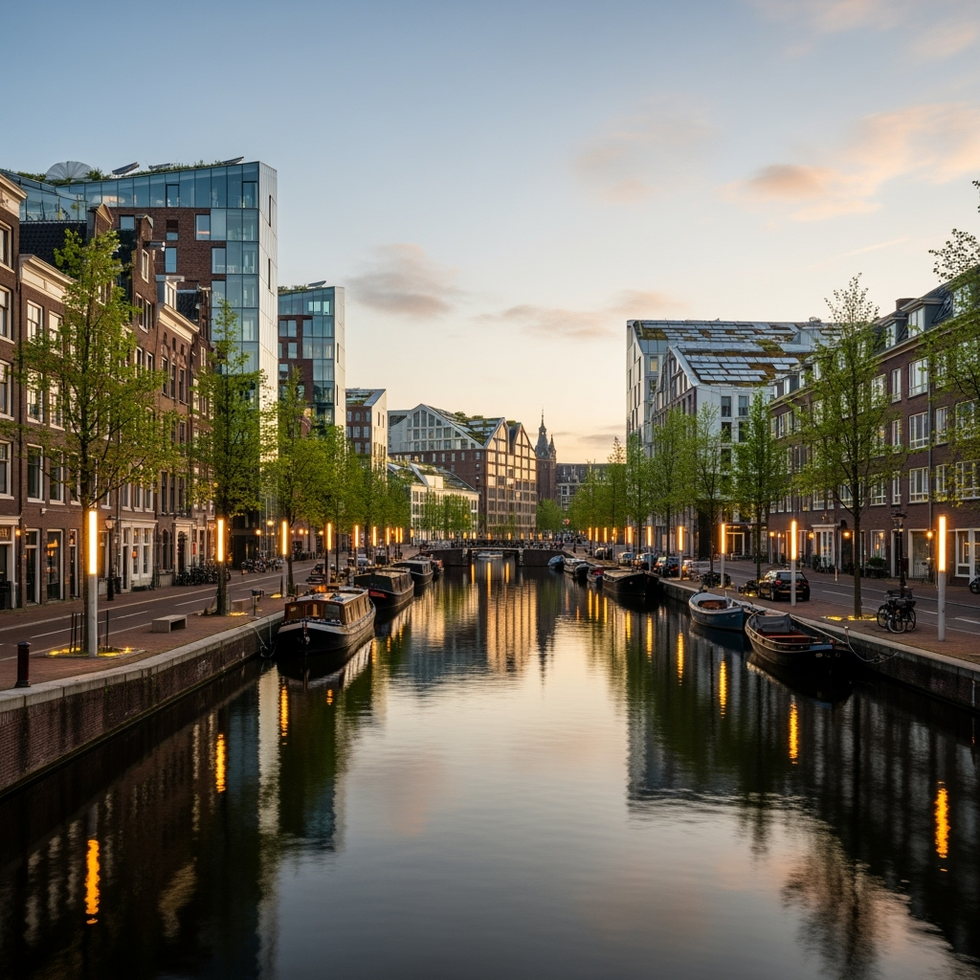
Community Engagement and Sustainable Development Driving the Project Forward
At the heart of this redevelopment initiative lies a profound commitment to community engagement. Local residents, business owners, environmental advocates, and city officials have been actively involved in shaping the future of the Anacostia corridor. Workshops, public forums, and collaborative planning sessions have ensured that stakeholder voices influence the project's direction from the outset. This participatory approach mirrors the community-centered urban design strategies employed in Amsterdam, where local feedback is integral to developing infrastructure that respects cultural heritage while embracing sustainability. The project emphasizes green solutions like permeable pavements, rain gardens, and restored natural habitats that work toward flood prevention, water quality improvement, and urban cooling. Additionally, initiatives such as bike lanes, pedestrian-friendly pathways, and green public spaces aim to connect neighborhoods and foster healthier, more active lifestyles. These elements reflect a broader trend of cities rediscovering the value of inclusive planning and community-driven development, which can lead to long-term resilience and social cohesion. The inclusion of local narratives and traditions in design also fosters a sense of ownership and pride among residents, ensuring that the revitalization effort isn’t just a physical transformation but a social one as well.
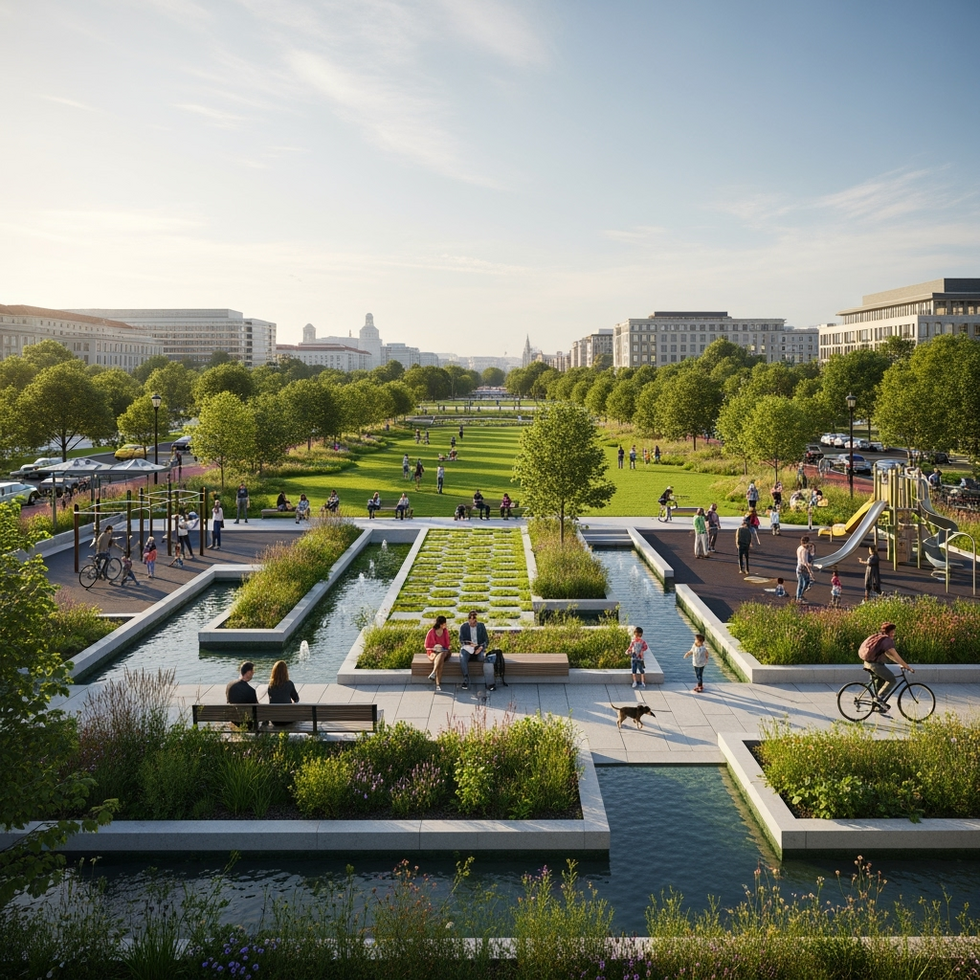
Bridging Cultural and Environmental Gaps With Innovative Urban Solutions
The project also emphasizes cultural and environmental bridging, drawing lessons from Amsterdam’s pioneering water management techniques and placemaking strategies. Dutch experts have been consulted to develop flood-resistant landscape designs and resilient urban water systems, reducing vulnerability to climate change and urban flooding. The collaboration aims to transfer Dutch expertise on sustainable water infrastructure, such as flood barriers and adaptive parklands, into the Washington context. Moreover, there is a focus on placemaking that celebrates DC’s rich history while introducing new waterfront experiences, art installations, and cultural programming that will uplift the local identity. Integrating art and design elements inspired by Amsterdam’s vibrant markets and canalways, the project hopes to create spaces that serve as both functional infrastructure and lively cultural venues. These innovations seek to connect communities across socioeconomic divides, fostering social cohesion through shared public spaces that tell stories of both local and international resilience. By embracing this multifaceted approach, the Anacostia redevelopment aims to be a model of how cities worldwide can adapt lessons learned in other parts of the globe while respecting their unique contexts and histories.